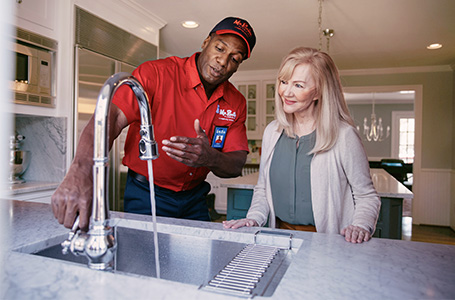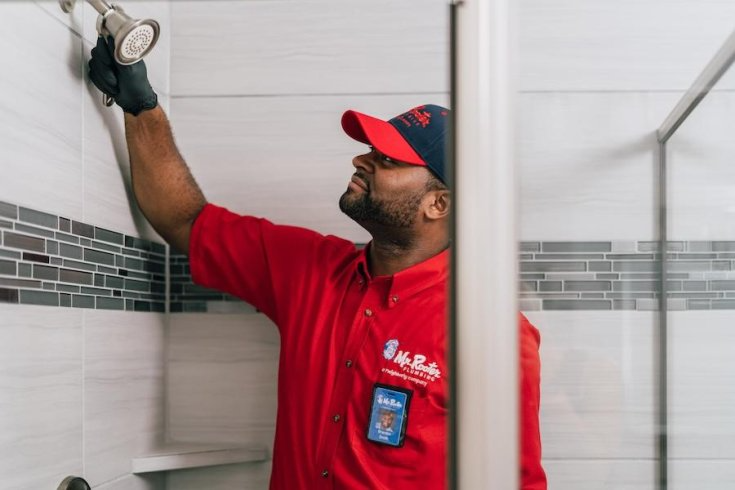
At Rooter Guard, we’ve seen it all—tiny leaks turning into soaked floors, clogged drains becoming full backups, and homeowners wishing they had acted sooner. The U.S. Environmental Protection Agency says household leaks waste nearly 1 trillion gallons of water every year in the U.S. That’s not just waste—it’s money and damage waiting to happen. Most people only look for a professional plumber in Los Angeles when something breaks. Honestly, that’s where things go wrong. Plumbing isn’t something you fix once—it’s something you stay ahead of.

What Are the Ways a Plumber Keeps Your Home Safe?
A plumber isn’t just someone who shows up when your sink is clogged. We’re more like the people who keep things from going wrong in the first place.
We check, fix, clean, and sometimes warn you about problems you didn’t even know existed. Good plumbing work is mostly invisible. And that’s the point—it should just work.
Why Plumbing Problems Keep Happening
Let’s be real. Most plumbing issues don’t come out of nowhere.
They usually happen because:
- People ignore small leaks
- Drains get abused (yes, grease is a big one)
- Maintenance gets skipped
- Quick DIY fixes don’t actually fix anything
What usually works? Staying consistent and fixing things early.
What fails? Waiting until something smells bad or stops working.
How We Actually Help (Not Just Talk About It)
At Rooter Guard, we don’t wait for disasters. That approach rarely ends well.
Instead, we:
- Check things before they break
- Fix small issues right away
- Use proper tools (not guesswork)
- Give honest advice, even if it’s not what you expected
Now, let’s break down the real ways a plumber keeps your home plumbing safe.
1. Regular Inspections Catch Problems Early
Do inspections really matter?
Yes. And honestly, most people skip them.
Here’s the thing—pipes don’t explode for no reason. There are always warning signs.
We look for:
- Tiny leaks
- Rust or weak spots
- Pressure issues
What works: A yearly check-up.
What fails: “It looks fine, so it must be fine.”
My take:
If you only call a plumber when something breaks, you’re already too late.
2. Leak Detection Saves You From Big Headaches
Are small leaks really a big deal?
Short answer: yes.
A slow leak doesn’t look scary, but over time it can:
- Damage walls
- Rot wood
- Increase your bill
We use tools to find leaks without tearing your house apart.
What works: Fixing leaks early.
What fails: Ignoring that small drip under the sink.
Simple way to think about it:
A leak is like a small crack in a dam. It doesn’t stay small.
3. Drain Cleaning Keeps Things Moving
Why do drains keep clogging?
Because people treat them like trash cans.
Grease, hair, soap—it all builds up slowly.
What works:
- Regular cleaning
- Being careful what goes down the drain
What fails:
- Pouring grease and hoping for the best
- Using harsh chemicals (they often damage pipes)
Honest opinion:
Chemical drain cleaners are overrated. They might clear a clog once, but they usually create bigger problems later.
4. Water Pressure Control Is More Important Than You Think
Isn’t strong water pressure a good thing?
Not always.
Too much pressure can:
- Stress your pipes
- Cause leaks
- Damage appliances
What works: Keeping it between 40–60 PSI
What fails: Ignoring pressure because “it feels fine.”
Easy example:
It’s like overfilling a tire. It works… until it doesn’t.
5. Pipe Maintenance Prevents Surprise Breaks
Why do pipes fail?
Time. Wear. Rust.
Older homes,s especially, have pipes that are just… tired.
What works:
- Checking pipe condition
- Replacing weak sections early
What fails:
- Waiting for a pipe to burst
Personal judgement:
Replacing a small section early always beats cleaning up after a flood—every single time.
6. Sewer Line Care Avoids the Worst Messes
What causes sewer problems?
Usually:
- Tree roots
- Grease buildup
- Blockages
And when it goes wrong, it’s bad.
What works:
- Regular checks
- Being careful about what you flush
What fails:
- Flushing wipes (even the “flushable” ones)
- Ignoring slow drains across the house
Real talk:
Sewer backups are one of the worst plumbing issues. Prevention is everything here.
7. Water Heater Maintenance Keeps Things Safe
Do people really forget about water heaters?
All the time.
Until there’s no hot water—or worse, a leak.
What works:
- Flushing the tank
- Checking parts regularly
What fails:
- Ignoring it for years
Simple truth:
Your water heater works hard every day. It needs attention, too.
Comparison Table: With vs Without a Plumber
| Situation | With a Plumber | Without One |
| Leak Issues | Found early | Found too late |
| Costs | Lower over time | Expensive fixes |
| System Life | Longer | Shorter |
| Stress Level | Low | High |
| Safety | Reliable | Risky |
Step-by-Step: What Actually Works at Home
Let’s keep it simple. This is what works in real life:
Step 1: Look for leaks
Check under sinks. Takes 2 minutes.
Step 2: Be careful with drains
No grease. No junk. Simple.
Step 3: Watch your water pressure
If it feels too strong, get it checked.
Step 4: Clean drains regularly
Don’t wait for a clog.
Step 5: Get a yearly inspection
This is the one most people skip—and regret.
Step 6: Fix small problems fast
They don’t stay small.
Step 7: Have a plumber you trust
Don’t wait to find one during an emergency.
Conclusion: The Simple Truth About Plumbing
Plumbing problems don’t usually happen overnight. They build up slowly, and most of the time, there are clear warning signs.
At Rooter Guard, we’ve learned one thing over the years—what works is staying consistent. What fails is waiting too long.
These Ways a Plumber Keeps Your Home safe aren’t complicated. They’re just things most people overlook until it’s too late.
If there’s one thing I’d say—don’t wait for a problem to force you into action. A little attention now saves a lot of stress later.
FAQs: Real Questions Homeowners Ask
1. Do I really need a plumber every year?
Yes, we recommend a yearly visit from a plumber. We often find small leaks or hidden issues early, before they turn costly. Regular checks keep your plumbing safe, save money, and prevent sudden problems.
2. What’s the most common plumbing mistake?
The most common plumbing mistake we see is pouring grease down the drain. It builds up inside pipes and causes clogs over time. We always suggest disposing of grease properly to avoid costly plumbing issues.
3. Are DIY fixes worth it?
DIY fixes can help with small issues, but we’ve seen they often don’t last. We recommend using them only for quick relief. For long-term results, a professional plumber ensures the problem is fixed correctly.
4. How do I know something’s wrong?
We usually tell homeowners to watch for small signs like slow drains, higher water bills, bad smells, or strange pipe noises. These are early warnings that something’s wrong and needs quick attention.
5. What should I never flush?
Never flush wipes, grease, paper towels, or hygiene products. We often see these cause major clogs and sewer issues. Stick to toilet paper only to keep your plumbing safe and avoid costly repairs.