Rooter Guard sees the same problem again and again: homeowners wait until something bursts before calling for help. The truth is, small leaks can waste huge amounts of water. The U.S. Environmental Protection Agency says the average home loses about 10,000 gallons a year from leaks alone. That is not a small number. It is a sign that plumbing problems often hide in plain sight. If your drains are slow or your water bill keeps creeping up, it may be time to call a professional plumber—or reach out to a reliable, trusted plumber in Downey before a small issue turns into a big mess.
What Does a Professional Plumber Really Do?
Most people think plumbers only show up when something breaks. That is part of the job, but not the whole story.
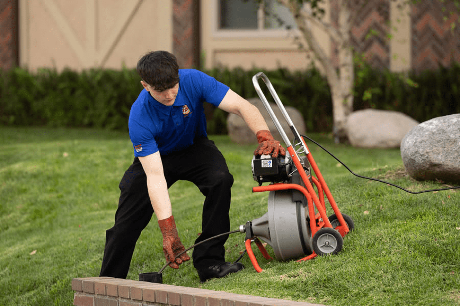
A professional plumber installs pipes, fixes leaks, clears drains, replaces water heaters, and checks systems before they fail. Think of them like mechanics for your home’s water system. You may not see the pipes, but they are working all day, every day.
When the system runs well, you forget it exists. When it fails, it becomes the only thing you can think about.
The Real Problem Most Homeowners Face
Here is what usually happens. A faucet drips. A drain runs slowly. The toilet makes a weird noise. You ignore it because it still works.
Weeks pass. Then months.
Suddenly:
- The cabinet under the sink smells musty
- The floor feels soft
- The water bill jumps
- A pipe bursts at the worst possible time
What usually works is early action.
What often fails is the “I’ll deal with it later” approach.
In my opinion, ignoring plumbing issues is one of the most expensive habits a homeowner can have. Small fixes are cheap. Big water damage is not.
How We Help Prevent Those Problems
At Rooter Guard, we focus on prevention just as much as repairs. Most homes do not need a huge plumbing overhaul. They need regular checks and honest advice.
Sometimes the fix is simple. A valve replacement. A small pipe section. A drain cleaning. Those small jobs often prevent the big disasters people fear.
8 Ways a Professional Plumber Protects Your Home
1. Finds Hidden Leaks Early
Why are hidden leaks so dangerous?
Because you cannot see them.
Water behind a wall or under the floor slowly destroys wood, drywall, and insulation. By the time you notice stains or smells, the damage is already done.
What usually works:
- Leak detection tools
- Pressure testing
- Quick repairs
What often fails:
- Ignoring small water bill increases
- Hoping the stain will “dry out.”
A professional plumber catches the problem early and saves you from major repairs.
2. Keeps Drains From Turning Into Nightmares
Why do drains clog so easily?
Because people treat them like trash cans.
Grease, hair, soap, and food all build up inside the pipe. Over time, the pipe narrows until water barely moves.
It is like trying to drink a milkshake through a coffee stirrer.
What usually works:
- Regular drain cleaning
- Using strainers
- Keeping grease out of sinks
What often fails:
- Chemical drain cleaners
- Pouring boiling water and hoping for the best
Chemical cleaners can damage pipes. They are a quick fix, not a smart one.
3. Prevents Expensive Water Damage
How bad can a small leak get?
Worse than most people expect.
Water spreads fast. It soaks into floors, cabinets, and walls. Within a day or two, mold can start growing. The Centers for Disease Control and Prevention warns that mold can trigger allergies and breathing issues.
What usually works:
- Early leak repairs
- Routine inspections
What often fails:
- Waiting until water is visible
- Covering stains with paint
Paint does not fix leaks. It just hides them for a while.
4. Keeps the Water Heater Running Longer
Why do water heaters fail early?
Sediment. That gritty buildup at the bottom of the tank.
It makes the heater work harder and wear out faster.
What usually works:
- Flushing the tank once a year
- Checking valves and connections
What often fails:
- Never servicing the heater
- Waiting until there is no hot water at all
A maintained heater can last 10–15 years. An ignored one might quit in 7 or 8.
5. Stops Sewer Backups Before They Reach the House
What causes sewer backups?
Usually one of these:
- Tree roots in the pipe
- Grease buildup
- Broken sewer lines
- Flushed items that should never be flushed
What usually works:
- Camera inspections
- Hydro jetting
- Timely repairs
What often fails:
- Using chemical cleaners
- Ignoring slow drains in multiple fixtures
If more than one drain is slow, it is often a sewer issue, not just a clog.
6. Fixes Low Water Pressure
Why does water pressure drop?
Because something is blocking the flow.
It could be:
- Mineral buildup
- Pipe corrosion
- A hidden leak
What usually works:
- Proper diagnosis
- Cleaning or replacing parts
What often fails:
- Replacing fixtures without fixing the real issue
Many people change the showerhead when the problem is actually in the pipes.
7. Replaces Old, Unsafe Pipes
When should pipes be replaced?
If they are:
- Rusty
- Leaking often
- Made of outdated materials
Older homes sometimes have pipes that were fine decades ago but are now risky.
What usually works:
- Replacing problem sections
- Using modern materials like PEX
What often fails:
- Repeated patch jobs
- Ignoring corrosion
In my view, constant pipe repairs are a sign that it is time to replace, not just patch.
8. Provides Preventive Maintenance
Is plumbing maintenance really necessary?
Yes. And it is usually cheaper than emergency repairs.
A maintenance visit may include:
- Leak checks
- Drain cleaning
- Pressure testing
- Water heater inspection
What usually works:
- Yearly inspections
- Fixing small issues early
What often fails:
- Only calling when something breaks
It is like skipping oil changes in a car. You might save money today, but you pay more later.
Professional Plumber vs. DIY Fixes
| Task | DIY Result | Professional Result |
| Leak repair | Temporary patch | Long-term solution |
| Drain clog | Chemical quick fix | Full cleaning and inspection |
| Water heater issue | Guesswork | Accurate diagnosis |
| Pipe replacement | Risky installation | Code-compliant work |
| Long-term outcome | Repeat problems | Lasting results |
DIY is fine for small things. But major plumbing work usually needs a professional.
What Happens During a Plumbing Visit
- The plumber checks the system.
- They find the real problem.
- They explain it in plain terms.
- The repair or maintenance is done.
- Everything is tested before they leave.
No guesswork. No surprises.
Signs You Should Call a Professional Plumber
- Water bill suddenly increases
- Drains are slow in multiple areas
- Pipes make banging noises
- Water stains appear
- You smell something musty
These are early warnings. Ignoring them rarely ends well.
Conclusion
A professional plumber does more than fix what is broken. They stop problems before they start. They save you money, stress, and sometimes your flooring.
What usually works is simple: regular checks, small repairs, and honest advice.
What often fails is waiting too long and hoping the problem fixes itself.
If there is one thing I have seen again and again, it is this: plumbing problems do not get better with time. They only get more expensive.
Calling a professional early is almost always the smarter move.
Frequently Asked Questions
How often should I schedule plumbing maintenance?
We recommend scheduling plumbing maintenance at least once a year to catch leaks, clogs, and other issues early. Regular checkups by a professional plumber keep your home safe and water systems efficient.
Are DIY plumbing fixes safe?
DIY plumbing fixes can handle small tasks, but most issues need a professional plumber. Attempting big repairs yourself often causes more damage and higher repair costs later.
What is the most common plumbing issue?
The most common plumbing issues we see are clogged drains and leaking faucets. Regular inspections by a professional plumber prevent damage, save water, and keep your home running smoothly.
How long do pipes last?
Pipes last differently depending on material: copper up to 50+ years, PEX 40–50 years, galvanized steel 20–50 years. Regular maintenance by a professional plumber extends the life.
When should I replace my water heater?
You should replace your water heater if it’s 8–12 years old, leaking, or showing signs of rust or inconsistent heating. A professional plumber ensures a safe, efficient replacement for your home.