If you’re dealing with slow drains, foul odors, or wet spots in your yard, you may be searching for professional sewer repair in La Canada Flintridge and wondering exactly what the repair process involves. The good news is that modern sewer repair is faster, cleaner, and less disruptive than most homeowners expect. In most cases, a plumber will inspect the line with a camera, diagnose the problem, choose between trenchless or traditional repair methods, and complete the fix in a single visit or over a few days for larger jobs.
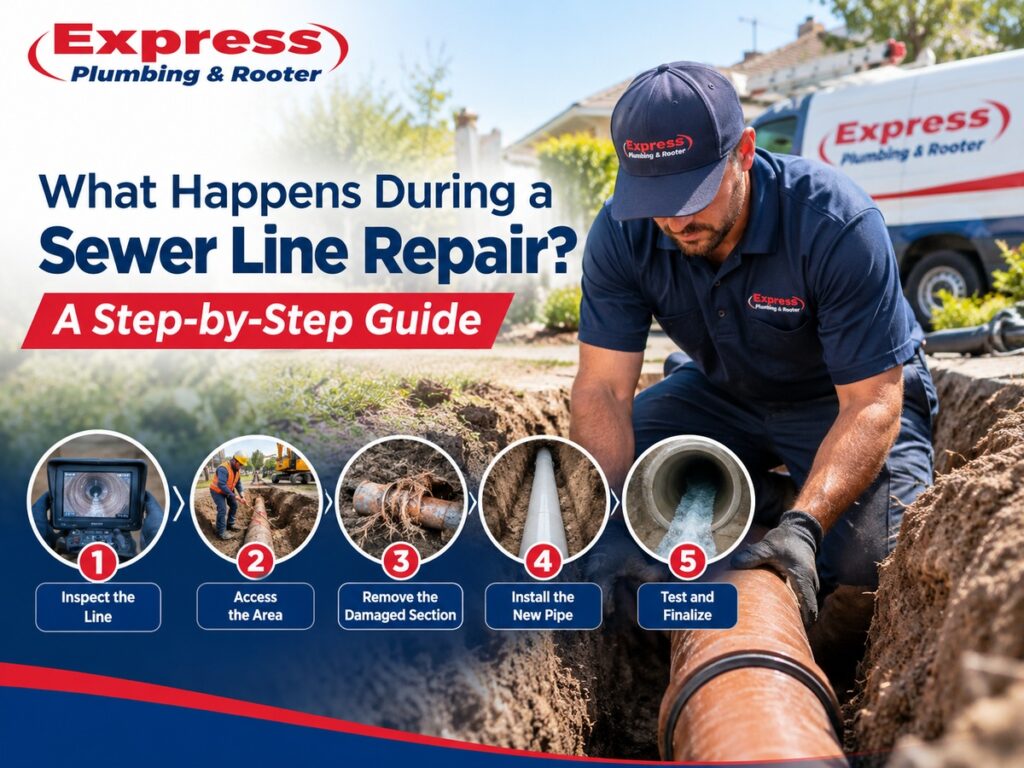
This guide walks you through each step of the sewer line repair process, from the first signs of trouble to the final cleanup, so you know exactly what to expect before a technician ever shows up at your door.
Signs You May Need Sewer Pipe Repair
Before getting into the repair process itself, it helps to recognize the warning signs. Common indicators include:
- Slow or gurgling drains throughout the house
- Sewage odors near drains, the yard, or the cleanout
- Multiple clogged fixtures at the same time
- Soggy patches or unusually green grass in the yard
- Water backing up into tubs or showers when you run the washing machine
If you’re noticing more than one of these symptoms, it’s worth scheduling a professional inspection rather than waiting for the problem to worsen. Sewer issues rarely fix themselves, and small cracks or blockages tend to grow into bigger, more expensive problems over time.
Step 1: Initial Inspection and Diagnosis
Every proper sewer repair starts with an accurate diagnosis. A plumber will typically insert a waterproof camera into the sewer line through a cleanout or access point. This camera feeds a live video image back to a monitor, allowing the technician to see the exact condition of the pipe.
During this stage, the plumber is looking for:
- Cracks, breaks, or collapsed sections of pipe
- Root intrusion
- Pipe misalignment or bellies (low spots where waste collects)
- Corrosion, especially in older cast iron or clay pipes
- Blockages caused by grease, debris, or foreign objects
This step matters because it prevents guesswork. Instead of digging up your entire yard to “find” the problem, the camera pinpoints the exact location and cause of the issue, which saves time and keeps repair costs more predictable.
Step 2: Choosing the Right Sewer Repair Method
Once the diagnosis is complete, the plumber will recommend one of several sewer repair methods based on the pipe’s condition, material, depth, and location. There isn’t a one-size-fits-all approach here, since a hairline crack and a fully collapsed pipe require very different solutions.
Homeowners in the area often benefit from companies that use trenchless technology, which repairs or replaces the pipe with minimal digging. This approach is especially useful for properties with mature landscaping, driveways, or hardscaping above the sewer line, since it avoids tearing up the yard.
The main repair methods include:
Trenchless Pipe Lining (Cured-in-Place Pipe)
A resin-coated liner is inserted into the damaged pipe and inflated, forming a smooth, durable pipe within the old one once it cures. This method works well for cracks, minor corrosion, and small root intrusions, and typically requires only one or two small access points rather than a long trench.
Pipe Bursting
For pipes that are too damaged for lining, pipe bursting involves pulling a new pipe through the old one while simultaneously breaking apart the damaged pipe. This is a form of trenchless sewer line replacement that avoids digging a full trench along the pipe’s path.
Traditional Trench Repair
In some cases, especially with severe collapses, extensive damage, or pipes that are difficult to access, traditional excavation is still the most reliable option. This involves digging down to the pipe, removing the damaged section, and installing new pipe before backfilling the trench.
Your plumber should explain which method fits your specific situation and why, rather than defaulting to the most invasive option.
Step 3: Clearing the Line Before Repair
Before any structural repair work begins, the line usually needs to be cleared of debris, roots, or buildup. This step ensures the repair method can be applied correctly and gives the plumber a clean view of the pipe’s interior.
Two common clearing methods are hydro jetting and mechanical snaking. If you’re unsure which one applies to your situation, this comparison of sewer line cleaning methods compared breaks down the differences, including when each method is appropriate and how they affect the pipe long-term.
Step 4: Performing the Repair
With the diagnosis complete and the line cleared, the actual repair work begins. Depending on the method selected in Step 2, this stage may look very different from job to job:
- Trenchless lining: The liner is inserted, inflated, and left to cure, typically within a few hours.
- Pipe bursting: A new pipe is pulled through the old pipe’s path using specialized equipment.
- Traditional repair: The damaged section is excavated, removed, and replaced with new pipe material.
Throughout this stage, plumbers take care to protect surrounding structures, landscaping, and utilities. Access points are kept as small as possible whenever trenchless methods are used, which helps reduce cleanup time afterward.
Step 5: Testing and Final Inspection
Once the repair is complete, the work isn’t considered finished until it’s tested. This usually involves:
- Running water through the system to check for leaks or backups
- A follow-up camera inspection to confirm the repair is intact and properly sealed
- Checking that water flows at the correct rate and grade through the repaired section
This final verification step gives homeowners confidence that the sewer line repair process actually solved the underlying problem, rather than just masking the symptoms temporarily.
Step 6: Cleanup and Restoration
The last step is restoring the work area. For trenchless repairs, this often means simply patching a small access hole. For traditional trench repairs, it involves backfilling the trench, compacting the soil, and restoring any landscaping, pavement, or hardscaping that was disturbed during the dig.
A reputable plumbing company will leave the property in a condition similar to how it looked before the repair began, aside from the sewer issue itself being resolved.
How Long Does Sewer Line Repair Take?
Timelines vary based on the sewer repair method used and the extent of the damage. Trenchless repairs, such as pipe lining, can often be completed in a single day. Pipe bursting may take one to two days depending on the length of the line. Traditional trench repairs can take longer, particularly if the damaged section is long or difficult to access. Your plumber should give you a realistic timeline after the initial inspection.
Final Thoughts
Understanding the sewer line repair process can make a stressful situation feel much more manageable. From the initial camera inspection to choosing between trenchless and traditional methods, clearing the line, performing the repair, and finishing with testing and cleanup, each step is designed to fix the problem at its source and prevent it from coming back.
If you’re noticing signs of a sewer issue at your property, don’t wait for it to get worse. Express Plumbing and Rooter is ready to inspect your sewer line, walk you through your repair options, and get the job done efficiently. Contact Express Plumbing and Rooter today to schedule an inspection or request a quote for your sewer repair needs.
Frequently Asked Questions
1. How do I know if I need sewer line repair?
Common signs include slow drains, sewage odors, gurgling pipes, and soggy spots in the yard. A camera inspection can confirm the cause.
2. Is trenchless sewer repair better than traditional repair?
Trenchless methods are often less disruptive and faster, but the best option depends on the pipe’s condition, material, and location.
3. How long does a sewer line repair take?
Trenchless repairs may take a single day, while traditional trench repairs can take longer depending on the damage.
4. Will my yard be damaged during sewer repair?
Trenchless methods typically require only small access points, while traditional repairs involve digging a trench that is restored afterward.
5. Can tree roots damage my sewer line?
Yes, root intrusion is one of the most common causes of sewer line damage and blockages, especially in older pipes.