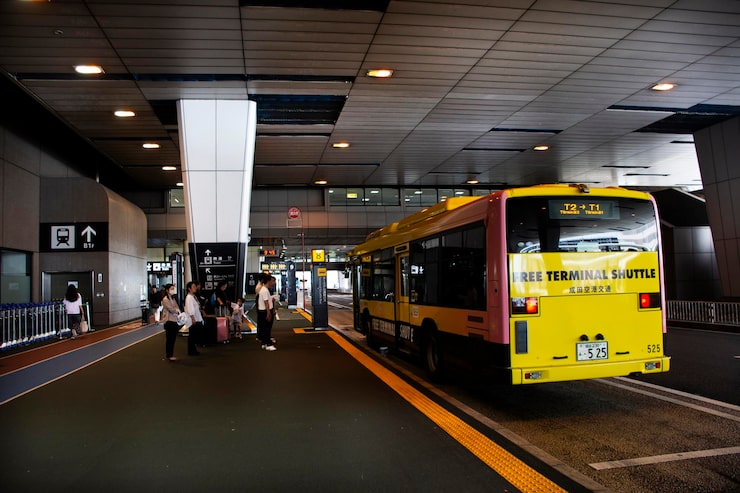
We arrive where the city breathes in neon and exhales tradition. Tokyo hums — Kyoto remembers. Between them are mountains of snow and valleys of silence. This is Japan — a country where tomorrow walks hand in hand with a thousand-year past.
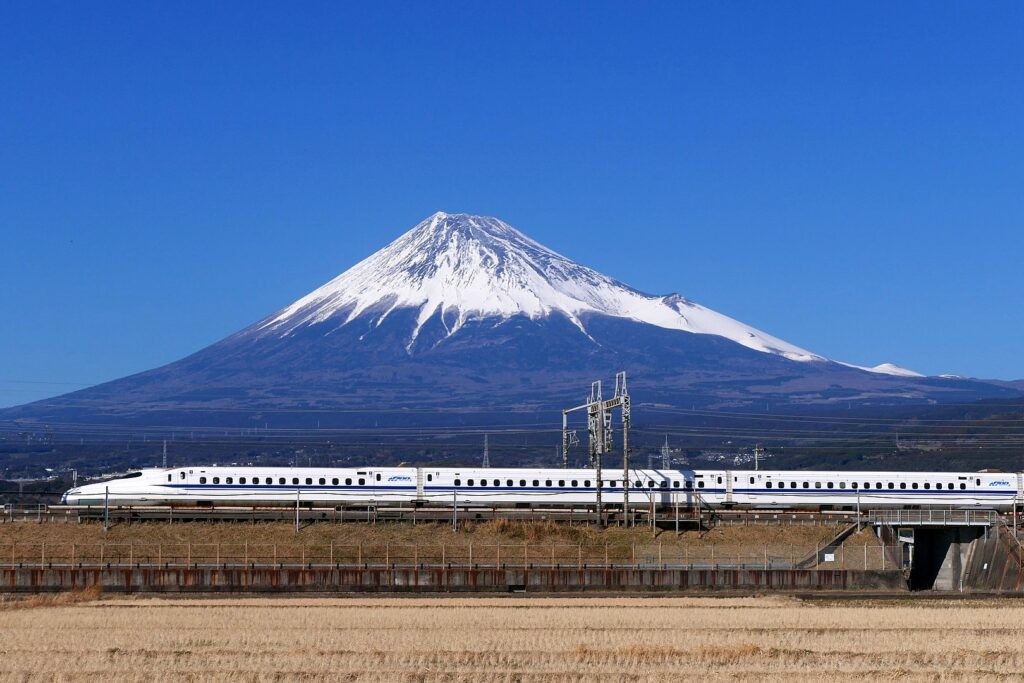
Japan’s main travel arc often runs Tokyo → Kyoto → a mountain/ski region. Tokyo is modern, dense, and endlessly varied; Kyoto is concentrated historic culture and temples; the ski regions provide nature and seasonal adventure. Time allocation depends on the purpose: a culture-first trip can spend most days in Kyoto and Ōhara, while an active trip will include multi-day ski stays.
Tokyo: A blueprint for scenes and practicals
Narrative moments to film / visit
Shibuya Crossing at twilight: wide aerials and ground-level pedestrians.
Meiji Shrine & Harajuku: juxtapose a sacred forested shrine approach with colorful youth fashion on Takeshita Street.
Asakusa & Senso‑ji: classic temple-front market scenes, rickshaw shots, and stalls selling ningyo-yaki.
Tsukiji outer market or Toyosu: show culinary life with close-ups of sashimi, tuna auction atmosphere, and vendors.
Akihabara night neon: gamer arcades and gadget-packed storefronts.
Practical tips
Use the JR Yamanote Line as a backbone to move between key districts. (It loops central Tokyo.)
Suica or Pasmo rechargeable IC cards are indispensable for trains, buses, and even convenience stores.
Best neighborhoods to stay: Shinjuku (transport hub), Shibuya (energy), Asakusa (traditional vibe), or Ginza (upscale).
Kyoto — overview
Kyoto rewards slow travel: temples, shrines, tea houses, and seasonal displays of cherry blossoms or autumn foliage. The city is compact enough that a focused program of 3–5 days will let you see major sites, plus one rural outing such as Ōhara.
Filming / storytelling beats
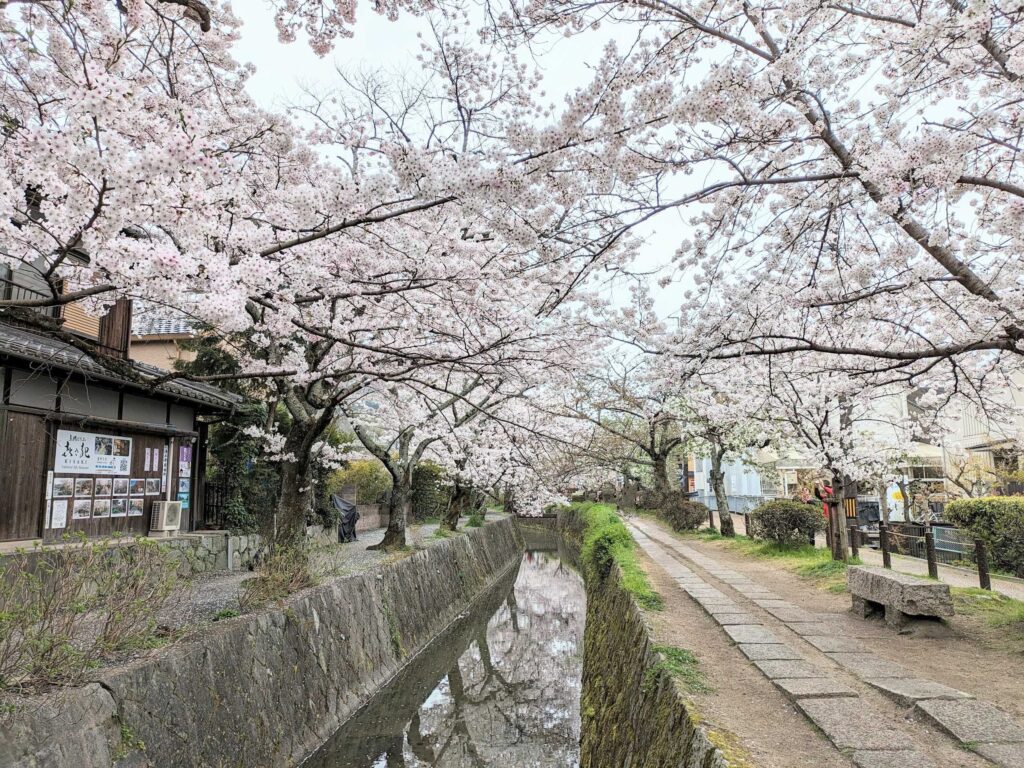
Philosopher’s Path (Tetsugaku no michi): especially during cherry blossom season for slow-paced, contemplative sequences.
Gion at dusk: narrow streets, lanterns, and the possibility of geisha sighting (respectful, non-intrusive filming required).
Ginkaku‑ji (The Silver Pavilion) — Narrative + visitor guide
Why it matters
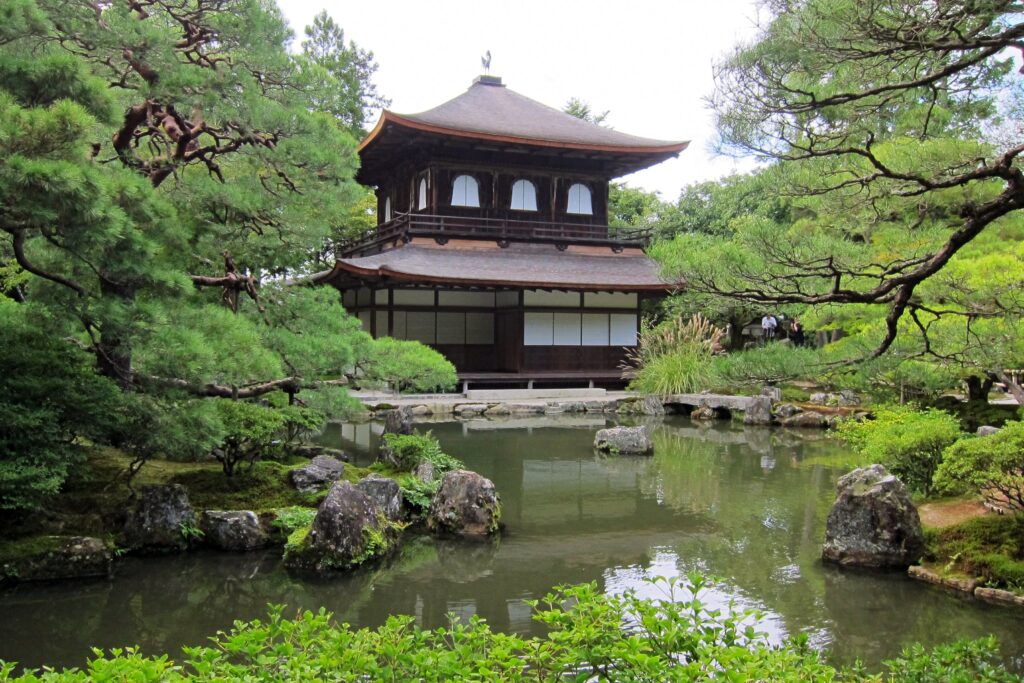
Ginkaku‑ji | 銀閣寺; is less flashy than Kinkaku‑ji (the Golden Pavilion | 臨済宗相国寺派), but it is essential for understanding Japanese aesthetics like wabi‑sabi (beauty of imperfection) and Higashiyama cultural ideals.
Historical snapshot
Originally the retirement villa of the 15th‑century shogun Ashikaga Yoshimasa. After his death it became a Zen temple and representative of Higashiyama culture.
What to film / look for
The pavilion framed by moss gardens and pine trees.
The Sea of Silver Sand (a raked dry-sand garden) and the mountain gardens behind the temple.
Close-ups: textured wood, tiles, moss, weathered stone lanterns.
Visiting details & tips
Arrive early (before late morning) to catch softer light and fewer tour groups.
Combine a walk to the Philosopher’s Path if visiting in spring.
Ōhara & Sanzen‑in — rural Kyoto calm

Why it matters
Ōhara is a short trip from Kyoto and offers moss gardens, quiet temple grounds, and a palpable contrast to bustling central Kyoto. Sanzen‑in is the anchor temple here: age-old halls, moss gardens, and an unhurried atmosphere.
Storytelling beats
Wide shots of Ōhara’s village lanes, small shops, and mountain-backed temple approaches.
Seasonal focus: the temple gardens are especially photogenic in autumn colors and rainy-season moss.
Visiting tips
Ōhara is typically a 45–75 minute bus ride from central Kyoto depending on traffic; allow a half-day to a full day.
Bring cash for small shops and modest shrine/temple donations.
Skiing in Japan — travel guide + visual ideas
Why Japan’s snow is special
Japan is famous for its dry, light powder snow. The result: famously excellent conditions for powder skiing and boarding — especially in places like Niseko (Hokkaido) and Hakuba (Nagano), among others.
Key destinations & vibes
Niseko (Hokkaido): Internationally known for deep powder, long season, and a vibrant resort town. Great for powder-seekers and foreign-language services.
Hakuba (Nagano): Mountain-ringed valley with a range of terrain; close to Tokyo and easily combined with Kyoto via a domestic transfer.
Nozawa Onsen & Myōkō: Cultural onsen towns with skiing and strong local character.
Season & timing
Typical ski season runs from early December to March/April, with January–February often delivering the most consistent deep powder.
Practical tips
Book accommodations early (peak winter months get busy). Many resorts also offer onsen (hot-spring) experiences — perfect aprés-ski scenes.
Transport: Hakuba is accessible by shinkansen/bus from Tokyo; Niseko is most convenient via Sapporo (New Chitose Airport) then rail/bus transfer.
Japan itineraries
7‑Day — Fast cultural + snow sampler
Day 1–2: Tokyo — Arrival, Shibuya, Asakusa, Meiji Shrine.
Day 3–4: Kyoto — Arrive by shinkansen, Ginkaku‑ji & Philosopher’s Path, Gion.
Day 5: Ōhara — Morning at Sanzen‑in, afternoon travel to Nagano/Hakuba.
Day 6–7: Hakuba — Skiing, onsen, depart via Tokyo.
14‑Day — In-depth slow travel + powder
Day 1–4: Tokyo — deep exploration, food, and markets.
Day 5–9: Kyoto base — Ginkaku‑ji, Kiyomizu‑dera, Fushimi Inari, Arashiyama, day trip to Ōhara.
Day 10–13: Ski Region (choose Niseko or Hakuba) — multiple ski days + cultural onsen town visits.
Day 14: Return to Tokyo or connect to international departure.
Cultural etiquette & filming guidance
Always be respectful at shrines and temples: no loud voices in sacred precincts; observe ritual actions if participating (bowing, cleansing at temizuya).
Film subtly in temple precincts and private gardens — always ask permission where signs indicate restrictions or when photographing people closely.
Dress modestly for temple visits; remove shoes when entering buildings that request it.
For broader Asia travel perspectives and seasonal insights including Japan’s cherry blossom seasons and regional tips, see Voyagefox’s Asia travel overview.