Electrical fires can break out without warning, and many start from small problems that people don’t notice in time. Old wiring, loose connections, overloaded outlets, or damaged breakers can turn into big risks. Calling a trained electrician in Englewood helps stop these dangers before they have a chance to spread. With the amount of electronics, appliances, and lighting used in homes today, fire risks are higher than many people think.
A skilled contractor looks at the heart of your electrical system and spots trouble early. They know what to check, what to repair, and what to replace. When you work with an experienced electrician in Englewood, you get peace of mind and a safer home for your family.
Checking Wiring Conditions Before Problems Build Up
One of the most important steps in preventing electrical fires is checking the wiring inside your home. Many older houses still have wiring that has worn out or can no longer handle modern power needs. Even newer homes can develop loose connections over time due to heat, movement, or poor installation.
A contractor checks the condition of these wires before they turn dangerous. They know what cracking, discoloration, or fraying looks like, and they know which spots are more likely to fail first.
Key points in wiring checks:
- Spotting damaged insulation
Wires with cracked or brittle insulation let heat escape and spark against nearby surfaces. Contractors replace worn wires before the heat turns into flames. - Checking for loose or weak connections
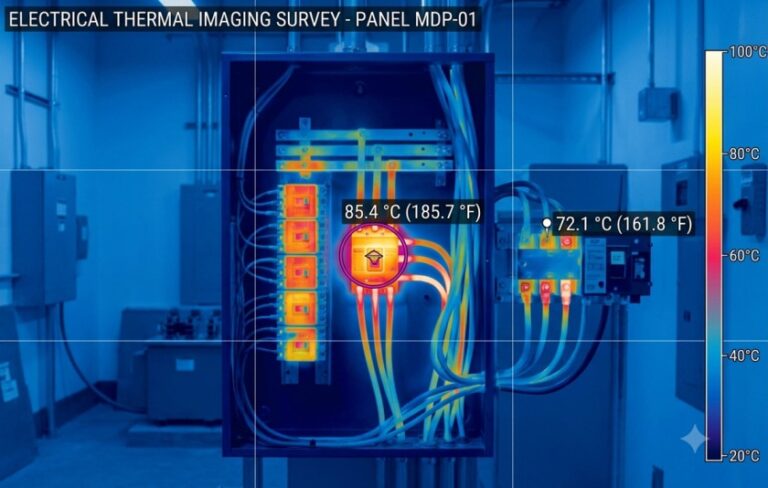
Loose connections create heat pockets that grow with time. A contractor tightens or replaces these points so they do not become a fire source. - Testing for overloaded circuits
Too many devices on one circuit can make wiring work harder than it should. A contractor tests load levels and suggests safer ways to spread power use. - Finding hidden wiring issues
Wires behind walls or above ceilings can still break down. A contractor uses tools to detect heat or weak spots without cutting open everything.
Upgrading Old Breaker Panels to Handle Today’s Power Needs
Breaker panels are built to protect the home from overloads, but older panels often don’t have the capacity or design needed for today’s appliances. A weak or outdated panel may fail to trip during overloads, letting wires heat until they spark.
Contractors understand which panels are safe and which ones can cause problems. They inspect the panel for signs of wear, outdated breakers, or unsafe fuse systems, then recommend an upgrade if needed.
Why panel upgrades prevent fires:
- Stops breaker failures
Breakers that stick, trip late, or never trip at all are dangerous. Electrical Contractors replace these weak breakers before they cause fires. - Supports more appliances
Modern homes have high-power devices—AC units, ovens, heaters, chargers, and more. A stronger panel keeps everything running without overheating. - Reduces heat buildup
Old panels often do not spread electrical load evenly. Upgrades fix that issue and keep heat from building inside the box. - Improves whole-home safety
A panel upgrade brings the home up to modern standards so every circuit works safely.
Inspecting Outlets, Switches, and Power Points
Outlets and switches are used every day, but most people don’t notice signs of damage until smoke or sparks appear. Loose plugs, cracked plates, and burned areas are warning signs contractors take seriously.
Contractors check every outlet and switch in the home to confirm safe wiring, strong connections, and clean power flow. This step helps stop fire risks before they grow.
What contractors look for:
- Burn marks or discoloration
These marks show heat or small sparks. Contractors replace the outlet before a fire starts. - Loose or wobbly outlets
Loose outlets move the wires inside, and heat builds up. A contractor fixes or replaces them for a solid connection. - Overloaded power strips
Too many devices in one strip can cause overheating. Contractors suggest better power distribution or new circuits. - Two-prong unsafe outlets
Older homes may still have ungrounded outlets. Upgrading to grounded outlets protects against shocks and sparks.
Installing GFCI and AFCI Protection for Extra Safety
GFCI and AFCI devices protect the home from power leaks and electrical arcs. They react faster than standard breakers and help stop electrical fires long before they start. Many homeowners forget about these devices or don’t have enough of them installed.
Contractors know where these protective devices should go and update the home to meet safe standards.
Why these devices matter:
- Stops arcs before ignition
AFCIs detect tiny arcs that happen behind walls. These arcs are a major cause of electrical fires. - Protects wet areas
GFCIs shut off power quickly when water and electricity mix. They prevent shocks and reduce fire risk. - Offers faster response than breakers
These devices react in fractions of a second, cutting off power before damage spreads. - Modern safety requirement
Today’s electrical codes call for these devices in more areas of the home than ever.
Fixing Overloaded Power Use and Unsafe Habits
A major cause of electrical fires is simple overload—too many devices pulling power from the same circuit. Homeowners often plug in heaters, chargers, or appliances without thinking about the load on the wires.
Contractors help find these overload points and guide the homeowner on safer ways to use power. They help shift devices, add new outlets, or install new circuits where needed.
Common overload solutions:
- Adding new circuits
New circuits split power use so no wire or breaker gets too much load. - Replacing unsafe cords
Damaged extension cords or old power strips can spark. Contractors spot and remove them instantly. - Suggesting safe power habits
Keeping appliances on separate circuits or unplugging unused devices makes the home safer. - Balancing heavy appliances
Items like heaters, microwaves, or AC units need proper circuits. Contractors help position them safely.
Conclusion
Electrical contractors play a major role in keeping homes safe from fires. They inspect wiring, upgrade panels, check outlets, add safety devices, and help people use power safely. With the right help, homeowners avoid problems that could destroy property or put lives at risk. When you work with Mr. Electric of Littleton, you get steady support from people who know how to keep a home safe and powered with care.
FAQs
1. What are the early signs of electrical fire hazards?
Flickering lights, burning smells, hot outlets, and tripping breakers are common warning signs. These issues should be checked quickly before they grow dangerous.
2. How often should I have my home’s wiring inspected?
Most homes should be inspected every 3–5 years, especially if the house is older or if you use a lot of high-power appliances.
3. Are outdated breaker panels dangerous?
Yes. Old or weak panels may not trip during overloads. This can cause wiring to overheat and spark.
4. Do I need GFCI outlets in every room?
Not every room, but wet and high-risk areas like kitchens, bathrooms, garages, and outdoor spaces should have GFCI outlets.
5. Can overloaded extension cords cause fires?
Yes. Extension cords can overheat if they carry too much load. It’s safer to use a proper outlet or add a new circuit.
6. When should I call an electrical contractor?
Call when you notice burned outlets, odd smells, tripping breakers, or if your home is older and has never been inspected.