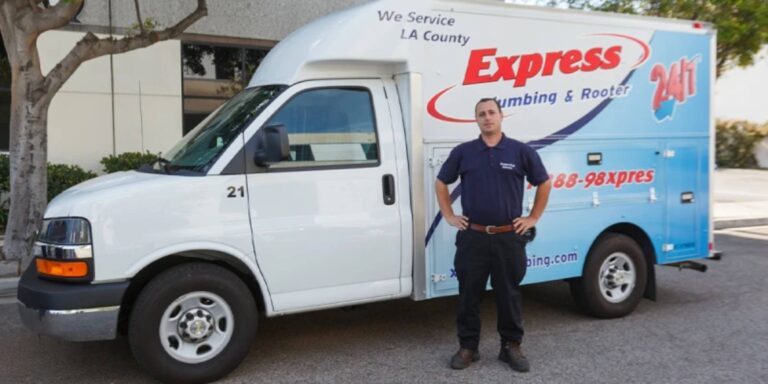
Sewer lines work quietly behind the scenes, but when something goes wrong, the signs show up fast. Many homeowners who search for sewer repair in West Hollywood are often dealing with slow drains, recurring backups, or strange odors inside the home. Understanding what causes sewer line damage makes it easier to act early, avoid property issues, and choose the right solution before a minor issue becomes a costly repair.
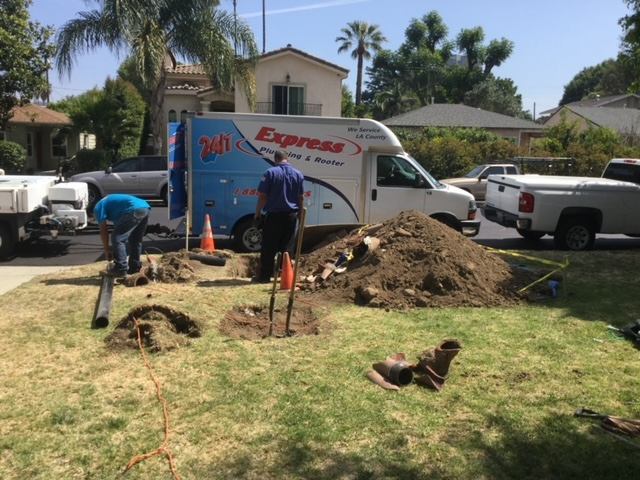
Why Sewer Lines Fail: The Core Reasons Behind the Damage
Sewer pipes are built to last, but environmental pressures, aging materials, and everyday use eventually take a toll. These factors are the most common reasons sewer lines start to fail.
1. Tree Root Intrusion
Tree roots naturally grow toward moisture, and sewer pipes provide a steady supply. When small cracks appear in the line, roots slip inside and expand.
Why it matters:
- Roots block water flow
- They break pipe joints
- They cause full pipe collapse in severe cases
Studies show tree root intrusion accounts for nearly 50% of sewer line damage in older neighborhoods.
2. Aging or Weak Pipe Materials
Homes built before the 1980s often have clay, cast iron, or Orangeburg pipes. These materials break down over time.
Typical lifespan of sewer pipes:
- PVC: 70–100 years
- Cast Iron: 50–75 years
- Clay: 50–60 years
- Orangeburg: 30–50 years
When aging pipes weaken, small cracks and leaks begin to form, eventually leading to a full line failure.
3. Soil Shifting and Ground Movement
Earthquakes, heavy rain, and soil settlement around the property can shift sewer lines.
This movement often:
- Loosens pipe joints
- Causes pipe misalignment
- Leads to sagging sections called “bellies”
A sewer belly collects wastewater, causing slow drains and repeated clogs.
4. Grease, Debris, and Foreign Objects
Grease buildup is one of the most common indoor contributors to sewer blockages. When grease cools, it hardens inside the line. Paper towels, wipes, hygiene products, and small debris cause additional buildup.
Direct answer:
If toilets frequently clog and multiple drains slow down at the same time, a blockage inside the main sewer line is likely the cause.
How to Know When Sewer Repair Is Needed
Recognizing the warning signs early can prevent severe property damage. Sewer line issues usually build up slowly, but symptoms become clearer over time.
Common Early Signs
- Slow-draining tubs, sinks, and showers
- Gurgling sounds from toilets
- Water rising into other drains
- Bad odors around indoor drains
- Mold growth near floors or walls
Advanced Warning Signs
- Sewage backup inside bathrooms
- Wet patches or sinkholes in the yard
- Unusual green or healthy-looking grass over the sewer path
- Rodent or insect increase due to pipe openings
Quick answer:
A sewer line inspection is needed when multiple fixtures back up at the same time.
How Sewer Line Problems Are Diagnosed
A modern sewer repair process begins with a video camera inspection. This tool helps identify the exact issue without guesswork or digging.
Why Video Inspection Is Essential
- Shows real-time footage of the pipe interior
- Pinpoints cracks, roots, and buildup
- Reduces misdiagnosis
- Helps plan accurate and minimally invasive repair
This step is important for homeowners and valuable for improving commercial sewer repairs with video inspection, especially in large buildings where access is limited.
Repair Options: From Simple Fixes to Full Replacement
Sewer repair is not one-size-fits-all. The best method depends on the condition of the pipe.
1. Traditional Sewer Repair
This involves digging and replacing the damaged section. It is used when pipes are collapsed or severely broken.
2. Trenchless Pipe Lining (CIPP)
A liner coated with resin is inserted into the damaged pipe and cured in place.
Benefits:
- No major digging
- Works well for cracks and leaks
- Restores structural integrity
3. Pipe Bursting
A new pipe is pulled through the old one while breaking the old pipe outward.
Best for:
- Completely damaged lines
- Aging sewer systems
4. Hydro Jetting
A high-pressure water jet removes grease, roots, and debris.
Useful for:
- Blocked pipes
- Preventive maintenance
When Sewer Repair Becomes Urgent
Some situations need immediate attention to avoid expensive damage.
Emergency Signs
- Sewage coming up through drains
- Wastewater pooling in the yard
- Strong sewage odor inside the home
- Gurgling combined with slow drains simultaneously
In these cases, shutting off water and calling a licensed professional helps prevent property damage and health risks.
How to Prevent Sewer Line Damage
You can reduce the risk of sewer issues with simple habits.
Easy Prevention Tips
- Avoid flushing wipes, even if labeled “flushable”
- Do not pour grease down the drain
- Install root barriers near trees
- Schedule sewer camera inspections every 2–3 years
- Use drain strainers for kitchen and bathroom sinks
Quick Answer:
Routine maintenance can reduce sewer line problems by up to 60%.
FAQ:
1. What is the most common cause of sewer line damage?
Tree root intrusion is one of the leading causes, especially in older neighborhoods. Roots enter tiny cracks and expand, blocking water flow and causing pipe fractures. Aging pipes, soil shifting, and grease buildup are also major contributors to sewer damage.
2. How do I know if I need a sewer line repair?
If multiple drains slow down at once, toilets gurgle, or wastewater backs up when using fixtures, a sewer line issue is likely. Outdoor symptoms include yard wet spots, strong odors, and unusually green grass over the sewer path. A camera inspection confirms the exact cause.
3. How long does sewer repair usually take?
Most sewer repairs take one to three days, depending on the method. Trenchless pipe lining and hydro jetting are faster, often finished in a single day. Traditional digging takes longer due to excavation, pipe replacement, and restoration of the affected area.
4. What happens during a sewer camera inspection?
A small waterproof camera is pushed through the sewer line to show real-time video. This reveals blockages, cracks, root growth, or pipe deterioration. The footage helps determine whether cleaning, lining, or replacement is the best repair option.
5. Can sewer line problems be prevented?
Yes. Avoid flushing wipes, limit grease disposal, schedule routine inspections, and monitor drain behavior. Planting trees away from sewer paths and using strainers also help. Regular maintenance is the most reliable way to reduce long-term sewer issues.