Introduction
Moving to Tasmania for university studies brings new opportunities, but it also means understanding unfamiliar transport systems and road regulations. For international students living in Hobart, having access to a car can make travelling to university, work and everyday destinations more convenient. If you already hold a driving licence from your home country, you may be able to continue driving in Australia. Understanding the international student driving licence Tasmania requirements will help you know whether your overseas licence is accepted and what conditions you must follow.
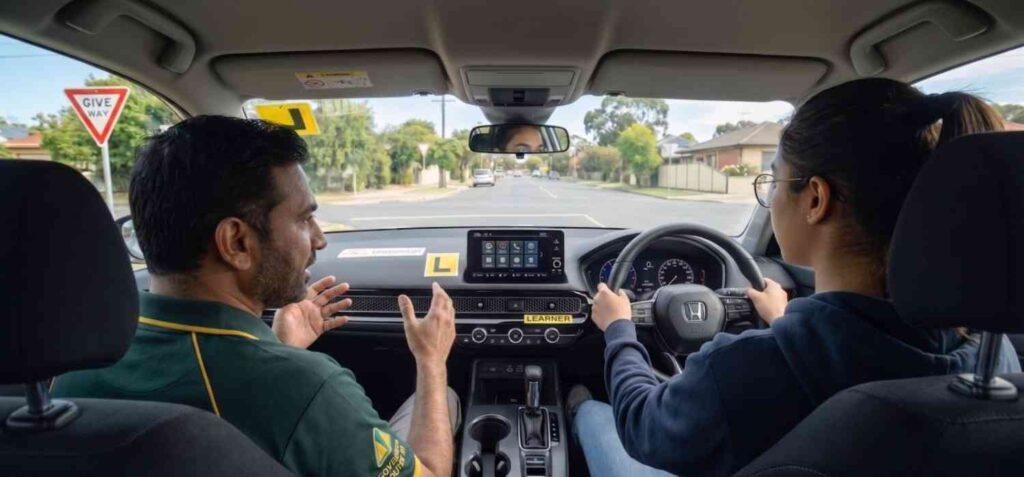
Can International Students Drive in Tasmania Using Their Overseas Licence?
Yes. International students holding a temporary Australian visa can generally drive in Tasmania using a valid overseas driving licence without immediately applying for a Tasmanian licence. However, the licence must remain current, and drivers must comply with its conditions and all applicable Tasmanian road rules.
For example, an Indian student arriving in Hobart to study at the University of Tasmania may generally continue driving using their Indian driving licence while holding a temporary student visa. The same general exemption applies to eligible students from other countries.
There are several requirements to remember before driving. You must carry your original overseas driving licence whenever you operate a vehicle. If your licence is not written in English, you must also carry either an official English translation prepared by an accredited translator or a valid International Driving Permit (IDP).
An IDP is not a replacement for your original driving licence. Both documents must be available when you drive.
You should also check the vehicle categories and restrictions printed on your licence. For instance, a licence that permits you to drive a car does not automatically authorise you to ride a motorcycle. Keeping your documentation valid and understanding these conditions will help you avoid licensing problems.
Does Your Australian Visa Status Affect Your Overseas Driving Licence?
Yes. Your immigration status plays an important role in determining how long you can drive using an overseas licence in Tasmania. Temporary visa holders, including international students, can generally continue driving with a valid overseas licence. Permanent residents must convert their overseas licence within six months of receiving permanent residency.
This distinction is particularly important for students planning to remain in Australia after graduation. For example, someone who completes a university course in Hobart and subsequently receives permanent residency must review their driving eligibility and arrange a Tasmanian licence within the permitted period.
The conversion requirements depend on the country that issued your original licence. Tasmania recognises licences from certain countries with comparable licensing standards. Eligible holders of current licences from recognised countries may qualify for conversion without completing additional driving tests.
Applicants with licences from non-recognised countries may need to complete additional assessments, including a driver knowledge test, Hazard Perception Test and practical driving assessment.
If you are planning to change your visa status, it is worth checking the international student driving licence Tasmania requirements before your circumstances change. Visit Transport Tasmania or Service Tasmania to confirm your eligibility, required documents and application process.
Planning ahead can prevent unnecessary delays and help you maintain your legal driving status.
What Road Rules Should International Students Understand Before Driving in Hobart?
Driving in Tasmania can feel different from driving in your home country. Even experienced overseas motorists need time to become familiar with Australian road rules, local traffic signs and changing road conditions.
One important difference is that Australians drive on the left-hand side of the road. Students arriving from countries where vehicles keep to the right may initially find intersections, turning movements and roundabouts unfamiliar. Taking extra care during the first few weeks can help prevent mistakes.
Hobart also has some challenging road conditions. Many residential streets have steep gradients, requiring careful acceleration and braking. For example, drivers using manual vehicles may need additional practice with clutch control when performing a hill start. Maintaining control is particularly important when stopping behind another vehicle on an uphill road.
Weather conditions deserve equal attention. Tasmania experiences wet and cold conditions during winter, and some roads can become slippery or icy. Reducing speed, increasing following distance and avoiding sudden braking can help maintain vehicle control.
Wildlife is another consideration when travelling beyond central Hobart. Wallabies and other animals may cross rural roads unexpectedly, particularly around sunrise and sunset. Drivers should remain alert and avoid driving too fast on unfamiliar regional roads.
International students should also understand school-zone speed limits, pedestrian crossings, seatbelt requirements, mobile phone restrictions and parking regulations. These everyday rules are essential for safe driving throughout Tasmania.
How Can Professional Driving Lessons Help International Students?
Understanding the international student driving licence Tasmania rules is only one part of becoming a responsible driver. Learning how to handle local traffic conditions and respond to unexpected situations is equally important.
Even if you have several years of driving experience in your home country, professional instruction can help you identify differences in driving practices. A qualified instructor can assess your existing abilities and recommend areas that need improvement.
For example, you might be comfortable driving on busy city roads but unfamiliar with Hobart’s steep streets, compact roundabouts or parallel parking requirements. Practising these situations with an experienced instructor can help you become more comfortable before driving independently.
A local driving school can also provide practical guidance on:
- Vehicle control and hill starts.
- Correct mirror checks and observation techniques.
- Lane changes and roundabout procedures.
- Safe following distances and hazard awareness.
- Parking in residential and commercial areas.
- Driving safely in wet and changing weather conditions.
International students often balance university classes, assignments and part-time employment. Flexible driver training sessions can make it easier to organise regular practice around these commitments.
You can also explore suitable driving packages based on your current experience and learning requirements. Some students may need only a few refresher sessions, while others may benefit from a structured learning programme.
Professional guidance is useful even when you already hold an overseas licence. Developing good driving habits early can improve your confidence and help you make safer decisions on Tasmanian roads.
Conclusion
Understanding the international student driving licence Tasmania requirements can make settling into Hobart easier. Check your visa conditions, keep your overseas licence current and carry the necessary supporting documents whenever you drive. Familiarising yourself with Australian road rules is equally important. If you are uncertain about local driving conditions, consider professional driving lessons to strengthen your skills and become a more confident, responsible driver throughout Tasmania.