Introduction
Learning to drive as an adult can be a life-changing decision, especially when greater independence becomes important for work, family and everyday activities. Whether you are 30, 40 or over 50, there is no reason to believe you have missed the right time to get behind the wheel. Learning to drive as an adult may feel different from starting as a teenager, but maturity, patience and real-life experience can be valuable advantages. For many people in Hobart, obtaining a licence is not simply about driving a car; it is about having more control over their daily lives.
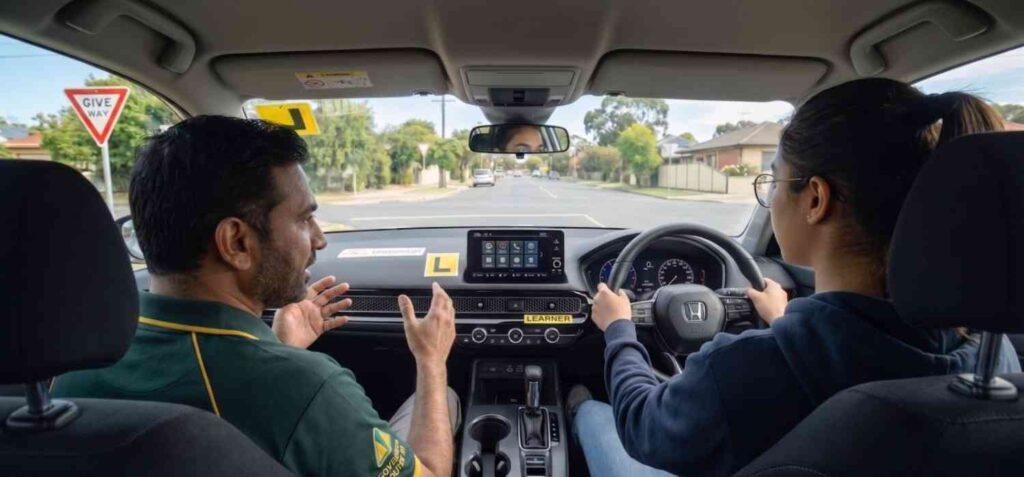
Why Is Learning to Drive as an Adult Worth Considering?
Learning to drive as an adult offers practical benefits, including independent travel, better access to employment and greater flexibility when managing personal responsibilities. A driving licence can make everyday activities easier without requiring constant assistance from family members or relying entirely on public transport.
Consider someone working in Hobart who needs to travel between different locations throughout the day. Depending on bus schedules can make these journeys difficult to organise. Having a licence provides another transport option and makes managing professional commitments more convenient.
Family responsibilities are another common reason adults decide to learn. Parents may need to take children to school, attend appointments, collect groceries or manage unexpected situations. Being able to drive independently can make these responsibilities easier to handle.
For people in their 50s and beyond, driving can also provide opportunities to visit relatives, explore Tasmania and maintain an active social life. Learning to drive as an adult is therefore not restricted to a particular age group. It is a useful skill that can support different stages of life.
How Can You Overcome the Fear of Driving for the First Time?
Overcoming driving anxiety starts with understanding that confidence develops gradually through instruction and repeated practice. Adult beginners should learn basic vehicle controls first, then progress towards traffic, intersections and more challenging driving situations as their abilities improve.
Many first-time learners feel uncomfortable when sitting behind the steering wheel. Common concerns include pressing the wrong pedal, stalling at traffic lights, judging distances incorrectly or making mistakes in front of other motorists.
These feelings should not become a reason to avoid learning. Instead, begin with simple exercises such as starting the vehicle, controlling the steering, accelerating smoothly and applying the brakes correctly.
A quiet residential area in Hobart can provide a suitable environment for practising basic techniques. Once you become comfortable, your instructor can introduce more demanding situations, including roundabouts, lane changes, reversing and parking.
Another useful approach is to communicate openly with your instructor. If you find a particular manoeuvre difficult, ask for additional practice. A patient learning environment makes it easier to understand mistakes and improve without unnecessary pressure.
Remember that learning to drive as an adult does not require you to become an expert within a few lessons. Give yourself enough time to develop each skill properly.
What Driving Challenges Should You Expect on Tasmanian Roads?
Driving in Tasmania requires awareness of changing weather, steep roads, different speed environments and unexpected hazards. Beginners should practise these conditions with suitable supervision so they can understand how to adjust their driving and make safe decisions.
Hobart is known for its hilly streets, which can present difficulties for inexperienced drivers. Hill starts are particularly challenging when learning to drive a manual vehicle. Beginners need to coordinate the clutch, accelerator and brakes to prevent the vehicle from rolling backwards.
Weather conditions also deserve attention. Rain can reduce tyre grip and visibility, while frost and icy patches may appear during colder months. Drivers should adjust their speed, maintain appropriate following distances and allow sufficient room to stop safely.
Wildlife is another important consideration across Tasmania. Wallabies and other animals can cross roads unexpectedly, particularly around dawn and dusk. This is especially relevant when travelling along rural roads outside Hobart.
Learning to drive as an adult should therefore involve more than understanding basic vehicle controls. Developing hazard awareness, recognising changing road conditions and knowing when to slow down are essential parts of becoming a responsible driver.
A professional driving instructor can introduce these situations gradually and explain how experienced drivers manage different road conditions.
How Can You Manage Driving Lessons Alongside Work and Family?
Adults can balance driving practice with their daily responsibilities by choosing convenient lesson times and following a realistic learning schedule. Consistent practice is generally more useful than attending occasional sessions without a clear learning plan.
Working professionals may prefer early morning or evening lessons, while parents might find weekends more convenient. Discussing your availability with an instructor can help you establish a routine that fits your lifestyle.
Before choosing driving packages, consider your current experience and individual learning requirements. A complete beginner may need additional practice with steering, braking and vehicle positioning, while someone with previous experience may want to improve parking, observation or confidence in traffic.
Choosing a suitable driving school is equally important. Look for an instructor who understands adult beginners, explains road rules clearly and provides constructive feedback. Learning should focus on developing safe driving habits rather than simply completing a certain number of lessons.
Where permitted under Tasmanian learner licence conditions, supervised practice between professional sessions can reinforce what you have learned. Repeating familiar routes and practising specific manoeuvres can help improve vehicle control and road awareness.
Learning to drive as an adult becomes easier to manage when you have a clear goal, suitable instruction and enough time to practise without rushing.
Conclusion
Learning to drive as an adult is an opportunity to develop an important life skill and enjoy greater independence, regardless of your age. You do not need previous experience or complete confidence before beginning. Start with the basics, choose professional instruction that suits your needs and practise consistently. Whether you are 30, 40 or 50+, every lesson can bring you closer to becoming a confident and responsible driver on Tasmania’s roads.