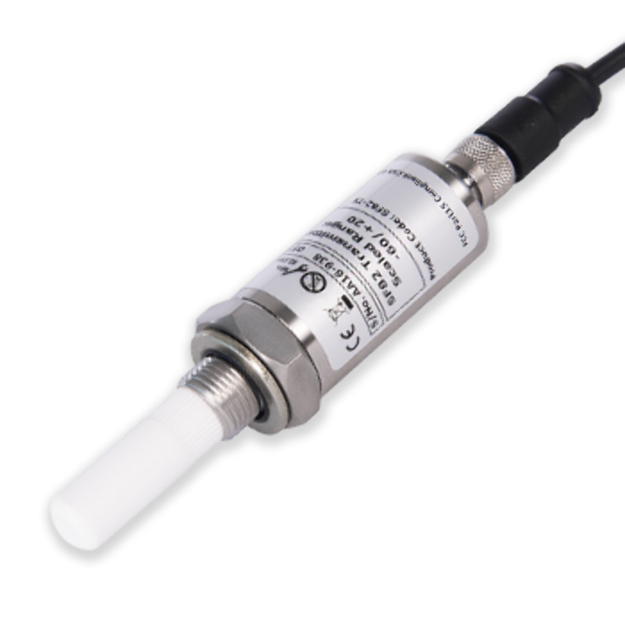
Moisture monitoring is an important part of many industrial processes, particularly where compressed air, gases, and sensitive production environments require controlled humidity levels. Even small amounts of water vapor can affect equipment performance, product quality, and system reliability. A Dewpoint sensor is designed to detect moisture conditions by measuring the temperature at which water vapor begins to condense. Understanding its operating principles and applications helps explain why dewpoint measurement is used across different industries.
What Is a Dewpoint Sensor?
A Dewpoint sensor is an instrument used to measure the dewpoint temperature of air or gas. This measurement indicates the temperature at which water vapor reaches saturation and begins to form liquid condensation.
The sensor detects changes in moisture conditions and provides measurement data that can help operators monitor industrial systems. Depending on the design, these instruments may be installed directly in a process line or used as part of a separate monitoring system.
How Does Dewpoint Sensing Work?
Dewpoint sensors use different sensing technologies to identify moisture levels. Some designs measure changes in the electrical properties of a sensing element, while others use chilled-mirror principles to identify the temperature at which condensation forms.
The measurement method depends on the sensor design and intended application. Factors such as pressure, temperature, gas composition, and installation conditions can influence measurement performance.
Industrial Applications of Dewpoint Sensors
Compressed Air Systems
Compressed air systems require moisture monitoring to help identify conditions that may lead to condensation, corrosion, or operational problems. Dewpoint measurement provides useful information about air dryness.
Pharmaceutical Manufacturing
Moisture control is important in pharmaceutical production and storage environments. Dewpoint monitoring can support process documentation and environmental control procedures.
Petrochemical Industry
Industrial gases and processing systems may require moisture monitoring to maintain specified operating conditions and protect equipment.
Power Generation
Dewpoint measurements can be used in different power generation processes where moisture levels influence equipment operation and maintenance requirements.
Electronics Manufacturing
Sensitive electronic manufacturing processes may require controlled moisture conditions. Monitoring dewpoint helps operators understand the moisture characteristics of process environments.
Important Features of Dewpoint Sensors
Measurement Accuracy
Measurement accuracy is an important specification when evaluating a sensor. The required accuracy depends on the application and acceptable moisture limits.
Response Time
Response time describes how quickly a sensor reacts to changes in moisture conditions. This can be important in processes where moisture levels fluctuate.
Operating Range
Different sensors are designed for different dewpoint ranges. Selecting an appropriate measurement range helps ensure that the instrument matches the process requirements.
Installation Compatibility
Sensor connections, pressure ratings, materials, and installation arrangements should be checked before integrating an instrument into an industrial system.
Dewpoint Sensors and ShawMeters
Dew-point is associated with industrial moisture measurement equipment, including instruments designed for dewpoint monitoring in compressed air and gas applications. When evaluating a sensor, users should review its measurement range, sensing technology, operating conditions, and compatibility with the intended process.
The selection of an appropriate instrument depends on the specific moisture monitoring requirements and the conditions in which the sensor will operate.
Factors to Consider When Selecting a Dewpoint Sensor
Choosing an industrial moisture sensor involves more than comparing measurement specifications. Several factors should be considered:
- Required dewpoint measurement range
- Measurement accuracy and repeatability
- Process pressure and temperature
- Gas composition and compatibility
- Installation and connection requirements
- Calibration and maintenance needs
- Output and monitoring system compatibility
These considerations help determine whether a particular sensor is suitable for a given industrial application.
Maintenance and Calibration
Regular maintenance helps support consistent measurement performance. Sensor condition, installation environment, contamination, and calibration status can all influence measurement reliability.
Calibration should follow the manufacturer’s recommendations and the quality requirements of the application. Proper installation and periodic inspection can also help identify potential measurement issues.
Conclusion
A Dewpoint sensor is an important instrument for monitoring moisture conditions in compressed air, industrial gases, and controlled production environments. By measuring the temperature at which condensation begins, it provides information that helps operators understand moisture levels and maintain process conditions.
Understanding sensing technology, measurement range, installation requirements, and calibration procedures is essential when evaluating industrial moisture monitoring equipment. ShawMeters provides moisture measurement solutions for applications where accurate dewpoint monitoring is an important part of process control.