
Rooter Man Septic Tank Pumping is here to help with dependable septic care for your home. Many homeowners in the USA often forget about septic maintenance until drainage problems appear. Septic systems stay underground, so it’s easy to ignore them, but sludge can slowly build up and cause trouble. That’s why we believe regular septic pumping is important.
From our experience, septic care works like protection for your plumbing health. Around 20% of homes in the United States use septic systems, according to the U.S. Environmental Protection Agency. Keeping your tank clean helps prevent sewer backup, bad smells, and costly repairs. If you live in North Hills, Los Angeles, our professional septic pumping in north hills service helps protect your home from unexpected septic system failure.
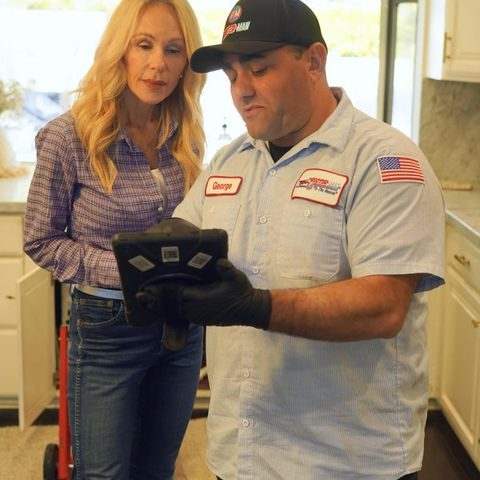
What Regular Septic Pumping Really Means
Regular septic pumping simply means removing solid waste and sludge from the tank before it blocks water movement.
Wastewater carries grease, soap residue, and organic matter. These materials slowly settle at the bottom.
What usually works is pumping before the tank gets too full. What often fails is waiting until the drains start acting strangely.
Most experts suggest pumping every 2 to 5 years, but family size and water use matter. Think of it like cleaning your refrigerator before it starts smelling bad.
1. Stops Sewage Backups
This is probably the most annoying septic problem.
When the tank is filled with sludge, water cannot move forward. Pressure pushes dirty water back into the home pipes.
You may notice:
- Toilet water is rising slowly
- Sink drains are taking longer
- Gurgling sound inside pipes
Imagine pouring water into a glass already filled with sand. The water has nowhere to go.
From real experience, prevention works better than emergency plumbing.
Honestly, waiting until backup happens is a bad idea.
2. Controls Bad Septic Odor Around Your Home
Nobody likes the sewage smell near the yard.
Bad odor usually comes from hydrogen sulfide gas released during waste breakdown.
What usually works:
- Keep tank lids sealed
- Avoid pouring cooking oil
- Schedule pumping service regularly
What often fails:
- Using spray deodorants
- Ignoring small smell signs
In warmer USA states, odor problems can grow faster during summer.
3. Protects Your Drainage Field
The drainage field spreads treated water into the soil.
When solid waste escapes the tank, soil pores clog like mud inside a sponge.
| Situation | Without Pumping | With Pumping |
| Yard wet spots | Common | Rare |
| Water absorption | Weak | Good |
| Repair cost | High | Lower |
| Field lifespan | Short | Longer |
In suburban USA homes, drainage field repair is usually very expensive.
Regular pumping is cheaper than fixing soil damage.
4. Prevents Groundwater Pollution
This is more serious than people think.
If septic tanks leak, bacteria can enter groundwater.
The U.S. Environmental Protection Agency warns about contamination risk from poorly maintained septic systems.
Homes using private wells should be careful.
Honestly, protecting groundwater is not just maintenance — it is environmental responsibility.
Regular pumping supports natural soil filtration.
5. Saves Money on Emergency Plumbing
Emergency septic repair is stressful.
| Service Type | Average USA Cost |
| Routine pumping | $250 – $500 |
| Emergency repair | $2000+ |
| System replacement | $5000 – $15000 |
What usually works is planned maintenance.
What often fails is waiting until the system collapses.
In my opinion, septic pumping is one of the smartest home protection expenses.
6. Improves Home Hygiene and Comfort
A healthy septic system helps keep indoor air cleaner.
Without maintenance, you may see:
- Drain flies near the bathroom
- Slow water drainage
- Outdoor sewage smell
Some people use strong chemical cleaners.
But too much chemical use can kill helpful bacteria inside the tank.
Remember — septic tanks need bacteria to break down waste naturally.
7. Makes Your Septic System Last Longer
A good septic system can work 25–40 years if maintained properly.
But I have seen systems fail early because owners ignored maintenance.
Pumping helps by:
- Removing heavy sludge layers
- Reducing tank pressure
- Supporting natural waste digestion
Many USA homeowners schedule pumping every few years for safety.
How Often Should You Pump Your Tank?
| Household Size | Pumping Schedule |
| 1–2 people | 3–5 years |
| Small family | 2–3 years |
| Large family | 1–2 years |
| Heavy water use | Yearly inspection |
Laundry frequency, shower time, and garbage disposal use affect timing.
Warning Signs You Should Not Ignore
If I were a homeowner, I would call a professional immediately if I notice:
- Water is backing up in the basement drains
- Wet soil near the septic tank area
- Strong sewage smell outside the house
- Slow toilet flushing
- Septic alarm activation
Waiting usually makes the repair more expensive.
Why Professional Service Is Better
Professional septic pumping provides:
- Safe waste removal
- Tank crack inspection
- Filter cleaning
- Sludge depth measurement
- Performance testing
Our goal is long-term system protection, not just quick cleaning.
Simple Pumping Process
- Find the septic tank cover
- Open the tank safely
- Check the sludge level
- Pump waste using vacuum equipment
- Inspect tank condition
- Seal the tank properly
Usually it takes about 1–2 hours.
Real USA Neighborhood Example
In many California suburban homes, people schedule pumping before the rainy season.
Heavy rain can increase groundwater pressure.
Routine maintenance helps prevent overflow during storms.
My Honest Opinion
If you ask me directly, septic pumping is not optional.
It is like brushing teeth or servicing your car.
People often regret waiting too long.
Small maintenance today saves big repair money tomorrow.
Conclusion
Regular septic pumping is simple but very important. It keeps wastewater flowing, controls smell, protects soil and water, and saves repair costs.
If you live in the USA, professional septic maintenance is a smart home decision. Don’t wait until your toilet starts giving warning signs.
From my experience, treating septic pumping like yearly health checkups for your home is the best approach.
FAQ
How often should septic tanks be pumped?
Septic tanks usually need pumping every 2–5 years. Regular cleaning prevents backup, odor, and repair costs. Trust Rooter Man Septic Tank Pumping for safe maintenance.
What happens if pumping is ignored?
If septic pumping is ignored, waste keeps building inside the tank and can block water flow. This may cause slow drains, sewage backup, and bad smells around the house. We always suggest regular cleaning because our goal is to help keep your septic system healthy and avoid costly repairs later. Timely maintenance protects your home and keeps your plumbing working smoothly.
Is septic pumping expensive?
Septic pumping is usually affordable, costing about $250–$500 in the USA. Regular cleaning is cheaper than emergency repair. We suggest timely maintenance to keep your septic system working smoothly and avoid backup or odor problems later.
Can I pump the septic tank myself?
You should not pump a septic tank yourself because it needs special tools and safety knowledge. I recommend professional cleaning to avoid damage, bad smell, or waste exposure. Regular service helps keep your septic system working smoothly and protects your home from costly repairs.
How do I know the tank is full?
You may notice your tank is full when drains start moving slowly, toilets make gurgling sounds, or a bad smell appears near the yard. We suggest checking the septic system regularly to avoid backup and plumbing damage. Timely pumping helps keep your home safe and clean.