Every cosmetic product has different packaging requirements based on its shape, weight, formulation, and fragility. A lipstick requires a different protective structure than a glass foundation bottle or a pressed powder palette. Choosing custom makeup boxes according to individual product characteristics helps US beauty brands reduce damage, improve presentation, and provide a convenient customer experience. From compact folding cartons to compartmentalized beauty kits, packaging should address the practical needs of each cosmetic product. Understanding these requirements enables businesses to select suitable packaging without unnecessary material consumption or production expenses.
Why Different Cosmetics Require Different Packaging
Cosmetic packaging is not a one-size-fits-all solution. Liquid foundations require protection against bottle damage, while pressed powders need cushioning to minimize cracking. Lipsticks and mascaras generally require narrow cartons that prevent unnecessary movement.
Beauty businesses should consider the following factors when selecting makeup boxes:
- Product dimensions, shape, and weight.
- Primary container material.
- Product sensitivity to heat and moisture.
- Retail display and transportation requirements.
- Available space for regulatory information.
- Customer opening and handling convenience.
Evaluating these factors helps businesses develop packaging that addresses product-specific requirements.
Choosing Packaging for Different Makeup Products
Each cosmetic category presents unique packaging challenges. Selecting the appropriate structure can improve product protection and retail presentation.
Lipstick Packaging Boxes
Lipsticks typically require compact rectangular cartons that accommodate cylindrical or square-shaped containers. Straight tuck-end boxes made from SBS paperboard are commonly suitable for these products.
Brands offering multiple lipstick shades can incorporate shade names, numbers, and color indicators into their packaging. This helps customers identify their preferred products without opening the cartons.
Foundation Packaging Boxes
Foundations are often stored in glass bottles, plastic tubes, or pump containers. Glass foundation bottles require additional structural support because they are susceptible to breakage during transportation.
Paperboard inserts and reinforced bottom closures can help stabilize heavier bottles. Packaging dimensions should also account for pump dispensers and protective caps to prevent unnecessary pressure.
Eyeshadow Palette Packaging
Eyeshadow palettes contain pressed powders that may crack when exposed to excessive impact. Packaging should accommodate the palette’s dimensions while providing appropriate cushioning.
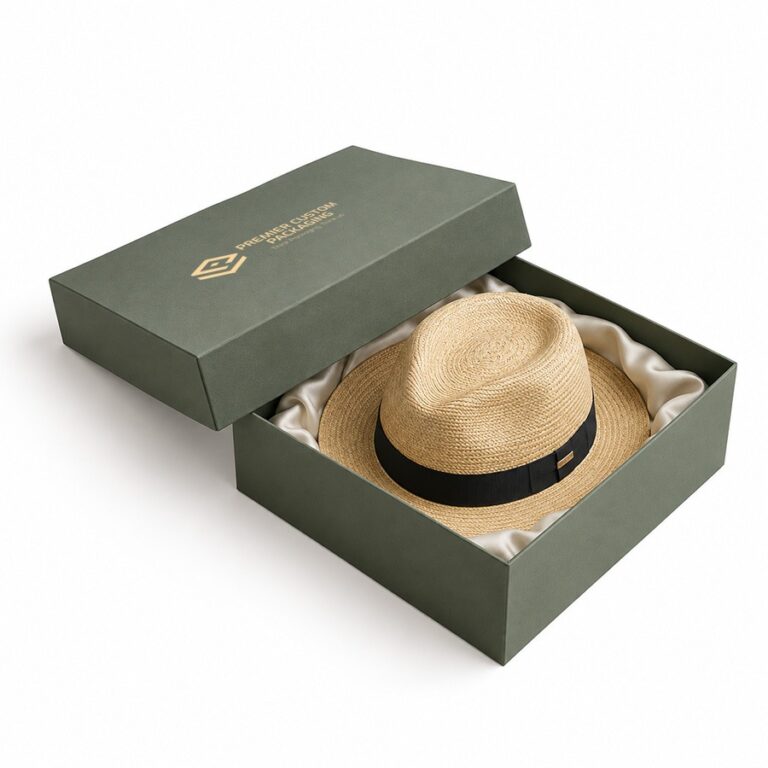
Sleeve boxes, drawer-style cartons, and rigid packaging are suitable options depending on product weight and retail positioning. Protective inserts can provide additional stability for palettes containing mirrors.
Mascara and Eyeliner Packaging
Mascara and eyeliner products generally require narrow folding cartons with accurate internal dimensions. Lightweight paperboard is suitable for many of these products because their primary containers already provide structural protection.
Packaging should offer sufficient space for product descriptions, applicator information, shade identification, and applicable safety instructions.
Lip Gloss and Lip Balm Packaging
Lip gloss and lip balm containers vary in shape, including cylindrical tubes, rectangular bottles, and small jars. Customized cartons should reflect these differences.
Window packaging can display product colors when the primary container is transparent. However, brands should evaluate whether additional window materials are necessary for their retail presentation.
Blush and Compact Powder Packaging
Pressed blush and compact powders require protection against impact and excessive movement. Square or rectangular folding cartons with fitted internal supports can help stabilize compact containers.
Businesses selling these products online should consider additional protective shipping packaging because retail cartons alone may not withstand transportation impacts.
Compare Packaging Styles for Different Cosmetics
| Cosmetic Product | Recommended Box Style | Suitable Material |
| Lipstick | Straight tuck-end box | SBS paperboard |
| Liquid foundation | Reinforced bottom box | Thick paperboard |
| Eyeshadow palette | Drawer or sleeve box | Paperboard or rigid board |
| Mascara | Reverse tuck-end box | SBS paperboard |
| Lip gloss | Window or tuck-end box | Kraft or SBS |
| Compact powder | Folding carton with insert | Paperboard |
| Makeup gift set | Magnetic closure box | Rigid board |
| Beauty subscription kit | Mailer box | Corrugated cardboard |
The final makeup box packaging design should reflect actual product measurements and distribution conditions.
Find Product-Specific Packaging Solutions with We Print Boxes
Beauty businesses exploring packaging solutions through We Print Boxes can develop box specifications according to individual cosmetic products, brand requirements, and sales channels. Selecting appropriate Custom Boxes involves evaluating product measurements, structural strength, closure styles, and internal component placement.
Before approving production, businesses should provide accurate product dimensions, artwork files, material preferences, and expected order quantities. Physical packaging samples can help identify fitting issues, unnecessary empty space, or inconvenient opening mechanisms before commercial manufacturing.
Select Suitable Packaging for Makeup Gift Sets
Makeup gift sets often contain multiple products with different dimensions and weights. Packaging must organize these items while preventing excessive movement or contact between fragile containers.
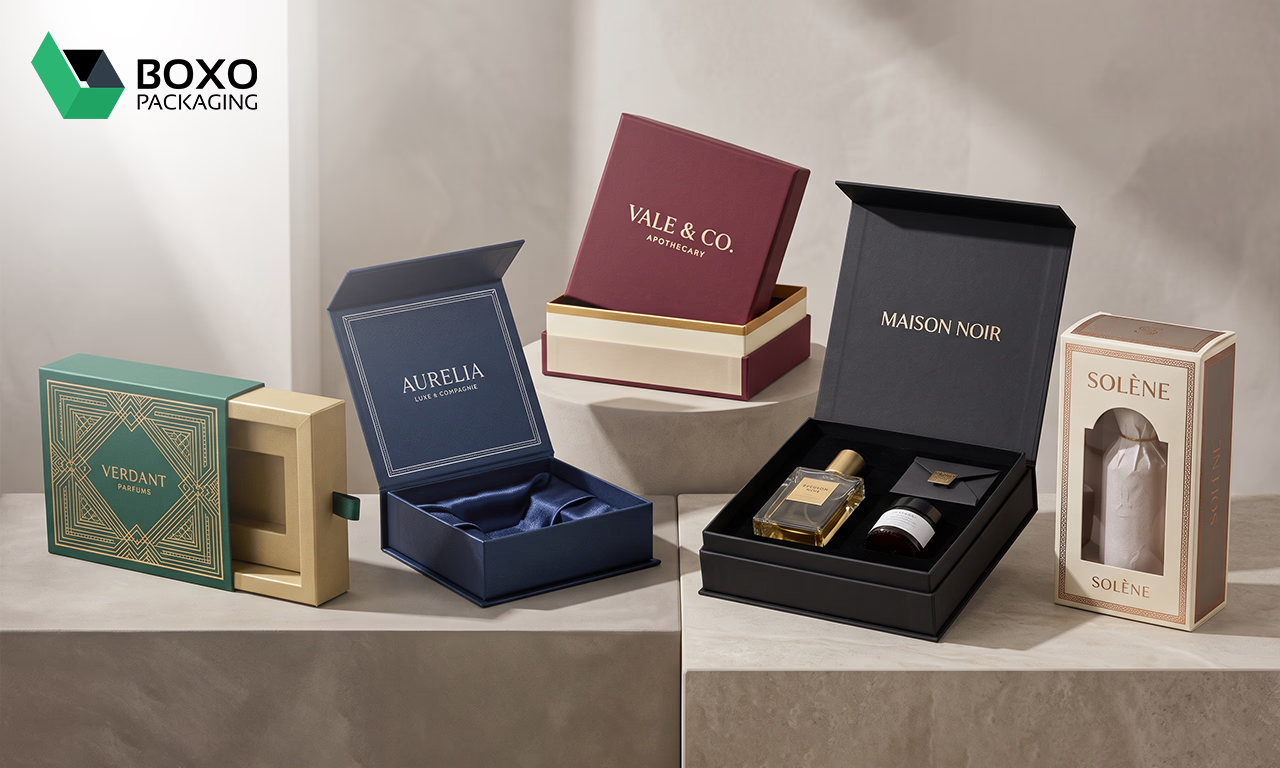
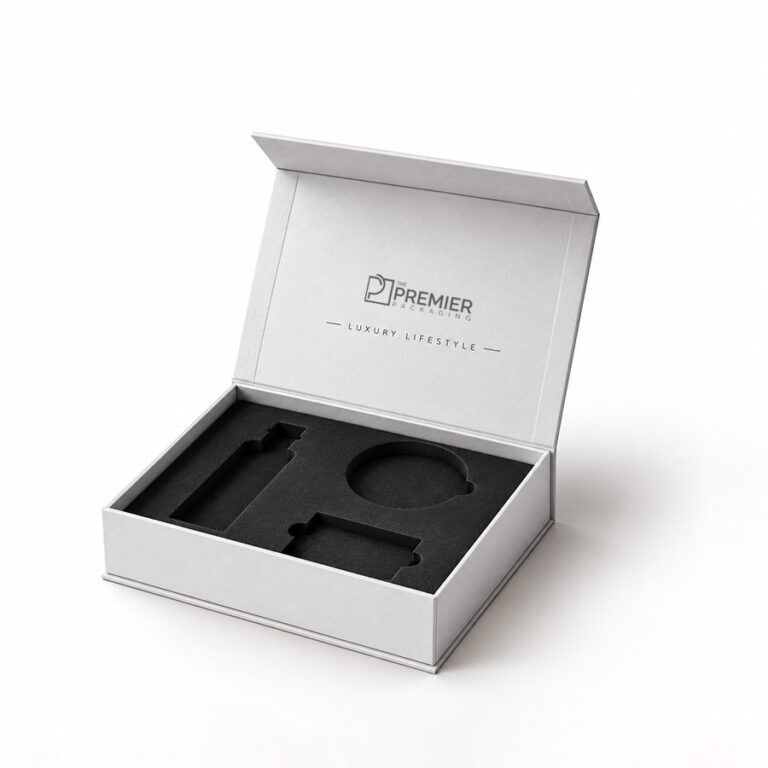
Rigid boxes with magnetic closures, compartmentalized cartons, and two-piece gift boxes are practical options for premium cosmetic collections. Customized inserts can accommodate brushes, lipsticks, foundation bottles, and palettes within a single package.
Removable paperboard inserts may also simplify material separation after use.
Match Makeup Packaging to Retail and E-Commerce Requirements
Packaging requirements differ between physical retail stores and online beauty businesses. Retail packaging should communicate product information clearly, while e-commerce packaging must address transportation risks.
| Packaging Feature | Retail Stores | E-Commerce |
| Primary objective | Product visibility | Transportation protection |
| Box structure | Folding cartons | Reinforced mailer boxes |
| Branding | Shelf recognition | Unboxing experience |
| Internal protection | Product-specific support | Additional cushioning |
| Size requirements | Efficient shelf placement | Right-sized shipping |
Beauty businesses developing Custom Packaging should evaluate their distribution channels before finalizing structural specifications.
Customize Printing According to Cosmetic Categories
Custom printed makeup boxes allow beauty brands to distinguish products within a collection. Consistent typography, shade indicators, product names, and coordinated graphics help customers identify different cosmetic categories.
Brands designing custom makeup boxes with logo can maintain consistent visual identities while introducing individual design elements for foundations, lipsticks, and eyeshadow palettes.
Digital printing is practical for smaller collections with multiple artwork variations, while offset printing may offer cost advantages for larger, consistent production runs.
Consider FDA Cosmetic Labeling Requirements
Cosmetics sold in the United States must comply with applicable federal labeling regulations, including relevant provisions of 21 CFR Parts 701 and 740.
Depending on the product, required information generally includes:
- Product identity.
- Net quantity of contents.
- Ingredient declaration.
- Manufacturer or distributor details.
- Applicable warnings and instructions.
Under 21 CFR 701.3, ingredient declarations generally require lettering at least 1/16 inch high, with certain allowances for smaller packages.
Businesses developing Custom Boxes with Logo should allocate sufficient space for mandatory information. Cosmetics that also qualify as drugs, such as certain foundations marketed with sun protection claims, may have additional regulatory requirements.
Reduce Packaging Waste Through Accurate Product Sizing
Oversized cosmetic packaging increases material consumption, storage requirements, and shipping volume. Accurate measurements help businesses develop appropriately sized boxes without compromising product protection.
For example, reducing a carton from 3 × 3 × 6 inches to 2 × 2 × 6 inches decreases its external volume from 54 to 24 cubic inches, approximately 56%. This illustrative comparison demonstrates how right-sizing can reduce unnecessary packaging volume when the smaller carton safely accommodates the product.
Manage Purchasing Costs with Wholesale Makeup Boxes
Purchasing wholesale makeup boxes can help cosmetic businesses manage production expenses and maintain inventory availability. However, different products may require separate structural designs and artwork files.
Businesses considering Custom Boxes Wholesale should evaluate whether products with similar dimensions can share a common carton structure while using different printed designs. This approach may reduce tooling expenses and simplify inventory management.
Order quantities should reflect actual sales forecasts to avoid excess packaging becoming obsolete after product reformulation or branding updates.
Conclusion
Choosing the right packaging for different cosmetics requires careful consideration of product dimensions, fragility, primary containers, and distribution channels. Custom makeup boxes enable US beauty brands to develop product-specific structures for lipsticks, foundations, mascaras, eyeshadow palettes, and complete makeup collections. By combining suitable materials, accurate sizing, functional designs, and compliant labeling, cosmetic businesses can improve product protection, manage packaging expenses, and deliver a consistent customer experience.
Frequently Asked Questions (FAQs)
What type of packaging is best for lipstick?
Straight tuck-end paperboard boxes are suitable for many lipstick containers because of their compact structure.
Which boxes are suitable for glass foundation bottles?
Reinforced paperboard boxes with fitted inserts can provide additional support for glass foundation bottles.
What is the best packaging for makeup gift sets?
Rigid magnetic closure boxes and compartmentalized gift cartons are practical options for makeup collections.
Can different cosmetics use the same packaging design?
Yes, products with similar dimensions and protection requirements may share structural designs with different printed artwork.
How can cosmetic businesses reduce packaging costs?
Accurate box sizing, standardized structures, suitable printing methods, and planned wholesale purchasing can help reduce expenses.