
At Mr Rooter Plumbing of Killeen, we deal with water issues every day. You’d be surprised how many people just assume their water is fine. But here’s the truth: even tap water that looks clean can have problems. The EPA says 69% of Americans get drinking water from public systems, and around 15% of homes have plumbing-related water issues each year (EPA). That’s why calling a professional plumber in Kempner isn’t just smart—it’s necessary. Today, I want to share ways a plumber can improve your water quality, what usually works, what often fails, and my honest take.
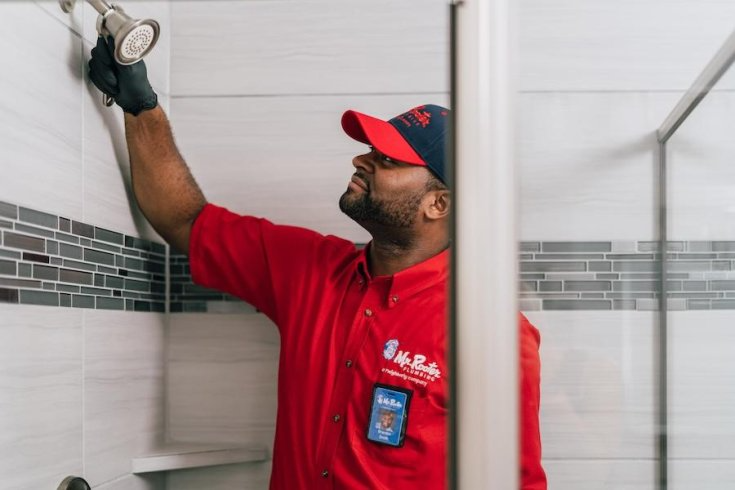
Why Water Quality Matters More Than You Think
Water quality isn’t just about taste. Bad water can:
- Damage pipes and appliances
- Cause strange tastes, smells, or colors
- Affect your skin and hair
- Carry bacteria or minerals you don’t want
I see it all the time. People ignore a weird smell or cloudy water, thinking it’s nothing. That usually ends with bigger problems and a higher bill. Trust me, it’s better to fix things early.
1. Fixing Leaks and Corroded Pipes
Leaks and corroded pipes are huge culprits.
What works: Replacing old pipes with copper or PEX, sealing joints properly, and fixing leaks promptly. These steps almost always improve water clarity and safety.
What often fails: Using temporary fixes like tape, putty, or DIY patches. They stop leaks for a week and then come back, often worse.
My take: Don’t try to save a buck here. I’ve seen tiny leaks that contaminated whole water lines. Fix it properly with a pro and sleep easy.
2. Installing Filtration Systems
Filters are probably the easiest way to make your water taste better and remove unwanted chemicals.
What works: Professional-grade whole-house filters or under-sink carbon filters. They handle sediment, chlorine, and sometimes lead.
What often fails: Cheap store filters that aren’t replaced on time. They clog, stop working, or even breed bacteria.
My take: I’d rather spend a few hundred bucks on a solid system than waste months dealing with bad-tasting water and guessing why it still smells off.
3. Water Softeners for Hard Water
If you see white spots on dishes or your skin feels dry after a shower, your water is hard. Hard water isn’t dangerous, but it clogs pipes and wears out appliances.
What works: Real water softeners installed by a professional. They remove calcium and magnesium and protect your plumbing.
What often fails: Salt-free “magic” softeners or DIY kits. They might make water feel a little smoother, but scaling in pipes continues.
My take: Don’t skimp here. A softener is an investment. One properly installed unit saves hundreds in future repairs.
4. Servicing or Replacing Water Heaters
Hot water problems can affect taste and smell, too. Rotten-egg smell? Cloudy hot water? Often, the water heater is to blame.
What works: Flushing sediment, replacing corroded anodes, or installing a new tank.
What often fails: half-hearted DIY flushes or ignoring the problem. Sediment builds up faster than most homeowners expect.
My take: Treat your water heater like an appliance, not just a convenience. It affects your water quality, and a new tank is usually worth the cost.
5. Testing and Monitoring Water Quality
Testing is something homeowners skip way too often.
What works: A professional plumber can test for pH, chlorine, minerals, bacteria, and lead. This helps target the real problem.
What often fails: Relying on DIY test kits or guessing. You might waste money on the wrong solution.
My take: Testing is like a map. Without it, you’re driving blind. Spend a little on testing and save a lot of headaches.
6. Teaching Homeowners Smart Habits
Good plumbers don’t just fix things—they teach homeowners simple routines that prevent problems.
What works: Flushing water heaters annually, cleaning faucet aerators, checking for leaks, and knowing warning signs.
What often fails: Ignoring maintenance or relying solely on chemicals. Some people think “cleaning products” can replace plumbing care. They can’t.
My take: I’d rather spend 15 minutes teaching a homeowner the right routine than fix a preventable problem later.
Common Mistakes I See
Here’s what most people do wrong:
- Wait too long to call a plumber
- Use cheap, temporary fixes
- Blame the city water automatically
- Ignore minor changes in taste, smell, or colour.
99% of the time, these mistakes lead to bigger problems. I always advise tackling issues early.
Quick DIY Tips While You Wait for a Pro
Some things help while you wait:
- Run cold water for a minute before drinking
- Clean faucet aerators monthly
- Flush your water heater once a year
- Replace old faucets with certified low-lead options
These steps aren’t permanent solutions, but they help reduce risks.
Cost vs. Value
Here’s the reality: proper plumbing work isn’t cheap, but the cost is almost always worth it.
| Action | DIY Attempt | Professional Plumber | My Take |
| Leak repair | Tape/patch | Full replacement | Tape just delays the inevitable; pro fixes it for good |
| Water filtration | Cheap filter | Professional system | Cheap filters fail fast; pros last and work |
| Water softening | DIY salt-free | Professional softener | DIY softeners rarely remove scale; pro units do |
| Water heater flush | Half-hearted flush | Full service | DIY misses sediment; pro ensures longevity |
Why Choose Mr Rooter Plumbing of Killeen?
We’re not here to just “patch things up”. We fix problems the right way. That means:
- Finding leaks you didn’t know existed
- Installing and maintaining filtration systems and softeners
- Flushing and servicing water heaters
- Testing water for real problems
- Teaching homeowners what works and what doesn’t
Our goal is simple: clean, safe water for your home.
Conclusion
Water quality is more important than most people realise. I’ve seen leaks, corroded pipes, neglected water heaters, and half-baked DIY fixes ruin water quality for months.
Here’s my personal judgement: calling a professional plumber early is almost always cheaper than waiting. Fix leaks, install a proper filter or softener, and maintain your systems. Your water will taste better, your appliances will last longer, and your family will stay safer.
If your water smells off, tastes metallic, or looks cloudy, don’t wait. Call a professional today. You’ll thank yourself later.
FAQs
Q: How often should I test my water?
We recommend testing your water at least once a year, or anytime you notice changes in taste, smell, or color, to keep your home’s water safe and clean.
Q: Can a plumber fix city water problems?
We can’t control the city water itself, but we fix issues in your home—like pipes, filters, and softeners—to make sure your water stays clean, safe, and great-tasting.
Q: Are water softeners worth it?
We see water softeners save pipes, appliances, and skin from hard water buildup. They’re a small investment that prevents costly repairs and keeps water feeling smooth and clean.
Q: What’s the biggest mistake homeowners make?
The biggest mistake homeowners make is waiting too long to call us for plumbing issues. Ignoring leaks, strange tastes, or cloudy water usually leads to bigger problems and higher repair costs.
Q: How often should I have my water tested?
We recommend testing your water at least once a year or whenever you notice changes in taste, smell, or color to stay safe.
Q: Can a plumber fix water quality issues at home?
Yes! We can install filters and softeners, repair pipes, and maintain systems to improve your water’s taste, clarity, and safety.