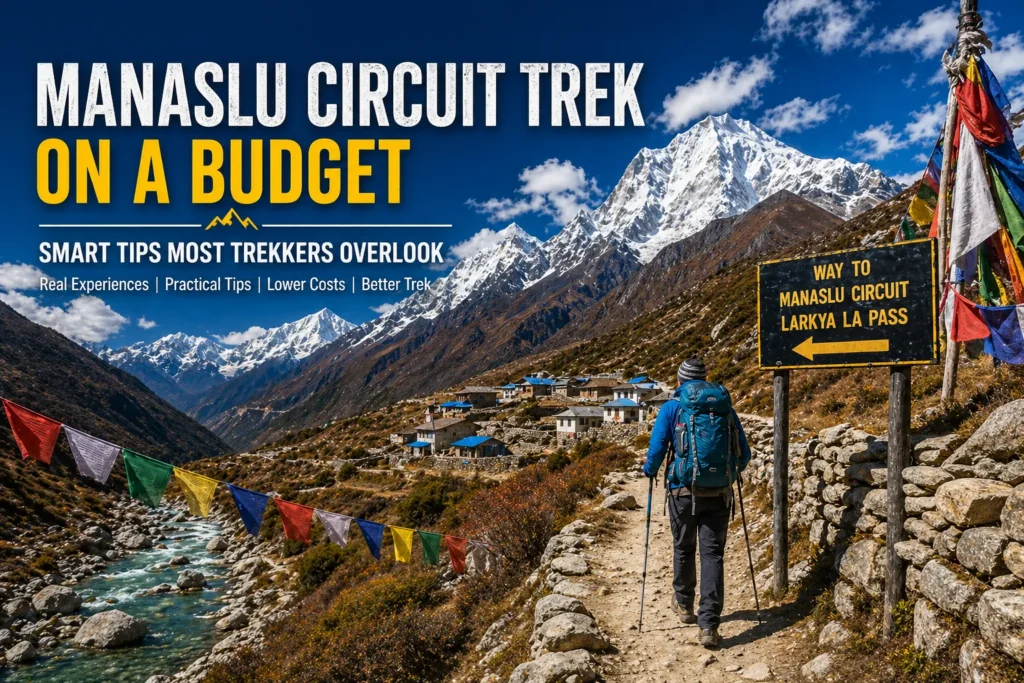
The Manaslu Circuit Trek in Nepal is one of the best long-distance treks if you want raw mountain views, quiet trails, and real village life.
Many people skip it because they think it is too expensive due to permits and guide rules. But that is not the full picture. If you plan your trip step by step, you can control costs without cutting safety or comfort.
This guide explains where your money goes, how to reduce waste, and what small decisions make a big difference during the trek.
What Makes the Manaslu Circuit Trek Different From Other Routes
The Manaslu Circuit Trek is not like the crowded trails of the Everest Base Camp Trek or the Annapurna Circuit. It passes through remote villages, forests, and high mountain terrain before crossing Larkya La Pass at over 5,100 meters.
Because it is a restricted area, you must follow rules like hiring a licensed guide. This adds cost, but it also keeps the trail less crowded and more controlled. The result is a quieter and more natural trekking experience.
What many trekkers do not realize is that once you are on the trail, daily expenses are not high. The main challenge is planning correctly before you start.
A Quick Cost Breakdown You Should Understand First
Before going into tips, it helps to see a realistic cost picture.
| Expense Category | Estimated Cost (USD) | What It Means for You |
| International Flights | $700 – $1,500 | Depends on location and timing |
| Permits | $100 – $160 | Fixed cost, no shortcuts |
| Guide (shared) | $200 – $400 | Split the cost with others |
| Accommodation | $120 – $250 | Tea house stays |
| Food | $300 – $500 | Daily meals on the trail |
| Local Transport | $30 – $120 | Bus or shared jeep |
| Gear Rental | $30 – $100 | Kathmandu rentals |
| Miscellaneous | $80 – $200 | Charging, Wi-Fi, showers |
| Total Estimate | $1,600 – $3,200 | Based on travel style |
This table shows that the trek is not cheap, but it is manageable if you avoid unnecessary spending.
1. Choose the Right Time to Travel
Timing affects almost every cost.
Peak seasons like spring and autumn bring stable weather, but flights and guide prices increase. If you travel just before or after peak season, you can still get good conditions while paying less.
For example, early March or late November often have fewer trekkers. This means better negotiation power for guides and lower flight costs.
2. Share a Guide to Reduce Fixed Costs
Hiring a guide is required for this trek. This is not optional. But how you hire your guide makes a big difference.
If you travel alone and book through a premium agency, you may pay much more than needed. Instead, find one or two other trekkers and share the guide.
A daily guide fee split between three people becomes much more affordable over a 14 to 18-day trek.
This is one of the easiest ways to lower your overall cost without losing safety.
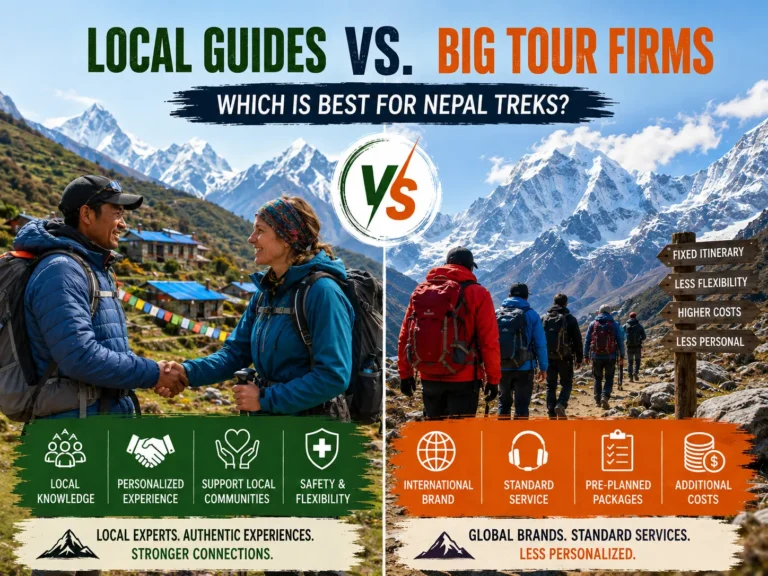
3. Avoid Expensive Package Deals That Limit Flexibility
Many trekking companies offer all-inclusive packages. These include hotels, meals, transport, and guide services.
While this looks simple, it often increases your cost because you pay for fixed services whether you use them or not.
A better option is to:
- Get permits through a local agency
- Hire a guide separately
- Pay for food and accommodation on the trail
This approach gives you full control over your budget.
4. Use Local Transport Instead of Private Options
The journey usually starts from Kathmandu and goes toward villages like Soti Khola or Machha Khola.
Private jeeps are comfortable but expensive. Local buses and shared jeeps cost much less.
Yes, the ride may be longer and less comfortable. But the savings can be significant, especially for budget travelers.
5. Eat Local Food to Manage Daily Spending
Food becomes more expensive as you go higher because everything is carried manually.
One of the best budget strategies is to eat local meals like Dal Bhat.
Dal Bhat is filling, simple, and often comes with free refills. This means you can eat enough without ordering multiple dishes.
In contrast, items like pizza or pasta cost more and do not keep you full for long.
This small choice helps control your daily expenses.
6. Bring Your Own Snacks to Avoid High Prices on the Trail
Snacks like chocolate bars and energy drinks become very expensive in higher villages.
You can avoid this by buying snacks in Kathmandu or bringing them from home.
This helps reduce impulse spending during the trek.
7. Rent Gear in Kathmandu Instead of Buying New Items
Many first-time trekkers spend too much on gear before the trip.
In Kathmandu, you can rent:
- Down jackets
- Sleeping bags
- Trekking poles
Rental shops offer good quality at low prices.
However, you should not rent everything. Always bring:
- Comfortable trekking shoes
- Personal clothing layers
These are important for comfort and safety.
8. Control Hidden Costs That Add Up Daily
Many trekkers underestimate small daily expenses.
These include:
- Charging your phone
- Paying for Wi-Fi
- Taking hot showers
Each cost may seem small, but over two weeks, it adds up.
You can reduce these costs by:
- Carrying a power bank
- Using a local SIM card
- Limiting non-essential services
This helps you stay within budget without affecting your trek.
9. Plan Acclimatization Properly to Avoid Financial Loss
Altitude sickness is a real risk in the Himalayas.
If you rush your trek, you may need to descend or stop early. This leads to wasted money and an incomplete experience.
Adding rest days may seem like an extra cost, but it actually protects your investment.
A slow and steady pace is both safer and more cost-effective.
10. Buy the Right Travel Insurance Without Compromise
Travel insurance is not the place to save money.
High-altitude trekking carries risks. Emergency evacuation by helicopter can cost thousands of dollars.
Make sure your insurance covers trekking above 5,000 meters.
This is one expense that protects you from major financial loss.
Common Budget Mistakes That Most Trekkers Make
Many people spend more than needed because of simple mistakes.
They often:
- Book everything last-minute
- Choose comfort services without thinking
- Ignore daily small expenses
- Buy gear they never use
Avoiding these mistakes can save a large part of your budget.
People Also Ask – Clear Answers for First-Time Trekkers
1. Is the Manaslu Circuit Trek expensive compared to other treks?
It can seem expensive because of permits and guide requirements. But daily costs are often lower than more popular routes, making it balanced overall.
2. Can a beginner complete this trek on a budget?
Yes, but only with proper preparation. Fitness, planning, and pacing are more important than spending extra money.
3. How long does the trek usually take?
Most trekkers complete it in 14 to 18 days. A proper schedule helps avoid health issues and unexpected costs.
4. Is it safe to go budget trekking in this region?
Yes, if you follow the rules, hire a guide, and plan well. Cutting costs should never mean ignoring safety.
Extra Practical Tips That Make a Real Difference
Carry Cash Instead of Relying on Cards
Most villages do not accept cards. Carry enough cash from Kathmandu.
Pack Light but Smart
Heavy bags slow you down and increase fatigue. Carry only what you need.
Respect Local Culture
The region has a strong Tibetan-influenced culture. Being respectful improves your experience and helps you connect with locals.
Key Takeaways
- Budget trekking is about smart choices, not cutting important costs
- Sharing a guide reduces one of the biggest expenses
- Eating local food helps control daily spending
- Renting gear in Kathmandu saves money
- Avoiding private transport lowers travel costs
- Small daily expenses can increase your budget if ignored
- Proper acclimatization protects both health and money
- Travel insurance is essential, not optional
What You Should Do Next
If you are planning the Manaslu Circuit Trek, start by setting a clear budget based on your travel style.
Then focus on the key decisions:
- Choose your travel dates carefully
- Find a reliable guide and share costs
- Plan how you will manage daily expenses
Do not rush into booking everything at once. Take time to understand each cost and where you can save.
This trek is not about spending less. It is about spending wisely.
Once you plan it properly, you can experience one of the most beautiful trekking routes in Nepal without going over budget.