
Rooter Guard knows this better than anyone—no one thinks about their water heater until it stops working. Then suddenly, it becomes a real problem. Cold showers, slow laundry, and a lot of frustration hit all at once.
Here’s something worth knowing: the U.S. Department of Energy says water heating makes up about 18% of a home’s energy use. That’s a big chunk. So when your system isn’t working right, you’re not just uncomfortable—you’re paying more than you should.
If you’re looking for Water Heater Repair Solutions, chances are something already feels off. I’ve seen it a lot, especially with homeowners searching for professional water heater repair in Los Angeles. Same issues keep popping up—and most of them can be fixed if you act early.
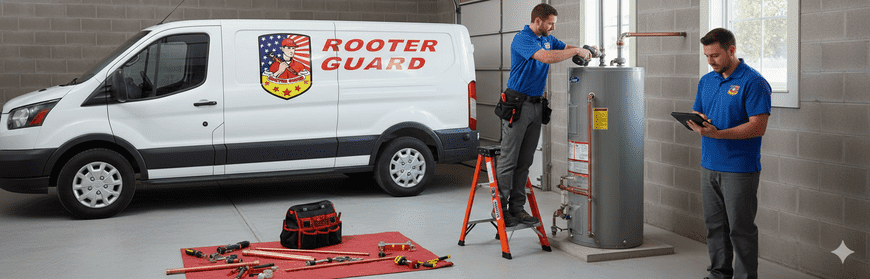
What Are Water Heater Repair Solutions?
Simple answer: fixing what’s broken without jumping straight to replacing the whole unit.
Sometimes it’s small:
- Resetting a breaker
- Adjusting the thermostat
Other times, you’ll need to replace parts or call a pro.
Here’s my take after years of seeing this stuff:
Not every problem needs a new heater—but not every heater is worth saving either.
Why Water Heaters Fail in the First Place
Most water heater issues don’t come out of nowhere. They build up slowly.
Common reasons:
- Hard water is causing mineral buildup
- Parts wear out over time
- Lack of maintenance
- Old systems pushed too far
Honestly, the biggest issue? People ignore early signs.
A small noise today can turn into a full breakdown later.
What Usually Works vs What Often Fails
Let’s keep this honest.
What usually works:
- Regular flushing
- Replacing small parts early
- Fixing issues right away
What often fails:
- Ignoring warning signs
- DIY guessing without knowing the problem
- Waiting until there’s no hot water at all
I’ve seen people turn a simple repair into a full replacement just by waiting too long.
1. No Hot Water at All
Why did the hot water stop?
This is one of the most common problems, and yeah—it feels serious right away. But in many cases, the fix is simpler than people expect.
Typical causes include:
- A tripped breaker
- Power supply issues
- A broken heating element
- Gas supply problems (for gas heaters)
What actually works
Start with the basics before jumping to conclusions:
- Check your breaker panel
- Reset the system
- Look at the pilot light if you have a gas unit
If none of that solves it, the heating element is usually the issue and may need replacement.
My opinion:
If your water heater is over 10 years old and suddenly stops working, it’s often smarter to consider replacing it instead of spending money on repairs that might not last.
2. Water Not Hot Enough
Why is the water only warm?
This issue comes up all the time, and honestly, most people make it more complicated than it needs to be. When your water isn’t getting hot enough, it’s usually due to a few simple reasons:
- Thermostat set too low
- Sediment buildup inside the tank
- A heating element is starting to fail
What works best
Start with the basics:
- Set the temperature between 120 140°F
- Flush the tank to remove buildup
These two steps fix the problem in many cases.
What doesn’t work
Cranking the heat all the way up might feel like a quick fix, but it doesn’t solve the real issue—it only hides it for a while.
3. Water Heater Leaking
Is a leak always serious?
Not always—but you shouldn’t ignore it. Some leaks are small and easy to fix, while others are a sign of a bigger problem. It really depends on where the leak is coming from.
Common sources include:
- Loose valves
- Pipe connections
- Cracks in the tank
What works
Start by checking the simple stuff:
- Tighten any loose fittings
- Replace worn-out or faulty valves
These fixes often solve minor leaks quickly.
What usually fails
If the leak is coming from the tank itself, repairs won’t hold for long.
Honest take:
Trying to patch a leaking tank usually wastes time and money. At that point, replacing the unit is the smarter move.
4. Strange Noises from the Tank
What’s causing that popping sound?
If your water heater sounds like it’s popping or banging, it’s not random. It’s usually caused by sediment buildup inside the tank. Over time, minerals settle at the bottom and trap water underneath. When that trapped water heats up, it creates pressure and makes those loud noises as it tries to escape.
What works
The best fix is simple:
- Flush the tank to remove the sediment
What people do wrong
Most people ignore the noise, thinking it’s normal. It’s not.
And that’s where bigger problems start. That buildup makes your heater work harder and slowly damages the tank over time.
5. Rusty or Dirty Water
Why does the water look brown?
If your hot water looks rusty or dirty, it’s usually a sign that something’s going wrong inside the tank. The most common reasons are:
- Rust forming inside the tank
- A worn-out anode rod that’s no longer protecting it
The anode rod is supposed to take the damage instead of the tank. Once it wears out, the tank starts to corrode.
What works
- Replace the anode rod early before rust spreads
What fails
Waiting too long is the biggest mistake.
Once rust takes over the inside of the tank, there’s no real fix left—at that point, replacing the water heater is the only option.
6. Water Takes Too Long to Heat
Why is heating so slow?
If your water heater is taking forever, it’s usually not random. A few common issues are behind it:
- Old or worn-out heating elements
- Sediment buildup slowing heat transfer
- A heater that’s too small for your current needs
As families grow or usage increases, the system can struggle to keep up.
What works
Start with the basics:
- Replace ageing heating elements
- Flush the tank to remove buildup
These fixes often improve performance right away.
Real talk
If your household uses more hot water than before, no repair will fully fix the issue. In that case, upgrading to a larger unit is the smarter long-term solution.
7. Low Hot Water Pressure
Why is pressure weak?
If your hot water pressure feels weak, it’s usually not a mystery. In most cases, the problem comes from buildup over time. The common causes include:
- Mineral deposits clogging pipes
- Sediment buildup inside the tank or valves
These blockages restrict water flow, which leads to low pressure at your taps and shower.
What works
The best way to fix it is to clear the blockage:
- Clean the system thoroughly
- Flush out sediment from the tank
What doesn’t work
Ignoring the issue won’t help. Low pressure doesn’t fix itself—it usually gets worse over time if you don’t deal with it early.
8. Pilot Light Keeps Going Out
Why won’t it stay lit?
If your pilot light keeps going out, it’s a clear sign that something isn’t right. It might seem like a small issue, but it usually points to a deeper problem. The most common causes are:
- A dirty or worn-out thermocouple
- Problems with gas flow
When the thermocouple isn’t working properly, it shuts off the gas as a safety measure.
What works
- Clean the thermocouple
- Replace it if it’s damaged
What fails
Relighting the pilot again and again without fixing the actual issue doesn’t help. It’s only a temporary fix, and the problem will keep coming back.
9. Water Heater Keeps Turning Off
Why does this keep happening?
If your water heater keeps shutting off, it’s not something to brush off. It usually means the system is trying to protect itself from damage. The most common causes include:
- Overheating inside the unit
- A faulty thermostat
- Electrical issues or loose connections
What works
Start with simple steps:
- Reset the system
- Replace worn or faulty parts
These fixes can solve the issue if caught early.
My judgment
If this keeps happening again and again, don’t ignore it. It’s often a sign of a bigger underlying problem that needs proper attention before it turns into a costly failure.
Quick Comparison: Repair vs Replace
| Situation | Best Option |
| Small part failure | Repair |
| Sediment buildup | Flush |
| Old system (10+ years) | Consider replace |
| Tank leaking | Replace |
| Frequent issues | Replace |
Simple Maintenance That Actually Works
If you want your water heater to last, do this once a year:
- Turn off the power or the gas
- Drain the tank
- Flush out sediment
- Refill and restart
That’s it.
What works: doing it regularly
What fails: skipping it completely
A Real Example
A homeowner ignored the noise coming from their heater. Thought it was normal.
It wasn’t.
Sediment buildup got worse, efficiency dropped, and eventually the tank failed. What could’ve been a simple flush turned into a full replacement.
I’ve seen this happen way too often.
My Honest Opinion After Years of Seeing This
Water heaters don’t fail suddenly. They give signs.
- Strange noises
- Temperature changes
- Small leaks
The problem is, most people ignore these signs.
If I had to say one thing:
Fix small issues early. It saves money and stress.
Conclusion
Water heater problems are frustrating, no doubt about it, but most of the time they’re not as complicated as people think. What really matters is knowing when a repair still makes sense and when you’re just putting money into an old system that’s going to fail again soon. If your unit is still in decent condition and the issue is small, a repair usually does the job. But if it keeps breaking down again and again, replacement is often the smarter and cheaper choice in the long run. From what we’ve seen, catching the problem early always saves time, stress, and money.
FAQs
1. How do I know if I should repair or replace my water heater?
We repair your water heater if it’s a small issue, like a thermostat or heating element. But if it’s over 10 years old, leaking, or breaking often, we recommend replacing it to avoid ongoing costs.
2. How long does a water heater last?
We usually see water heaters last around 8 to 12 years. With regular maintenance, they can last a bit longer, but after 10 years, breakdowns become more common, and repair costs start adding up.
3. Can I fix it myself?
We can handle simple fixes like resetting the system or flushing the tank ourselves. But for electrical parts, gas issues, or leaks, we always recommend calling a professional to avoid damage or safety risks.
4. Why is my water heater making noise?
We usually find that noise comes from sediment buildup inside the tank. It traps water and causes popping sounds when heating. A quick flush often fixes it, but ignoring it can damage the heater over time.
5. How often should I maintain it?
We recommend maintaining your water heater at least once a year. A simple flush and quick check can prevent buildup, improve performance, and help avoid costly repairs later.