According to the United States Environmental Protection Agency, household leaks waste nearly 1 trillion gallons of water every year in the United States. That number is wild when you think about it. And most homeowners do not even notice the leak until water stains show up or the cabinet starts smelling strange.
At Rooter Guard, we have seen tiny kitchen plumbing issues become expensive repairs simply because someone waited too long. If you are searching for a trusted plumber in Santa Monica, our team handles kitchen plumbing repairs that actually solve the problem instead of putting a temporary bandage over it.
Personally, I think kitchen plumbing is one of those things homeowners should never ignore. A squeaky cabinet door can wait. A leaking pipe usually cannot.
Why Kitchen Plumbing Problems Get Worse So Quickly
The kitchen is one of the busiest places in the house. The sink runs constantly. Grease goes down drains. Food scraps pile up. Pipes deal with pressure changes all day long.
That is why kitchen plumbing problems usually do not stay “small” for very long.
What often fails is the homeowner trying a quick internet fix. Pouring random chemicals down the drain or tightening pipes without knowing the actual issue usually makes things worse. What usually works is finding the real source of the problem early.
That is exactly what our plumbers do.
1. Hidden Leaks Cause More Damage Than Most People Expect
Small leaks are sneaky. They drip slowly behind cabinets or under sinks where nobody notices them for weeks or even months.
By the time you finally see the damage, it is already expensive.
Signs You Might Have a Hidden Leak
- Musty smells under the sink
- Water stains on cabinets
- Soft flooring near the kitchen
- Mold spots
- Higher water bills
A lot of homeowners ignore these signs because the sink still “works.” That is usually the mistake.
Think about it like a slow toothache. You can ignore it for a while, but eventually it becomes a much bigger problem.
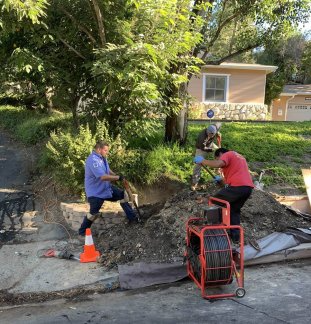
At Rooter Guard, we use leak detection equipment to find the issue fast before your kitchen turns into a water damage project.
2. Kitchen Drain Clogs Rarely Fix Themselves
This is probably the most common kitchen plumbing issue we see.
People pour grease, oil, coffee grounds, and food scraps down the drain for years. Then one day, the sink suddenly stops draining.
What Usually Fails
Chemical drain cleaners.
Honestly, most store-bought drain cleaners are not great long-term. Sometimes they create a tiny opening in the clog, but the buildup stays inside the pipe. On older pipes, those chemicals can even cause damage.
What Usually Works
Professional drain cleaning tools like:
- Hydro jetting
- Drain snakes
- Camera inspections
These methods actually clear the blockage instead of temporarily hiding the problem.
A kitchen drain should flow smoothly. If water sits in the sink for more than a few seconds, something is already building up inside the pipe.
3. Garbage Disposal Problems Can Get Dangerous
Garbage disposals are useful, but people honestly expect too much from them.
They are not designed to handle everything.
Common Things That Damage Garbage Disposals
- Grease
- Bones
- Eggshells
- Fibrous vegetables
- Metal objects accidentally dropped inside
One thing I always tell homeowners is this: if the disposal sounds strange, do not keep running it, hoping the noise disappears. That usually ends badly.
What often works is shutting the unit off immediately and getting it inspected before the motor burns out completely.
Sometimes a disposal only needs a repair. Other times, replacement makes more sense, especially if the unit is older and constantly jamming.
4. Water Damage Gets Expensive Fast
A small kitchen leak can quietly damage flooring, drywall, and cabinets for months.
According to the Insurance Information Institute, water damage is one of the most common homeowners’ insurance claims in the country.
And honestly, kitchen water damage repairs are rarely cheap.
What Happens When Leaks Are Ignored
- Cabinets swell and warp
- Mould starts growing
- Floors become soft
- Paint bubbles appear
- Wood structures weaken
One homeowner waited months to repair a tiny pipe leak under the sink because it “did not look serious.” Eventually, the cabinet flooring collapsed from water damage.
That repair cost way more than fixing the pipe early would have.
5. Low Water Pressure Usually Means Something Is Wrong
Low water pressure in the kitchen is frustrating. Washing dishes takes longer. Filling pots feels slow. The faucet barely rinses anything properly.
A lot of people assume low pressure is normal in older homes. Sometimes it is not.
Common Causes of Low Water Pressure
- Pipe corrosion
- Mineral buildup
- Hidden leaks
- Faucet problems
- Valve issues
Think of it like drinking through a straw with something stuck inside it. Water still comes through, just very slowly.
What usually works is having the plumbing system inspected properly instead of replacing random faucet parts, hoping the issue disappears.
6. Plumbing Problems Can Affect Water Quality
This part gets overlooked all the time.
Your kitchen plumbing directly affects the water you drink and cook with every day.
Warning Signs of Water Quality Problems
- Brown water
- Metallic taste
- Strange smells
- Cloudy water
Older pipes sometimes release rust or sediment into the water supply. In some cases, bacteria buildup inside drains can also create unpleasant smells.
Personally, I think homeowners should pay closer attention to water quality changes. If water suddenly smells weird or changes colour, something inside the plumbing system is usually going on.
Ignoring it rarely helps.
7. DIY Plumbing Repairs Often Become Bigger Problems
I understand why homeowners try DIY plumbing repairs. Everyone wants to save money.
But honestly, kitchen plumbing is one area where bad repairs usually create bigger bills later.
What Often Fails With DIY Repairs
- Overtightened pipe fittings
- Wrong replacement parts
- Missed hidden leaks
- Temporary patch jobs
- Incorrect installations
One of the biggest mistakes people make is fixing only the visible symptom.
For example, clearing a clog without checking why the clog keeps happening.
What Usually Works Better
Professional repairs that solve the actual root problem.
At Rooter Guard, we inspect the full plumbing system so homeowners are not dealing with the same issue again a month later.
8. Plumbing Emergencies Never Happen at Convenient Times
Kitchen plumbing emergencies always seem to happen late at night, during holidays, or right before family visits.
A burst pipe or overflowing sink can create serious damage within minutes.
Plumbing Emergencies Include
- Burst pipes
- Overflowing sinks
- Major leaks
- Sewer backups
- No running water
What usually works in emergencies is acting quickly. What often fails is waiting until morning hoping the leak slows down on its own.
Water spreads fast. The sooner repairs happen, the less damage your home suffers.
Common Kitchen Plumbing Problems Homeowners Ignore
Some plumbing issues seem harmless, but usually turn into bigger repairs later.
Dripping Faucets
Small drips waste more water than people realise.
Slow Drains
Slow drainage almost always means buildup is growing inside the pipes.
Bad Smells
Kitchen odours often point to trapped food, grease buildup, or drain issues.
Noisy Pipes
Banging pipes can signal pressure problems or loose plumbing connections.
Honestly, if something in your kitchen plumbing feels “off,” it is usually worth checking early.
Why Homeowners Choose Rooter Guard
At Rooter Guard, we focus on honest plumbing repairs that actually last.
We do not believe in quick patch jobs that fail a few weeks later. Our goal is to fix the real issue so homeowners can stop stressing about their kitchen plumbing.
What Homeowners Usually Like About Our Service
- Fast response times
- Clear communication
- Experienced plumbers
- Long-term repairs
- Friendly service
- Honest recommendations
Good plumbing work should give homeowners peace of mind, not more problems later.
Conclusion
Kitchen plumbing problems can quickly become expensive if they are ignored for too long. At Rooter Guard, we help homeowners fix clogged drains, leaking pipes, garbage disposal issues, and low water pressure before the damage spreads. Our experienced plumbers provide reliable kitchen plumbing repairs that keep your sink, pipes, and drains working properly. Small problems often lead to larger repairs, which is why fast service matters. Whether you need emergency plumbing help or routine kitchen repairs, our team is ready to deliver honest solutions and long-lasting results. We focus on quality workmanship, quick response times, and dependable service that homeowners across the USA can trust.
FAQ
How do I know if my kitchen plumbing needs repair?
If your kitchen sink drains slowly, leaks under the cabinet, smells bad, or has low water pressure, it may be time for our professional kitchen plumbing repair service.
Are chemical drain cleaners safe?
Chemical drain cleaners may clear small clogs, but repeated use can damage pipes over time. We recommend professional drain cleaning for safer and longer-lasting kitchen plumbing repairs.
Why does my kitchen sink keep clogging?
Your kitchen sink may keep clogging because of grease buildup, food scraps, soap residue, or blocked pipes. Our kitchen plumbing repair service helps remove stubborn clogs safely and completely.
Can a small leak really cause major damage?
Yes, even a small kitchen leak can lead to mould, damaged cabinets, warped flooring, and costly repairs over time. Fast plumbing repairs help prevent bigger home damage later.
How often should kitchen plumbing be inspected?
We recommend kitchen plumbing inspections every 1–2 years to catch leaks, drain clogs, and pipe damage early. Regular checks help prevent costly plumbing repairs and water damage.