
Most homeowners do not spend much time thinking about their septic system. We get it. If the toilets flush and the sinks drain, it is easy to forget the tank is even there. But the truth is, septic problems usually start quietly and get worse over time. By the time you notice something is wrong, the repair bill can already be expensive. That is one reason many homeowners schedule septic pumping in Huntersville before problems start. According to the U.S. Environmental Protection Agency (EPA), regular septic maintenance helps lower the risk of system failure and groundwater contamination. We have seen this firsthand. A simple pumping appointment often costs much less than fixing a major septic problem later. In this guide, we are breaking down the Costly Problems Regular Septic Pumping can help prevent and why staying ahead of maintenance usually saves homeowners money, stress, and frustration.
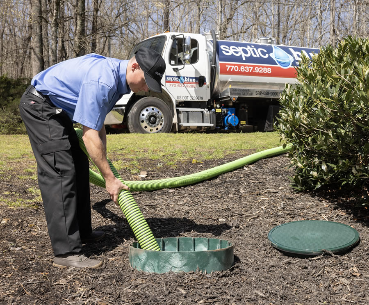
Why Regular Septic Pumping Matters
Your septic system handles a lot every day. Every shower, toilet flush, load of laundry, and sink drain adds wastewater to the tank.
Inside the tank, solids settle at the bottom while liquids move through the system. Over time, those solids build up. If they are not removed, the tank can become overloaded.
This is where trouble begins.
One thing we often notice is that homeowners wait until something feels urgent. Unfortunately, septic systems rarely give second chances. Small warning signs can quickly turn into bigger and more expensive repairs.
What usually works best is staying on a regular pumping schedule.
What often fails is waiting until there is already a mess.
1. Sewage Backups Inside Your Home
Why does sewage back up?
Nobody wants wastewater coming back into the house. It is messy, stressful, and expensive to clean up.
Most backups happen when the septic tank becomes too full. Waste builds up inside until wastewater no longer flows correctly.
Eventually, it starts moving in the wrong direction.
Usually, homeowners notice warning signs first:
- Toilets flushing slowly
- Water draining slowly
- Gurgling sounds in pipes
- Strange odours from sinks or drains
A mistake many people make is brushing these signs off.
It is easy to think, “Maybe it will go away.”
Most of the time, it does not.
We usually recommend acting early because a simple pumping appointment is much easier to deal with than a house cleanup after a sewage backup.
2. Drain Field Problems
Why is drain field damage expensive?
Your drain field plays a big role in keeping your septic system working.
After wastewater leaves the tank, it moves into the soil, where natural filtering happens. When everything works correctly, you never notice it.
But if solid waste escapes the tank because pumping gets delayed, the drain field can clog.
Think about pouring muddy water through a coffee filter every day. Eventually, the filter stops working.
That same thing can happen underground.
Common warning signs include:
- Wet spots in the yard
- Standing water
- Sewage smells outdoors
- Grass is growing much greener in one area
Drain field repairs can become expensive fast.
In our experience, this is one of the biggest reasons homeowners regret putting maintenance off too long.
3. Septic Tank Damage
Can the tank itself get damaged?
Yes, and many homeowners are surprised by this.
A septic tank is built to last, but it still needs care.
When solid waste sits inside for too long, it can put stress on the system. Older tanks may weaken, crack, or corrode over time.
We have seen homeowners skip maintenance for years because “everything seemed fine.”
Then suddenly, they are dealing with costly repairs.
Our honest opinion? Routine maintenance is always the smarter option.
Paying for pumping every few years feels much easier than paying for a damaged tank later.
4. Bad Smells Around the Property
Why does my yard smell like sewage?
Your property should not smell bad.
A working septic system normally stays out of sight and out of mind.
If strong odours suddenly appear near the backyard, driveway, or even inside the house, it is often a sign that something is wrong.
You may notice smells near:
- Outdoor septic lids
- Bathroom drains
- Kitchen sinks
- Wet spots in the yard
One thing that often fails is trying to hide the smell with cleaners or sprays.
That usually covers the issue for a few hours, not the actual problem.
What usually works is checking whether the tank needs pumping.
We often find that homeowners dealing with strong odours simply wait too long for maintenance.
5. Slow Drains Throughout the House
Why are all my drains suddenly slow?
Slow drains do not always mean a plumbing issue.
Sometimes the real problem starts underground.
When septic tanks become overloaded, wastewater struggles to move through the system. This slows everything down.
You might notice:
- Toilets flushing slowly
- Showers draining slowly
- Water sitting in sinks
- Strange bubbling noises
If multiple drains slow down at once, there is a good chance the septic system is involved.
Here is what usually works:
- Reduce water use for a short time
- Watch for odours or standing water
- Avoid chemical drain cleaners
- Schedule a septic inspection
We are not big fans of harsh drain chemicals because they often do not solve the real issue.
In some cases, they may even upset the balance inside the tank.
6. Yard Damage and Groundwater Issues
Can septic problems damage the yard?
Absolutely.
And this part surprises homeowners all the time.
A failing septic system can leak untreated wastewater into the surrounding soil. This may damage landscaping and create unhealthy conditions around the property.
According to the EPA, untreated wastewater can contain bacteria and harmful contaminants.
Signs of trouble may include:
- Wet or soggy grass
- Foul smells outside
- Muddy areas during dry weather
- Unusual lawn growth
We have seen homeowners assume they had drainage problems, only to find out the septic system was leaking underground.
Honestly, this is one issue we would not ignore.
Small septic problems often become bigger property problems if left alone.
7. Emergency Repairs That Cost Much More
Why are emergency septic repairs expensive?
Emergency repairs almost always cost more than preventive maintenance.
It works the same way car repairs do.
Skipping oil changes might save money today, but major repairs later cost much more.
Septic systems work the same way.
Emergency problems may involve:
- Tank repair
- Pipe replacement
- Cleanup services
- Drain field repair
- Yard excavation
Nobody likes surprise repair bills.
And somehow, septic problems always seem to happen at the worst possible time.
Weekend guests. Holidays. Family gatherings.
That is usually how it goes.
Our honest opinion? Preventive maintenance wins every time.
It may not feel exciting, but it almost always costs less in the long run.
What Usually Helps Keep Septic Systems Healthy?
Simple habits often make a big difference.
Stay on a pumping schedule
Most households need septic pumping every 3 to 5 years, depending on family size and water use.
Larger homes often need more frequent service.
Watch what goes down the drain
Avoid flushing:
- Wipes
- Grease
- Feminine products
- Paper towels
- Harsh chemicals
Even products labelled “flushable” can create problems.
Avoid overloading the system
Too much water at once puts pressure on the septic system.
Spacing laundry loads out during the week usually works better than doing everything in one day.
Small habits matter more than people think.
Why Homeowners Choose Us
We believe septic maintenance should be simple, honest, and stress-free.
Whether homeowners need inspections, pumping, or routine service, we focus on helping prevent expensive surprises before they start.
We know septic problems can feel overwhelming, especially when homeowners are not sure what is causing the issue. That is why we focus on clear answers and dependable service that helps protect homes long-term.
Conclusion
Septic problems usually start small, but they rarely stay that way. Slow drains, bad smells, or wet spots in the yard are often signs your system needs attention. We believe staying ahead of septic issues is always better than dealing with expensive repairs later. Regular septic pumping helps us protect your home, avoid messy backups, and keep everything working the way it should. In our experience, homeowners who stay on top of maintenance deal with fewer surprises and lower repair costs over time. If you want to avoid the Costly Problems Regular Septic Pumping can prevent, keeping up with routine service is one of the smartest steps you can take for your property and peace of mind.
FAQ
How often should a septic tank be pumped?
We usually recommend septic tank pumping every 3–5 years, but it depends on your household size and water use. Regular service helps us prevent costly septic problems early.
What are the signs that a septic tank is full?
Common signs of a full septic tank include slow drains, bad smells, gurgling toilets, wet spots in the yard, or sewage backups. We recommend service before problems get worse.
Can septic pumping help avoid repairs?
Yes, regular septic pumping helps us prevent backups, drain field damage, and costly repairs by removing waste before it causes bigger problems in your system.
Are septic additives enough?
No, septic additives alone are usually not enough. We recommend regular pumping because additives cannot remove solid waste that builds up inside the tank over time.
Is regular septic maintenance worth it?
Yes, regular septic maintenance is worth it. We help homeowners avoid costly repairs, prevent backups, and keep septic systems working properly for years.