
Did you know that heating up water is the second-biggest energy hog in your home? According to data from the U.S. Department of Energy, it burns through roughly 18% of your residential utility bills. So when your morning shower suddenly turns ice-cold, it is a massive headache that disrupts your entire routine. If your system is acting up, getting professional water heater repair in Killeen is the smartest way to fix it before a tiny drip turns into a mini backyard pool inside your closet.
At Mr Rooter Plumbing of Killeen, we see the exact same breakdowns day after day. Some fixes are simple afternoon tweaks, while others mean it’s time to say goodbye to the tank. Here is my honest breakdown of the nine most common issues we tackle, what actually works, and what is usually a total waste of time.
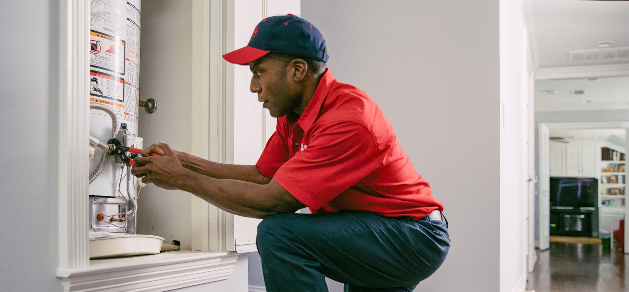
1. The Water is freezing cold.
Why is there no hot water at all?
When your water goes completely cold, the primary heat source is dead. On gas units, the pilot light usually blew out, or the thermocouple—the little safety sensor that detects the flame—died. If that sensor fails, it shuts off the gas supply completely so your house doesn’t fill up with dangerous fumes.
On electric units, it is almost always a tripped circuit breaker or a fried heating element. Think of the element like a wire inside a kitchen toaster. If that wire burns out and snaps, you aren’t getting toast, and you definitely aren’t getting a hot shower.
- What usually works: Swapping out a bad thermocouple or replacing an electric element. These are quick, affordable parts that fix the problem instantly.
- What fails: Trying to repeatedly reset a tripped breaker without replacing the bad element inside the tank. It will just keep tripping because water is shorting out the electrical connections.
2. You Keep Running Out of Hot Water Too Fast
Why does the hot water finish so quickly?
If your shower starts out great but goes lukewarm within five minutes, you are likely dealing with a broken dip tube or heavy sediment buildup.
The dip tube is just a long plastic straw that pushes incoming cold water down to the bottom of the tank to get heated. If it cracks or snaps off, cold water stays at the top and mixes right into your shower stream. The other culprit is mineral buildup taking up all the physical space at the bottom of the tank, leaving less room for actual hot water.
- What usually works: Replacing a broken dip tube. It is a simple part that restores proper water flow immediately.
- What fails: Ignoring the issue and just taking faster showers. The problem will only get worse as the space inside the tank shrinks.
3. Strange Noises Coming from the Tank
What causes popping, rumbling, or banging sounds?
If your water heater sounds like a ghost is trapped inside trying to hammer its way out, do not panic. It is not going to explode right this second, but it is screaming for help.
When hard water minerals sit at the bottom of the tank, they form a thick, rocky crust. Water gets trapped under that rock layer, boils, and turns to steam. That loud popping sound is just steam bubbles bursting through the crust.
- What usually works: A deep, professional power flush to break up and wash out the rocky gunk.
- What fails: Doing a weak, lazy drain using a garden hose without any water pressure. It leaves all the heavy rocks behind.
4. Discoloured or Rusty Water
Why is brown or muddy water coming out of the tap?
Rusty water is bad news. If it only happens when you turn on the hot tap, your tank is rusting from the inside.
Every water heater has an anode rod that helps prevent the tank from rusting. In our experience, replacing this part every few years can significantly extend the system’s lifespan. Ignoring it is one of the most common causes of early water heater failure.
- What usually works: Changing the anode rod early, before the water turns brown.
- What fails: Trying to flush a tank that is already throwing out heavy rust chunks. Once the actual tank walls are rusting, the metal is thin, and the clock is ticking.
5. Foul-Smelling Water (Rotten Egg Odour)
Why does my hot water smell like sewage?
If your hot water smells like rotten eggs, you have a bacterial infestation inside the tank.
Don’t worry, it won’t make you sick, but it smells awful. Certain harmless bacteria love warm, dark tanks. They feed on the hydrogen gas created by your anode rod and turn it into stinky hydrogen sulphide gas.
- What usually works: Flushing the system and treating it with a professional chlorine bleach sanitise cycle, then switching to a zinc-aluminium anode rod.
- What fails: Just turning up the temperature dial. It rarely gets hot enough to kill all the bacteria hiding in the sediment at the bottom.
6. Water Leaking from the Top of the Unit
Where is the water on top of the heater coming from?
Water on top of the tank is usually a mechanical issue, which is great news because it means the tank itself is probably fine.
It usually comes from a loose pipe connection or a failing temperature and pressure (T&P) relief valve. That valve is a safety switch designed to weep water if the tank gets too hot or builds up too much pressure. If it gets old and crusty, it will start leaking nonstop.
- What usually works: Tightening the pipe fittings or swapping out the old T&P valve for a fresh one.
- What fails: Slapping plumbing tape or epoxy putty over a leaking safety valve. That is incredibly dangerous because it blocks a vital safety feature.
7. Water Pooling at the Base of the Tank
Is a puddle at the bottom a sign of a broken tank?
A puddle around the bottom of your water heater is the ultimate warning sign.
Sometimes it is just water dripping down from a leaky valve above. But if the water is oozing directly out from the bottom metal jacket of the heater, the internal glass-lined steel tank has cracked open from old age or stress.
- What usually works: Getting a new water heater installed.
- What fails: Trying to weld, patch, or use leak-seal liquids on a cracked tank. The intense pressure inside a water heater will rip right through any patch job within hours.
8. Low Hot Water Pressure
Why is the hot water pressure lower than the cold water pressure?
If your cold water blasts out like a fire hose but your hot water is just a weak trickle, your pipes are choked out.
Because heat makes minerals crystallise faster, scale builds up heavily inside the hot water outlet pipe. It acts exactly like a clogged artery, narrowing the pathway until water can barely squeeze through.
- What usually works: Disconnecting the plumbing lines and cleaning or replacing the clogged pipe nipples at the top of the heater.
- What fails: Turning up the water pressure valve on your main line. It won’t clear the blockage; it just puts extra stress on your other pipes.
9. Fluctuating Water Temperatures
Why does the water go from hot to cold repeatedly?
Getting blasted with ice water mid-shower is deeply frustrating.
On traditional tanks, this is usually caused by a failing thermostat. Tanks have an upper and a lower thermostat. If one goes haywire, the elements heat water erratically. On tankless units, it happens if your showerhead uses too little water, causing the computer to think no one is using the shower, so it shuts off the burner.
- What usually works: Replacing the faulty thermostat or cleaning the flow sensor on a tankless unit.
- What fails: Constantly cranking the shower handle back and forth. You are just chasing a problem that lives inside the closet, not the bathroom.
Conclusion
Water heater problems never get better on their own. They just sit in the dark, getting worse until you end up with a ruined floor and an expensive emergency cleanup bill. Whether your tank is playing a drum solo in the garage or your showers are turning icy, getting it looked at early will always save you money in the long run. If your hot water is acting crazy, give our team at Mr Rooter Plumbing of Killeen a call. We will give you a straight answer and get your showers hot again.
Frequently Asked Questions (FAQ)
How long does a standard water heater last?
Most tank water heaters last 8 to 12 years. If yours is over 10 years old and showing signs of trouble, replacement may be the better option.
Can I flush my water heater myself?
Yes, but heavy sediment buildup can create problems. If the tank has not been serviced in years, professional help is often recommended.
What temperature should my water heater be set to?
Setting your water heater to 120°F (49°C) provides reliable hot water, improves efficiency, and helps reduce the risk of scalding.
Why is my water heater making strange noises?
Popping or rumbling sounds are usually caused by sediment buildup inside the tank. Flushing the system may help restore normal operation.
When should I schedule water heater repair?
Call for service if you notice leaks, rusty water, inconsistent temperatures, unusual noises, or a lack of hot water in your home.