The Everest Base Camp Trek is one of the world’s most rewarding hiking adventures, but it is also physically demanding and takes careful planning. Many trekkers arrive in Nepal excited but make simple mistakes that lead to altitude sickness, injuries, unnecessary expenses, or even having to turn back before reaching Everest Base Camp. This guide explains the most common mistakes people make, why they happen, and how you can avoid them. Whether it is your first Himalayan trek or your fifth, understanding these challenges before you start can help you enjoy a safer, smoother, and more memorable journey.
Quick Overview: 10 Mistakes That Can Affect Your Everest Base Camp Trek
| Mistake | Why It Happens | How to Avoid It |
| Going too fast | Trying to reach the destination quickly | Follow a proper itinerary with acclimatization days |
| Ignoring altitude sickness | Not recognizing early symptoms | Learn AMS symptoms and descend if needed |
| Packing too much | Bringing unnecessary clothing and gear | Pack only essential items |
| Wearing new or unsuitable boots | Poor preparation before the trek | Break in your boots several weeks before departure |
| Not training before the trek | Underestimating the physical challenge | Build stamina through regular hiking and cardio |
| Drinking too little water | Cold weather reduces thirst | Stay hydrated throughout the day |
| Skipping travel insurance | Trying to reduce costs | Buy insurance that covers helicopter evacuation |
| Choosing the cheapest trek | Focusing only on price | Select an experienced and trusted trekking company |
| Ignoring weather conditions | Assuming mountain weather stays stable | Stay flexible and monitor forecasts |
| Forgetting to enjoy the experience | Focusing only on reaching Base Camp | Slow down and enjoy the journey |
Quick Answer: Most problems on the Everest Base Camp Trek are preventable. A realistic itinerary, proper acclimatization, good fitness, suitable gear, and trekking with an experienced company greatly improve your chances of reaching Everest Base Camp safely.
Why Even Experienced Trekkers Make Mistakes on the Everest Base Camp Trek
Every year, thousands of people from around the world complete the Everest Base Camp Trek. Many have never climbed a mountain before. At the same time, hundreds of trekkers have to end their journey early because of avoidable mistakes rather than a lack of determination.
One of the biggest misunderstandings is thinking the trek is only about physical fitness. While being fit certainly helps, reaching Everest Base Camp depends on much more than strength. The trail climbs from Lukla at about 2,860 meters (9,383 feet) to Everest Base Camp at 5,364 meters (17,598 feet). As you gain altitude, the amount of oxygen in the air decreases, making even simple activities feel harder. Your body needs time to adjust, and no amount of gym training can replace proper acclimatization.
Many trekkers also underestimate how quickly weather can change in the Himalayas. A clear morning may turn into snow, rain, or strong winds by afternoon. Flights to and from Lukla are often delayed because mountain weather changes rapidly, which is why adding a few extra days to your travel schedule is always recommended.
Understanding these common challenges before your trek gives you a much better chance of enjoying the journey all the way to Everest Base Camp.
1. Trying to Reach Everest Base Camp Too Quickly
The excitement of finally trekking in the Himalayas often makes people want to move faster than their bodies can safely handle. This is one of the biggest reasons trekkers fail to complete the Everest Base Camp Trek.
As you climb higher each day, oxygen levels gradually decrease. Your body responds by making changes such as increasing your breathing rate and producing more red blood cells. These adjustments take time. If you climb too high too quickly, your body cannot keep up, increasing the risk of Acute Mountain Sickness (AMS).
A well-planned Everest Base Camp itinerary usually includes acclimatization days in places like Namche Bazaar and Dingboche. These are not rest days where you stay in bed. Instead, they involve short hikes to higher elevations before returning to sleep at a lower altitude. This “climb high, sleep low” approach helps your body adapt more effectively.
Some trekkers choose shorter itineraries to save vacation time or reduce costs. While this may seem attractive, it significantly increases the chance of altitude-related problems. Spending an extra day adjusting to the altitude is far better than ending your adventure halfway through the trek.
An experienced trekking company plans daily walking distances, overnight stops, and acclimatization carefully based on years of guiding experience. Following a well-designed itinerary gives you a much better chance of reaching Everest Base Camp safely while enjoying the journey instead of rushing through it.
2. Ignoring the Early Signs of Altitude Sickness
Altitude sickness is one of the most important health risks during the Everest Base Camp Trek. The good news is that it usually gives early warning signs before becoming serious. The problem is that many trekkers ignore these symptoms because they are determined to continue climbing.
The most common early symptoms include a persistent headache, loss of appetite, nausea, unusual tiredness, dizziness, and difficulty sleeping. These signs may seem minor at first, but they should never be dismissed. Continuing to gain altitude without allowing your body to recover can lead to more dangerous conditions such as High Altitude Pulmonary Edema (HAPE) or High Altitude Cerebral Edema (HACE), both of which require immediate medical attention.
A common mistake is assuming that drinking more coffee, taking painkillers, or pushing through discomfort will solve the problem. While a painkiller may temporarily reduce a headache, it does not treat altitude sickness itself. The safest response is to stop ascending, rest, monitor your symptoms, and descend if they worsen.
Professional trekking guides regularly check trekkers for altitude-related symptoms because they understand that early action prevents emergencies. Honest communication with your guide is essential. Hiding symptoms because you do not want to slow down the group can put both your health and your entire trek at risk.
Remember that reaching Everest Base Camp is optional, but returning home healthy is not. Listening to your body is always the smarter decision.
3. Packing Too Much Instead of Packing Smart
Many first-time trekkers believe they need to prepare for every possible situation, so they fill their bags with extra clothing, gadgets, and items they never actually use. At the same time, this may seem like good preparation; carrying unnecessary weight makes every uphill section more tiring and can reduce your overall enjoyment of the trek.
A typical porter on the Everest Base Camp Trek carries luggage for two trekkers, with a recommended combined weight limit of around 20 kilograms. That means each trekker should generally aim to keep their duffel bag within about 10 kilograms. Anything beyond that becomes harder to manage and may require additional porter support.
The key is choosing versatile gear rather than packing more of everything. Layered clothing works much better than several heavy jackets because you can easily adjust to changing temperatures throughout the day. Quick-drying shirts, thermal base layers, a quality down jacket, waterproof outerwear, and a few pairs of hiking socks are usually enough for the trek.
Many tea houses also offer laundry services at lower elevations, allowing you to rewear clothing instead of packing a fresh outfit for every day.
A useful way to decide whether something belongs in your backpack is to ask yourself, “Will I use this several times during the trek?” If the answer is no, leave it behind. A lighter backpack means less strain on your knees, better balance on uneven trails, and more energy to enjoy the incredible scenery around you.
4. Wearing New or Poorly Fitted Hiking Boots
Your hiking boots are the most important piece of gear on the Everest Base Camp Trek. The trail covers roughly 130 kilometers (about 80 miles) round trip, with rocky paths, uneven stone steps, suspension bridges, and long uphill and downhill sections. If your boots do not fit properly, every step becomes harder, and small problems can quickly turn into painful injuries.
One of the biggest mistakes first-time trekkers make is buying new hiking boots just before flying to Nepal. Even high-quality boots need time to mold to your feet. Wearing them for the first time on the trail often leads to blisters, pressure points, sore toenails, and foot pain that can affect the rest of the trek.
A better approach is to buy your boots several weeks before your trip and wear them on regular walks or day hikes. This helps soften the material and allows you to identify any areas that rub against your feet. If you notice discomfort during training, you still have time to adjust the fit or choose another pair.
Your boots should provide good ankle support without feeling too tight. There should also be enough room at the front for your toes, especially during downhill sections when your feet naturally slide forward. Wearing moisture-wicking hiking socks instead of regular cotton socks can also reduce friction and help prevent blisters.
Good boots will not make the trek easy, but poorly fitted boots can make even a well-planned adventure miserable.
5. Underestimating the Physical Preparation Needed
Many people hear that the Everest Base Camp Trek is “non-technical” and assume almost anyone can complete it without training. While you do not need climbing experience or mountaineering skills, you do need enough endurance to walk for several hours a day at increasing altitudes.
Most trekking days involve 5 to 7 hours of walking, with some days taking even longer depending on weather and trail conditions. As you climb higher, your pace naturally slows because there is less oxygen available. Activities that feel easy at sea level become much more demanding above 4,000 meters (13,123 feet).
The best preparation starts at least two to three months before your trek. Focus on building cardiovascular fitness through brisk walking, hiking, cycling, swimming, or jogging. Adding stair climbing is especially helpful because it closely matches the uphill sections of the Everest trail. Strength exercises for your legs and core also improve balance and reduce fatigue on uneven ground.
Fitness alone does not guarantee success, but it gives your body a stronger foundation to handle long trekking days. Just as importantly, practice walking with a backpack similar to the one you will carry in Nepal. This helps your shoulders and back adjust before the trek begins.
Think of training as making your journey more enjoyable rather than simply making it possible. When your body is prepared, you can spend more time appreciating the mountains, villages, and local culture instead of focusing only on the next uphill climb.
6. Not Drinking Enough Water During the Trek
Staying hydrated is one of the simplest ways to support your body at high altitude, yet many trekkers accidentally drink less water than they should. Cold temperatures reduce the feeling of thirst, making it easy to forget that your body is still losing fluids throughout the day.
High altitude also causes faster breathing, which means you lose more moisture every time you exhale. Physical activity, dry mountain air, and strong sunlight increase fluid loss even further. Even mild dehydration can make headaches, tiredness, and altitude sickness symptoms feel worse.
A good habit is to drink small amounts of water regularly instead of waiting until you feel thirsty. Many experienced guides encourage trekkers to carry a reusable water bottle or hydration bladder and refill it whenever possible. Since untreated water should not be consumed, purification tablets, portable water filters, or boiled water from tea houses are commonly used during the trek.
Your urine color can be a useful indicator of hydration. Pale yellow usually means you are drinking enough, while darker urine often suggests you need more fluids.
Some trekkers avoid drinking because they do not want frequent bathroom breaks in cold weather. However, the short-term inconvenience is far better than dealing with dehydration or worsening altitude symptoms.
Warm drinks such as herbal tea or ginger tea can also help increase your fluid intake while providing comfort after a long day of hiking. The goal is not simply drinking more water but maintaining steady hydration throughout the trek.
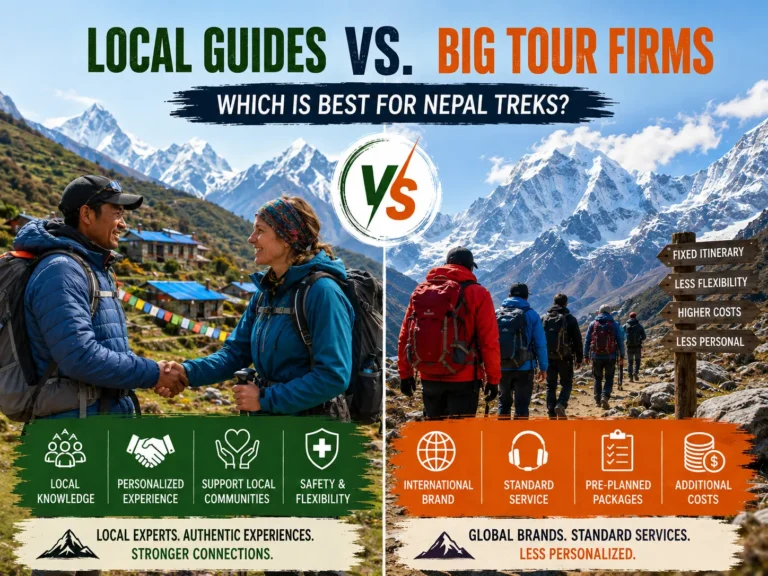
7. Choosing the Cheapest Trek Instead of the Right Trek
Budget is an important part of travel planning, but choosing an Everest Base Camp Trek based only on the lowest price can lead to unexpected problems. A cheaper package may leave out services that become very important once you are in the mountains.
Some low-cost itineraries exclude experienced guides, licensed porters, airport transfers, accommodation upgrades, or emergency support. Others use rushed itineraries with fewer acclimatization days to reduce operating costs. While the price may look attractive at first, these compromises can affect both your comfort and your safety.
Instead of comparing only the final cost, look closely at what is included. Ask questions such as:
- Is the guide licensed and experienced in the Everest region?
- Does the itinerary include proper acclimatization days?
- Are permits, domestic flights, and accommodation included?
- What happens if flights are delayed due to weather?
- Is emergency assistance available if needed?
An experienced trekking company also provides valuable local knowledge that cannot be measured by price alone. Guides often recognize early signs of altitude sickness, help manage changing weather conditions, and adjust the daily pace based on the group’s condition.
For many travelers, the Everest Base Camp Trek is a once-in-a-lifetime experience. Choosing a reliable operator gives you peace of mind and allows you to focus on enjoying the journey rather than worrying about logistics.
If you are planning your adventure, Nepal Hiking Team offers professionally guided Everest Base Camp Trek itineraries with experienced local guides, carefully planned acclimatization schedules, and comprehensive support from arrival in Nepal until the trek is complete. Choosing a trusted local company can make a significant difference in both safety and overall experience.
8. Skipping Travel Insurance and Emergency Planning
Many trekkers purchase flights, gear, and trekking packages but overlook one of the most important parts of trip planning – travel insurance that covers high-altitude trekking.
Although most Everest Base Camp treks are completed safely, mountains are unpredictable. Severe altitude sickness, injuries from slips or falls, or sudden medical conditions may require emergency evacuation. In many cases, helicopter evacuation is the fastest and safest option, but it can be extremely expensive without proper insurance.
Before purchasing a policy, read the details carefully. Some standard travel insurance plans exclude trekking above certain elevations or do not include helicopter rescue. Make sure your policy specifically covers trekking up to the altitude reached on the Everest Base Camp Trek and includes emergency medical evacuation.
Emergency planning also means preparing for smaller issues. Carry copies of important documents, keep emergency contact numbers available, and inform your family about your itinerary before leaving. Adding one or two extra days to your overall travel schedule is another smart decision because flights between Kathmandu and Lukla are sometimes delayed due to mountain weather.
Good preparation does not mean expecting something to go wrong. It simply means having a plan if it does. When you know you are covered, you can enjoy the trek with greater confidence and focus on the incredible experience ahead.
9. Ignoring Mountain Weather and Flight Delays
The weather in the Everest region can change much faster than many first-time trekkers expect. A sunny morning can turn into clouds, rain, snow, or strong winds within a few hours. These changes not only affect the trail but also flights between Kathmandu (or Ramechhap during peak seasons) and Lukla.
Many travelers make the mistake of planning a tight schedule with international flights only a day or two after their trek ends. If bad weather delays your Lukla flight, you could miss your onward flight home and face unexpected hotel and airline costs.
Weather also affects daily trekking conditions. Rain can make stone steps slippery, while snow and ice can reduce traction at higher elevations. Temperatures also vary throughout the day. It may feel warm while hiking under the sun but become very cold after sunset.
Instead of worrying about weather forecasts every hour, prepare for changing conditions. Pack waterproof clothing, a warm insulating layer, gloves, and a rain cover for your backpack. These simple items can keep you comfortable when conditions change unexpectedly.
It is also wise to include at least one or two extra days in your Nepal itinerary. Think of these as flexibility days rather than wasted time. If everything goes according to plan, you can spend the extra time exploring Kathmandu. If flights are delayed, those days can prevent unnecessary stress.
The Himalayas operate on mountain time, not city schedules. Accepting that flexibility is part of the adventure helps you enjoy the experience much more.
10. Focusing Only on Reaching Everest Base Camp
It is natural to dream about standing at Everest Base Camp. After all, it is the goal of the trek. However, many people become so focused on reaching the final destination that they forget to enjoy everything along the way.
The Everest Base Camp Trek is much more than a finish line. Every day offers something different. You walk through Sherpa villages where traditions have been preserved for generations. You cross suspension bridges decorated with colorful prayer flags. Ancient monasteries, spinning prayer wheels, and breathtaking mountain views become part of your daily journey.
One of the most memorable stops is Namche Bazaar, often called the gateway to Everest. Beyond being an acclimatization stop, it is a lively mountain town with bakeries, local markets, museums, and panoramic viewpoints. Tengboche Monastery offers another unforgettable experience, especially when monks perform their daily prayers against the backdrop of Ama Dablam.
The mountains are not going anywhere. Slow down, look around, and enjoy the moments between the starting point and Everest Base Camp. Those moments often become the memories you treasure the most.
If Something Goes Wrong During the Trek, What Should You Do?
Even with careful planning, unexpected situations can happen. Knowing how to respond can make a difficult situation much easier to manage.
If you develop symptoms of altitude sickness, tell your guide immediately. Do not wait to see if the symptoms disappear on their own while continuing to climb. In many cases, resting or descending to a lower altitude is the safest option.
If you experience an injury, avoid pushing through the pain. A small ankle sprain or knee problem can become much worse if ignored. Your guide can help decide whether you should continue, rest, or arrange assistance.
Weather delays are another common challenge. Flights to and from Lukla are sometimes postponed because safety always comes first. Staying patient and having extra travel days built into your schedule can reduce unnecessary stress.
This is where trekking with an experienced local company becomes especially valuable. Professional guides understand the Everest region, communicate with local tea houses, monitor weather updates, and know how to respond if an emergency occurs.
If you are planning your Everest adventure, Nepal Hiking Team provides experienced guides, well-planned itineraries, and local support throughout the journey. Our focus on safety, proper acclimatization, and personalized service helps trekkers enjoy the experience with greater confidence.
Key Takeaways
Before you start your Everest Base Camp Trek, remember these important points:
- Follow an itinerary that includes proper acclimatization days.
- Never ignore the early symptoms of altitude sickness.
- Train your body before arriving in Nepal.
- Pack light but bring quality hiking gear.
- Break in your hiking boots well before the trek.
- Stay hydrated, even when you are not thirsty.
- Choose an experienced trekking company instead of simply choosing the lowest price.
- Buy travel insurance that covers high-altitude trekking and helicopter evacuation.
- Allow extra travel days in case Lukla flights are delayed.
- Enjoy the people, culture, and landscapes along the journey, not just Everest Base Camp itself.
Conclusion
The Everest Base Camp Trek is challenging, but it is also one of the most rewarding adventures you can experience. Most of the problems trekkers face are not caused by the mountain itself. They happen because of rushed planning, poor preparation, or avoidable decisions made before or during the trek.
By understanding these ten common mistakes and preparing for them in advance, you give yourself the best chance of completing the trek safely while truly enjoying every step of the journey. The goal is not simply to reach Everest Base Camp. It is to return home with unforgettable memories, new confidence, and a deep appreciation for the Himalayas and the people who call them home.
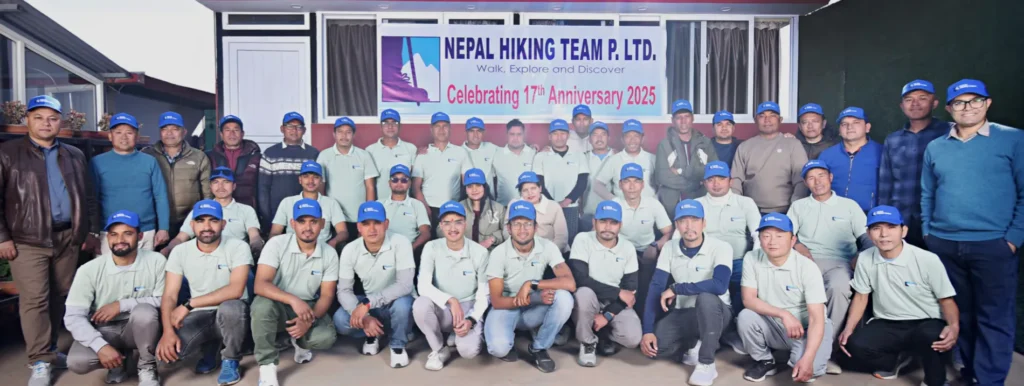
If you are ready to plan your adventure, Nepal Hiking Team can help you every step of the way. Our experienced local guides, carefully designed itineraries, and strong focus on safety have helped thousands of trekkers experience the Everest region with confidence.
Whether this is your first trek in Nepal or another Himalayan adventure, choosing the right team makes all the difference.
Plan your Everest Base Camp Trek with Nepal Hiking Team:
- Everest Base Camp Trek: https://www.nepalhikingteam.com/package/everest-base-camp-trek
- Contact the team: https://www.nepalhikingteam.com/contact-us
- Book your trek: https://www.nepalhikingteam.com/trip-booking
- WhatsApp or Viber: +977 9851058678
Your journey to Everest begins long before you arrive in Lukla. It starts with good preparation, smart decisions, and choosing a team that puts your safety and experience first.
Also Read: Manaslu Circuit Trek on a Budget: Smart Tips Most Trekkers Overlook