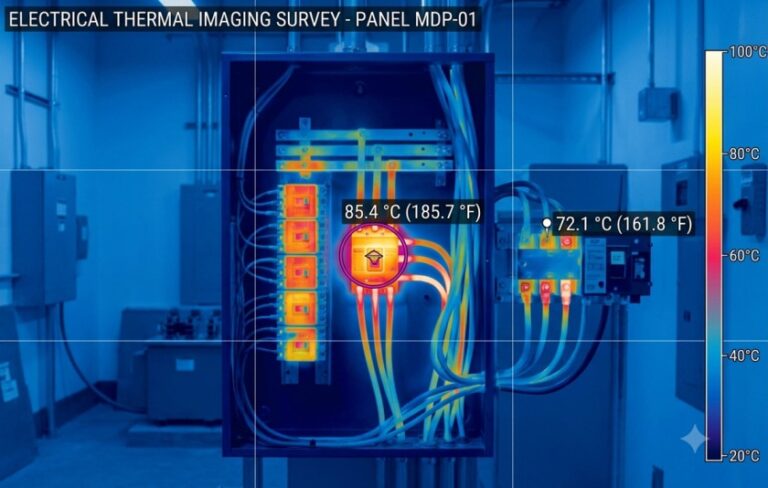
High-tension (HT) cables are essential for transmitting electrical power safely and efficiently across industrial plants, substations, commercial facilities, and utility networks. These cables are designed to withstand high voltages and demanding operating conditions, but over time, their insulation can deteriorate due to electrical stress, environmental factors, aging, and mechanical damage. Since insulation is the primary protective barrier within an HT cable, maintaining its health is critical for ensuring reliable power distribution.
HT cable failures often begin with hidden insulation defects that are difficult to detect through routine visual inspections. Without proper diagnostic testing, these defects can grow unnoticed until they result in unexpected breakdowns, costly downtime, and serious safety hazards. HT cable diagnostic testing helps identify insulation problems at an early stage, allowing maintenance teams to take corrective action before failures occur.
What Is HT Cable Diagnostic Testing?
HT cable diagnostic testing is a specialized assessment process used to evaluate the condition of cable insulation and determine the overall health of high-voltage cable systems. Unlike conventional pass-or-fail tests, diagnostic testing provides detailed information about insulation aging, moisture ingress, electrical defects, and potential failure points.
Using advanced diagnostic equipment, engineers can assess the remaining life of cable insulation and identify areas requiring maintenance or replacement. This proactive approach supports condition-based maintenance rather than relying solely on fixed maintenance schedules.
Why Cable Insulation Health Matters
Cable insulation serves as the protective layer that prevents electrical current from escaping the conductor and causing faults. As insulation deteriorates, the risk of electrical failures increases significantly.
Healthy insulation provides:
- Reliable power transmission
- Protection against electrical faults
- Improved equipment safety
- Reduced risk of short circuits
- Longer cable service life
- Stable system performance
Poor insulation, on the other hand, can lead to partial discharge activity, insulation breakdown, flashovers, equipment damage, and complete cable failure.
Common Causes of Insulation Deterioration
Several factors contribute to the gradual aging of HT cable insulation.
Electrical Stress
Continuous operation at high voltage places constant stress on insulation materials, gradually reducing their dielectric strength over time.
Thermal Aging
Repeated heating and cooling cycles accelerate insulation degradation, particularly in heavily loaded cable systems.
Moisture Ingress
Water penetration through damaged cable sheaths, joints, or terminations weakens insulation and creates conditions for electrical discharge.
Mechanical Damage
Improper cable handling, excessive bending, vibration, or excavation activities can damage insulation layers and create weak points.
Environmental Conditions
Exposure to chemicals, UV radiation, dust, humidity, and corrosive environments can shorten insulation life.
Installation Defects
Improper installation practices, poorly executed cable joints, or damaged accessories may introduce defects that eventually develop into insulation failures.
Types of HT Cable Diagnostic Tests
Various diagnostic techniques are used to assess cable insulation depending on the cable type, operating conditions, and maintenance objectives.
Partial Discharge Testing
Partial discharge testing identifies localized electrical discharges occurring within insulation. It helps detect internal defects before complete insulation failure develops.
Very Low Frequency (VLF) Testing
VLF testing applies a controlled low-frequency voltage to evaluate insulation integrity while minimizing stress on the cable.
Tan Delta Testing
Tan Delta testing measures dielectric losses within the insulation. Increasing dielectric loss values often indicate insulation aging, contamination, or moisture ingress.
Insulation Resistance Testing
Insulation resistance testing measures the resistance offered by cable insulation to electrical leakage current. It provides a quick indication of insulation condition.
Sheath Integrity Testing
Cable sheath testing identifies damage to the outer protective layer, preventing moisture penetration and corrosion.
Time Domain Reflectometry (TDR)
TDR helps locate faults, damaged sections, and cable discontinuities by analyzing reflected electrical signals.
Benefits of HT Cable Diagnostic Testing
Regular diagnostic testing provides significant operational and financial benefits.
Early Fault Detection
Diagnostic testing identifies insulation defects before they develop into catastrophic cable failures.
Reduced Downtime
Early repairs prevent unexpected outages and minimize production interruptions.
Extended Cable Lifespan
Identifying insulation deterioration early allows maintenance teams to address problems before permanent damage occurs.
Improved System Reliability
Healthy cable insulation ensures consistent power delivery and reduces the likelihood of electrical faults.
Cost Savings
Preventive maintenance based on diagnostic results is considerably less expensive than emergency cable replacement and production losses.
Enhanced Safety
Maintaining insulation integrity reduces the risk of electrical shocks, arc flashes, fires, and equipment failures.
Better Maintenance Planning
Diagnostic data supports predictive maintenance strategies, allowing maintenance budgets to be allocated more effectively.
Industries That Benefit from HT Cable Diagnostic Testing
HT cable diagnostic testing is valuable across industries where uninterrupted electrical power is essential.
- Power generation plants
- Utility substations
- Manufacturing facilities
- Chemical processing plants
- Oil and gas industries
- Renewable energy projects
- Data centers
- Commercial complexes
- Mining operations
- Infrastructure projects
These industries depend on reliable electrical systems, making routine cable diagnostics a critical part of asset management.
When Should HT Cables Be Tested?
Diagnostic testing should be incorporated into every preventive maintenance program.
Testing is recommended:
- Before commissioning new cable installations
- After cable joint or termination repairs
- During scheduled maintenance shutdowns
- Following electrical faults
- When cable aging is suspected
- Before increasing system loads
- After flooding or water exposure
- As part of long-term asset condition monitoring
Regular testing helps identify developing problems long before they interrupt operations.
Choosing the Right Diagnostic Testing Service
Accurate cable diagnostics require experienced engineers and advanced testing equipment. A reliable testing provider should offer comprehensive insulation assessment, modern diagnostic instruments, precise fault location capabilities, detailed technical reports, and recommendations for corrective actions.
Selecting a qualified service partner ensures reliable test results and supports informed maintenance decisions that improve the overall performance of the electrical system.
Conclusion
The condition of HT cable insulation directly affects the reliability, safety, and efficiency of any electrical power system. Hidden insulation defects often remain undetected until they cause costly failures, equipment damage, and unplanned downtime. HT cable diagnostic testing provides valuable insights into insulation health, enabling maintenance teams to identify problems early and implement timely corrective actions.
By incorporating routine diagnostic testing into preventive maintenance programs, organizations can extend cable service life, improve system reliability, reduce maintenance costs, and enhance workplace safety. Investing in professional HT cable diagnostic testing is a proactive step toward protecting critical electrical assets and ensuring uninterrupted power system performance for years to come.
Ensure the safety, reliability, and performance of your high-voltage cable network with professional HT Cables Diagnostic Testing services.
Detect insulation issues, identify potential faults, and prevent unexpected failures.
Contact us today for reliable HT Cables Diagnostic Testing services!