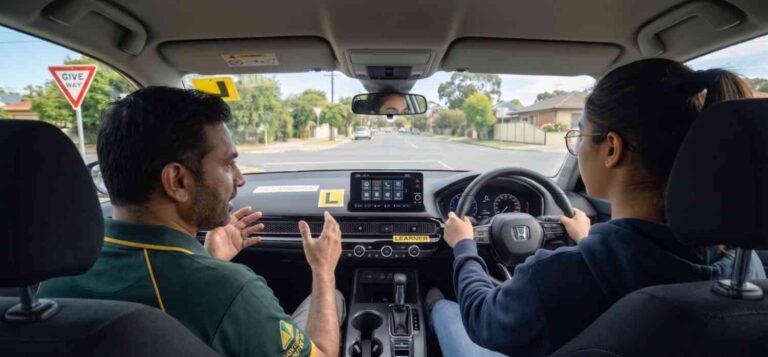
Free driving lessons Tasmania is a valuable topic for learner drivers who want to obtain their licence without putting unnecessary pressure on their budget. In 2026, some learners may be able to access community mentoring, supervised practice or assistance through eligible support programs. However, free professional instruction is not available to everyone, and eligibility requirements can vary. Understanding the options available can help Tasmanian residents plan their training, build practical skills and prepare for the responsibilities of driving independently.

Are Free Driving Lessons Available in Tasmania?
Free driving lessons Tasmania options may be available through selected learner driver mentoring programs and community support initiatives. These services can help eligible learners gain supervised driving experience, particularly when financial difficulties, limited vehicle access or a lack of suitable supervisors make learning to drive more challenging.
Learner driver mentoring programs generally connect participants with volunteer mentors who supervise driving practice. Depending on the program, learners may also have access to a vehicle for their sessions. These arrangements can help people accumulate valuable experience before progressing towards a provisional licence.
It is important to distinguish supervised mentoring from professional instruction. A volunteer mentor helps learners practise safely, while a qualified instructor can provide structured lessons, correct specific driving errors and prepare learners for their practical assessment. Some people may benefit from combining both forms of support.
Availability also depends on local resources and program capacity. Before making plans, check whether a suitable service operates in your area and whether you meet its eligibility requirements.
Who Can Qualify for Free Learner Driver Support?
Free driving lessons Tasmania assistance is generally intended for eligible learners who face barriers to obtaining a licence. Depending on the program, these barriers may include financial hardship, difficulty accessing a suitable vehicle or having no appropriate person available to supervise driving practice.
Young people experiencing disadvantage may also qualify for particular driver education initiatives. Some programs focus on helping students improve their employment opportunities by making it easier to obtain a licence and develop practical driving skills.
For example, a learner living in regional Tasmania might have a learner licence but struggle to complete supervised practice because their family has limited time or cannot provide a suitable vehicle. A mentoring program could help address these challenges if the learner meets its conditions and a place is available.
Applicants should ask about age restrictions, residency requirements, documentation and waiting periods. Not every program provides free professional tuition, and some may offer only supervised practice or referrals to other services.
How Can You Apply for Learner Driver Assistance?
To explore free driving lessons Tasmania opportunities, begin by identifying learner driver support services operating in your region. Contact the relevant organisation, explain your circumstances and ask whether it currently accepts applications for supervised practice or other forms of assistance.
Prepare to explain your current licensing stage, access to a vehicle and availability of a suitable supervising driver. The organisation may ask about your financial circumstances or other barriers that affect your ability to complete driving practice.
Ask what the program includes before committing. Find out whether a vehicle is provided, how sessions are scheduled, whether there is a waiting list and whether you need to arrange professional lessons separately.
Planning ahead is important because community programs may have limited vehicles, volunteers or appointment availability. If you cannot access a program immediately, continue studying road rules and explore lawful supervised practice opportunities while considering other training options.
How Can You Reduce Driving Costs Without Free Lessons?
If you do not qualify for free driving lessons Tasmania support, combining supervised practice with targeted professional instruction can help manage your expenses. Regular practice reinforces techniques learned during lessons, while an instructor can focus on skills that require expert guidance.
Consider a learner practising hill starts on a quiet Hobart street before progressing to steeper roads and busier intersections. In regional areas, practice may also involve learning to respond to wet surfaces, changing weather and wildlife near roads at dusk.
A suitable driving school can help you identify weaknesses and develop a structured learning plan. Discuss your priorities before booking lessons, particularly if you need extra help with parking, reversing, roundabouts, lane changes or hazard perception.
Compare driving packages carefully by checking lesson duration, inclusions, booking flexibility and cancellation conditions. The cheapest option may not provide the guidance you need, so consider the quality and relevance of the instruction as well as the cost.
You can also use learner resources to prepare for lessons, understand road rules and identify areas requiring improvement. Combining preparation, supervised practice and focused driver training can make your learning experience more efficient without compromising road safety.
Conclusion
Free driving lessons Tasmania options can provide valuable assistance to eligible learners in 2026, particularly through community mentoring and supervised practice programs. Start by checking current eligibility requirements and contacting local support organisations. If free instruction is unavailable, consider combining supervised practice with carefully planned professional lessons. With consistent effort, appropriate guidance and a realistic budget, you can develop safer driving habits and work towards obtaining your Tasmanian licence.