Buying, selling, or maintaining a home involves many decisions, and knowing the property’s actual condition can make those decisions easier. A residential inspection provides an objective review of visible and accessible parts of a house. It can help identify maintenance concerns, safety issues, and components that may need further evaluation. An inspection is not meant to predict the future or guarantee that a property will remain problem-free. Instead, it gives homeowners useful information about the condition of the home at the time of the inspection.
Why Home Inspections Are Important
A house can look excellent during a casual visit while still having problems that are difficult to notice. Small roof defects, drainage concerns, plumbing leaks, electrical issues, or damaged materials may not be obvious without a systematic review. Residential Property Inspections near Hendersonville TN can help buyers and homeowners better understand these areas. Having this information early can make it easier to plan repairs, discuss concerns, and prioritize maintenance based on the condition of the property.
Inspecting the Roof and Attic
The roof protects the home from rain, wind, and other weather conditions, making it an important inspection area. An inspector may look at visible roofing materials for signs of damage, wear, missing components, or previous repairs. Accessible attic areas may also be reviewed for signs of moisture, ventilation concerns, insulation issues, or visible structural conditions. While an inspection does not involve destructive testing, visible clues can provide useful information about potential roofing or moisture problems.
Reviewing the Foundation and Structure
The foundation supports the entire home, so visible structural conditions deserve attention. Inspectors may look for cracks, uneven areas, moisture signs, or other conditions around accessible foundation components. Walls, floors, ceilings, and structural elements may also be reviewed for visible signs that require further evaluation. Not every crack means there is a major structural problem. However, unusual or significant observations should be documented so homeowners can determine whether a qualified specialist needs to investigate further.
Checking Plumbing Systems
Plumbing systems supply water and remove wastewater throughout the property. During an inspection, accessible pipes, fixtures, water heaters, drains, and other components may be reviewed for visible leaks, corrosion, damage, or improper conditions. Inspectors may also operate appropriate fixtures to observe basic function. Water stains, damp cabinets, slow drains, or unusual odors can provide clues about possible plumbing concerns. Addressing leaks promptly can help prevent moisture damage and more complicated repairs.
Evaluating Electrical Components
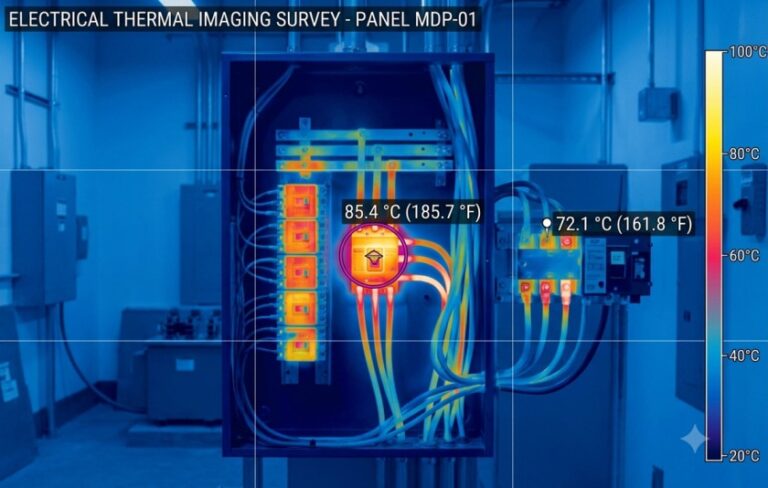
Electrical systems require careful attention because unsafe conditions can create serious risks. An inspection may include accessible electrical panels, outlets, switches, wiring, and other visible components. The inspector may identify damaged parts, outdated features, or conditions that appear inconsistent with current safety practices. An inspection is not a substitute for specialized electrical testing when a serious concern is found. In those cases, a licensed electrician may need to perform a more detailed evaluation.
Examining Heating and Cooling Equipment
Heating and cooling systems affect indoor comfort and can represent a significant part of a home’s operating costs. Inspectors may review accessible equipment, controls, visible components, and basic operation. They may also note the approximate age and visible condition of major equipment. An inspection cannot guarantee future performance, particularly for older systems. Regular maintenance by qualified HVAC technicians remains important for keeping heating and cooling equipment operating appropriately.
Looking at Windows, Doors, and Exterior Areas
The outside of a property helps protect the interior from weather and moisture. Inspectors may review siding, trim, windows, exterior doors, decks, porches, railings, gutters, and visible drainage conditions. Damaged materials, gaps, staining, or poor water management can contribute to future problems if they are ignored. Reviewing these areas can also help homeowners understand which exterior components may require cleaning, repair, sealing, or replacement.
Understanding the Inspection Report
After the inspection, homeowners typically receive a report describing observed conditions. Reports can contain photographs, explanations, and recommendations for further evaluation. It is important to understand that not every listed issue has the same level of importance. Some findings may be routine maintenance items, while others may require prompt attention. Homeowners should focus on the nature and potential impact of each concern instead of assuming every observation represents a major defect.
Choosing the Right Inspection Provider
The quality and usefulness of an inspection depend partly on the person performing it. When selecting a Property Inspections Company, homeowners should consider experience, qualifications, inspection scope, reporting style, and communication. It is helpful to ask what areas are included and whether additional services are available when specialized concerns arise. A clear inspection process allows homeowners to know what to expect and makes it easier to understand the final findings.
Using Inspection Results Wisely
A residential inspection gives homeowners valuable information that can support better property decisions. It can help identify areas needing immediate attention, routine maintenance, or additional specialist evaluation. The best approach is to use the report as a practical guide rather than treating it as a simple pass-or-fail result. By understanding the condition of major systems and keeping up with repairs, homeowners can protect their investment and maintain a safer, more comfortable living environment.