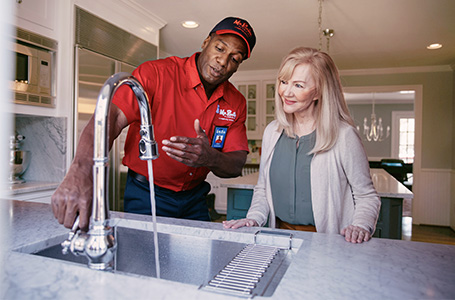
Knowing when your property needs emergency Septic Pumping can save you from unexpected mess, stress, and costly repairs. Whether you live in a small home or a larger coastal property, sudden septic issues can appear with little warning. Many homeowners searching for septic pumping in Malibu often face urgent problems caused by heavy use, seasonal changes, or long gaps in maintenance. This guide explains the clear signs of trouble, what to do next, and how to keep your system safe.
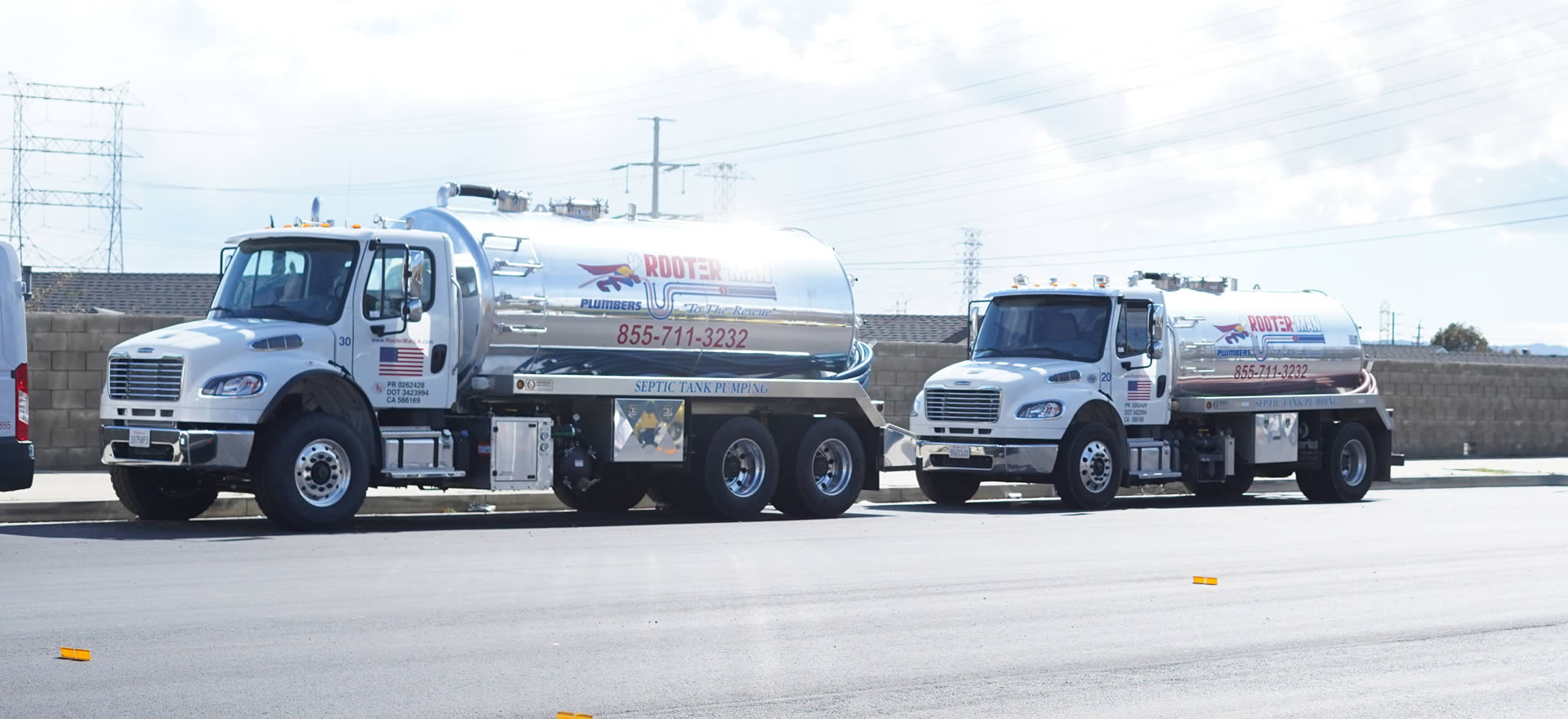
Why Emergency Septic Pumping Matters
A septic system works quietly in the background, handling wastewater from your sinks, toilets, baths, and laundry. When the tank becomes too full or something blocks the flow, the entire system can slow down or stop. Emergency pumping is needed when the tank reaches a critical level or when waste pushes back toward your home. Acting fast protects your property and helps you avoid long-term damage.
Top Warning Signs Your Property Needs Emergency Septic Pumping
Not all septic problems appear the same, but most emergencies share clear signals. If you notice any of these signs, contact a septic service immediately.
1. Slow Drains Throughout the House
If every drain in your home begins to slow down at the same time, your tank may be full. A single slow sink may point to a simple clog, but when the whole house slows, the septic system is struggling to accept more wastewater.
2. Sewage Backups
This is one of the strongest signs of a serious problem. Wastewater coming up through toilets, tubs, or sinks means the system cannot push waste into the tank. Backups are unsafe and require urgent pumping.
3. Strong Odors Indoors or Outside
A healthy septic system does not smell. If you notice a strong or unpleasant odor in your home or around the tank area, gases may be escaping due to rising waste levels. This is a common indicator that emergency pumping is needed.
4. Pooling Water Near the Drain Field
Water collecting above your drain field or septic tank usually means the system is overloaded. A full tank may force wastewater to the surface, creating soggy ground or wet patches that do not dry.
5. Gurgling Sounds in Pipes
Gurgling noises after flushing or running water often mean air is trapped in the lines, which happens when waste cannot flow properly. This is a direct sign that pressure is building inside the system.
What Causes Sudden Septic Emergencies?
Understanding the common causes helps you prevent issues and respond quickly when needed.
Heavy Water Use
Large gatherings, long showers, or running multiple appliances at once can overload the system.
Lack of Routine Pumping
Most tanks need pumping every three to five years, depending on size and household use. Skipping maintenance allows solids to build up.
Tree Root Intrusion
Roots may push into pipes or the tank, slowing the flow of wastewater.
Foreign Items in Drains
Items like wipes, paper towels, or grease can block pipes and trigger sudden backups.
Flooding or Seasonal Changes
Heavy rain can saturate the soil, slowing the drain field and forcing wastewater back toward the home.
What to Do When You Need Emergency Septic Pumping
If you suspect your system is failing, take these steps immediately:
1. Stop Using Water
Pause showers, laundry, dishwashing, and flushing to prevent more wastewater from entering the system.
2. Keep People Away From Wet Areas
Wastewater on the ground can contain bacteria. Keep pets and people away until the area is cleaned.
3. Call a Septic Service Right Away
Emergency pumping removes the waste, eases pressure, and helps prevent structural or soil damage.
4. Note Any Unusual Changes
Tell the technician about odors, noises, or recent activity. This helps them diagnose the issue faster.
How Regular Septic Pumping Prevents Emergencies
Routine maintenance reduces the chance of sudden issues and helps your system last longer. Pumping keeps solids from reaching the drain field, which is the most expensive part to repair. Many homeowners only schedule a service when a problem appears, but regular care can prevent clogs, backups, and system overload.
A well-kept septic system also supports healthy soil, clean groundwater, and smooth drainage throughout your home.
Simple Habits That Reduce Septic Emergencies
Below are easy tips you can follow daily to protect your septic system:
- Spread out laundry loads during the week
- Limit long showers if your tank is older
- Avoid flushing wipes, even if labelled “flushable”
- Keep vehicle weight away from the drain field
- Fix leaking taps to reduce water flow
- Use water-efficient fixtures
- Schedule routine pumping based on household size
These small habits keep the system balanced and reduce stress on the tank.
Cost-Effective Septic Upkeep Tips
Keeping your system in good shape does not have to be complicated or expensive. Focus on simple, cost-effective septic upkeep tips like reducing water waste, flushing only toilet-safe items, and cleaning your tank on schedule. These small steps lower your long-term repair costs and help your system stay steady throughout the year.
Facts and Stats to Strengthen Your Maintenance Plan
Here are useful numbers that help homeowners understand septic needs:
- The average home uses 300–400 litres of water per day
- A typical septic tank fills 20–30% faster when wipes or grease enter the system
- Most drain field failures begin three to six months after missed pumping
- Property owners who schedule pumping every three years see 50% fewer emergency calls
These statistics show why early action is important.
Common Questions About Emergency Septic Pumping (Direct Answers)
What is the fastest way to stop a septic backup?
Stop all water use immediately and call a septic service for emergency pumping. Reducing water flow prevents more waste from entering the system and limits indoor damage.
How long does emergency septic pumping take?
Most pumping jobs take 30–60 minutes depending on tank size, access, and the amount of waste. The technician may take longer if extra cleaning or inspection is needed.
Do I need pumping if my drains are gurgling?
Gurgling often means rising pressure or trapped air in the lines. This usually happens when the tank is full or a blockage is present. A pumping service can quickly confirm the cause.
Can weather cause sudden septic problems?
Yes. Heavy rain, storms, and saturated soil can slow your drain field and push wastewater back toward the home. A full tank becomes overloaded much faster in wet conditions.
FAQ
1. How do I know if my septic tank needs emergency pumping?
You may need emergency pumping if you notice backups, slow drains, strong odors, gurgling pipes, or wet ground around the tank. These signs show the system is overloaded. Rooter Man Septic Tank Pumping can assess the situation and clear the tank quickly to protect your property.
2. What should I do first during a septic emergency?
Stop using all water in the home and keep people away from wet areas. This prevents the system from taking in more waste. Then contact a pumping service like Rooter Man Septic Tank Pumping for fast help.
3. How often should a septic tank be pumped to avoid emergencies?
Most homes need pumping every three to five years based on household size and water use. Regular cleaning helps prevent clogs, backups, and damage to the drain field. Rooter Man Septic Tank Pumping can recommend the right schedule for your system.
4. Can septic emergencies be prevented with routine care?
Yes. Simple habits like limiting water use, avoiding wipes, and staying on a regular pumping schedule greatly lower the chance of emergencies. Routine care keeps the system balanced and reduces pressure on the tank.
5. What causes sudden septic failures?
Common causes include heavy water use, clogged lines, skipped pumping, tree root intrusion, or soil saturation from rain. These factors push the system beyond its limit. Emergency pumping clears the tank and restores flow.