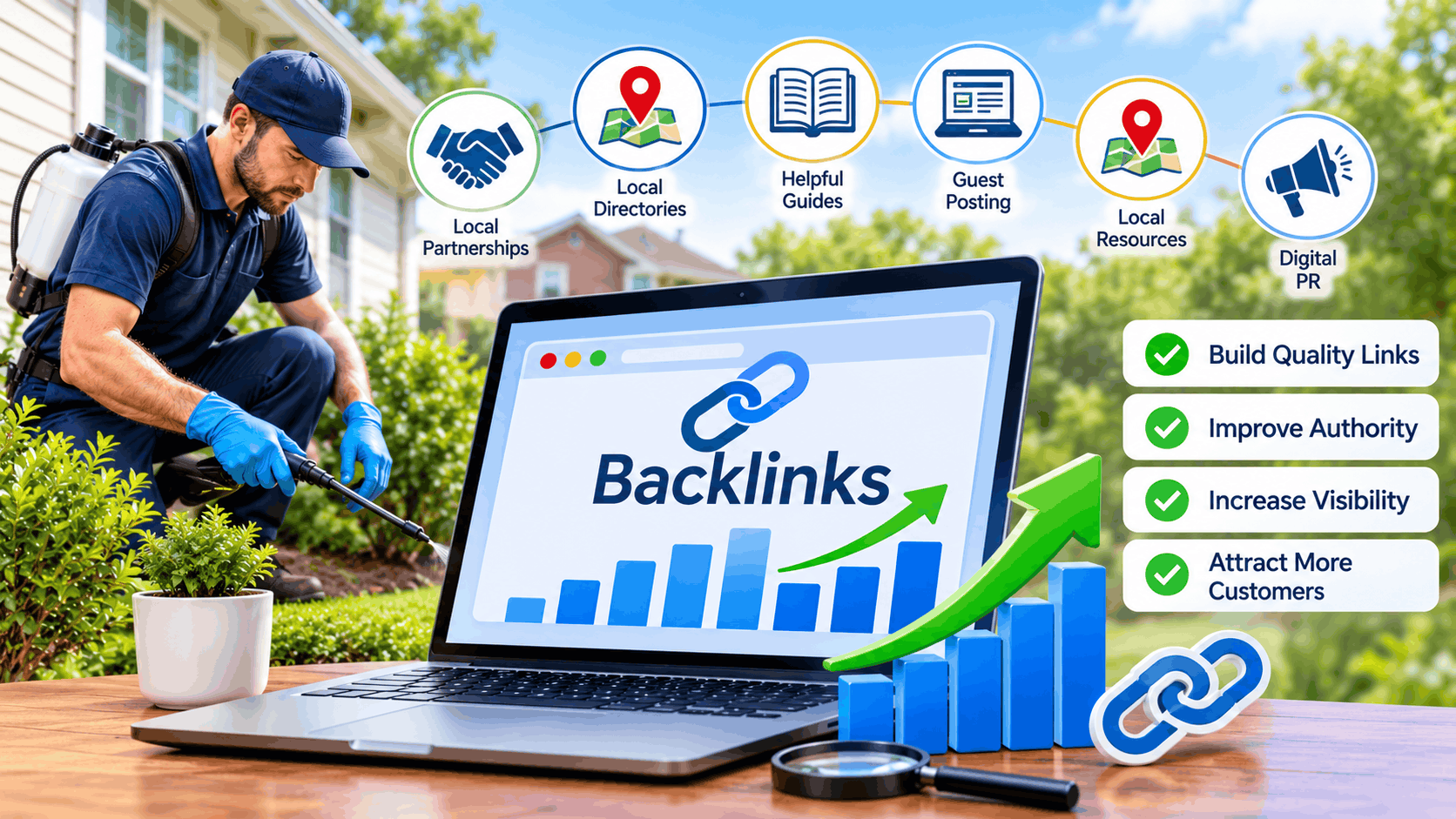
A strong online presence helps pest control companies reach homeowners and businesses looking for reliable solutions. While useful website content and local optimization are important, another factor can influence how a business performs in search results: the quality of links pointing to its website.
Link building is the process of earning links from other relevant websites. These links can help search engines discover pages, understand their context, and assess a website’s authority. For pest control businesses, a thoughtful approach to Off Page SEO for Pest Control can strengthen online visibility and support long-term growth.
The goal is not to collect as many links as possible. It is to build genuine connections and earn mentions from sources that are relevant, trustworthy, and useful to potential customers.
Why Link Building Matters for Pest Control Companies
Search engines consider links when evaluating how web pages relate to one another. A relevant link from a respected local organization or industry website can provide a useful signal about a business and its content.
Effective link building can help pest control companies:
- Improve website discovery by search engines.
- Build credibility within the local community.
- Reach potential customers through relevant websites.
- Strengthen the visibility of important service pages.
- Develop relationships with local businesses and organizations.
However, links are only one part of SEO. They work best alongside helpful content, a technically sound website, and accurate business information.
6 Practical Link Building Strategies for Pest Control Businesses
1. Build Relationships with Local Businesses
Pest control companies often work in the same communities as property managers, real estate agents, cleaning services, home inspectors, and renovation contractors.
These relationships can create natural opportunities for relevant website mentions. For example, a property management company might recommend a trusted pest control provider to landlords or tenants.
Focus on building genuine professional relationships rather than exchanging links simply to manipulate rankings. Any link should make sense for the audience and provide real value.
2. Get Listed in Relevant Local Directories
Local directories can help customers find pest control services while providing useful business citations.
Look for established directories that are relevant to your location or industry. Before submitting a listing, check that the platform is legitimate, maintained, and useful to visitors.
Keep important business details consistent, including:
- Business name
- Address
- Phone number
- Website URL
- Service categories
Avoid submitting your website to hundreds of low-quality directories. A smaller number of accurate, relevant listings is generally more valuable than mass submissions.
3. Publish Helpful Pest Control Guides
Useful educational content can attract links naturally. Consider creating articles that answer common questions about household pests, prevention, and property maintenance.
Examples include:
- How to identify early signs of termite damage
- Ways to prevent rodents from entering a home
- Common reasons ants appear in kitchens
- Seasonal pest prevention tips for homeowners
- How to prepare a property for professional pest treatment
Make the information practical and easy to understand. When other websites find your guide useful, they may reference it in their own articles or resources.
4. Contribute to Relevant Industry Websites
Guest posting can help pest control businesses reach new audiences and establish expertise. Look for websites covering home improvement, property management, gardening, real estate, or building maintenance.
Choose topics that genuinely fit the publication. A pest control professional could contribute an article about preventing termite damage during home renovations or reducing rodent risks in rental properties.
A good guest post should:
- Offer original and useful information.
- Match the publication’s audience.
- Demonstrate practical industry knowledge.
- Include a relevant author or business mention where permitted.
Avoid websites that publish unrelated articles solely to sell backlinks.
5. Create Local Resource Pages
A local resource page can attract links from organizations and websites serving the same community.
For example, a pest control company could publish a guide to seasonal pest risks in its service area. The page might explain which pests are commonly encountered during different seasons and offer prevention advice for local property owners.
You can then share the resource with neighborhood associations, community groups, local housing organizations, and relevant businesses.
The content should provide genuine local value rather than simply repeating general pest control information.
6. Use Digital PR to Earn Local Mentions
Digital PR involves sharing useful information or expert insights with journalists, publishers, and other media outlets.
Pest control professionals may have valuable perspectives on seasonal pest activity, property maintenance, sanitation, and infestation prevention.
For example, a local publication covering increased mosquito activity could benefit from practical comments from an experienced pest management professional.
Prepare clear, accurate information and respond promptly to media requests. Relevant editorial mentions can introduce your business to new audiences and may result in valuable website links.
How to Evaluate Link Quality
Not every backlink helps a website. Links from irrelevant, suspicious, or low-quality sources can offer little value and may create SEO risks.
Before pursuing a backlink, consider these factors:
- Relevance: Does the website cover a related industry, service, or local topic?
- Trustworthiness: Is the website genuine, maintained, and useful to its readers?
- Audience: Could its visitors realistically benefit from learning about your services?
- Editorial standards: Does the publisher review content before accepting it?
- Link placement: Is the link included naturally within useful content?
Avoid paid link schemes, automated link-building software, private blog networks, and excessive reciprocal linking. Google’s policies discourage manipulative link practices.
Measuring the Results of Link Building
Link building should be treated as an ongoing SEO activity, not a one-time campaign.
Monitor your backlink profile using tools such as Google Search Console and reputable SEO platforms. Review new referring domains, lost links, and the quality of websites linking to your pages.
You should also track organic traffic, search visibility, relevant keyword performance, and inquiries from website visitors. These indicators help show whether your wider Off Page SEO for Pest Control efforts are contributing to business goals.
Conclusion
Effective link building is based on relevance, trust, and useful relationships. Pest control companies can earn meaningful backlinks by working with local businesses, contributing expert content, publishing helpful guides, and building connections with community organizations.
Rather than chasing large backlink numbers, focus on earning links that make sense for your industry and audience. Combined with strong website content and sound SEO practices, these efforts can support lasting online visibility.
Frequently Asked Questions
1. What is link building in pest control SEO?
Link building is the process of earning links from other websites to a pest control company’s website. These links can help search engines discover content and understand its relevance and authority.
2. How many backlinks does a pest control website need?
There is no fixed number of backlinks required to rank well. Relevance, quality, and natural link growth matter more than reaching an arbitrary target.
3. Are local directories useful for pest control companies?
Yes. Reputable local directories can help customers discover a business and provide consistent business information across the web. Choose relevant, trustworthy platforms rather than submitting to every available directory.
4. Is guest posting a good link-building strategy?
Guest posting can be effective when articles are published on relevant websites and provide genuine value to readers. Avoid publishers that exist mainly to sell backlinks or accept unrelated, low-quality content.
5. How long does link building take to show results?
Results vary depending on website competition, backlink quality, existing authority, and overall SEO performance. Link building is a long-term process, so businesses should monitor progress consistently rather than expect immediate ranking changes.