Table of Contents
Introduction: Why Waste Management Matters in Manufacturing Units
Manufacturing units across India generate large volumes of solid waste, including production residues, packaging materials, and organic waste from canteens and cafeterias. Improper disposal can lead to environmental hazards, legal fines, increased operational costs, and damage to corporate reputation.
Installing a solid waste management plant in India allows industrial units to manage waste efficiently on-site. It helps segregate, process, and convert waste into valuable products such as compost, Refuse Derived Fuel (RDF), and recyclable materials. These plants not only ensure compliance with Solid Waste Management Rules, 2016 but also contribute to cost savings, resource recovery, and a cleaner environment.
Understanding a Solid Waste Management Plant
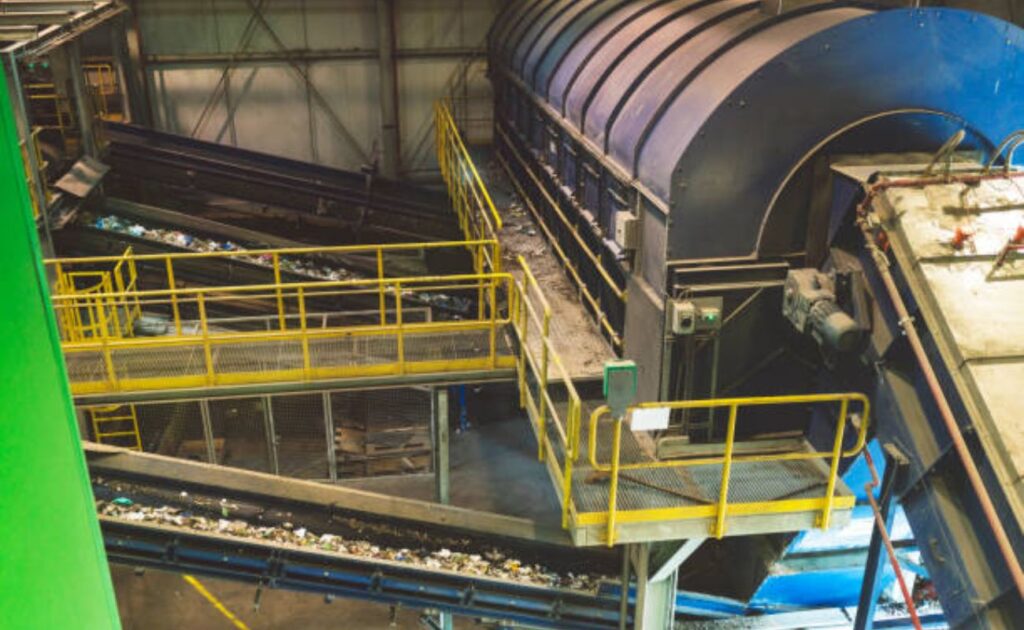
Before installation, it is essential to understand the components and workflow of a solid waste management plant.
Segregation Units
Segregation is the foundation of effective waste management. Components include:
Wet waste section for biodegradable material, such as food scraps, garden waste, and canteen leftovers
Dry waste section for plastics, metals, paper, and other recyclable materials
Hazardous waste handling for chemicals, oils, and industrial by-products
Processing Equipment
Industrial solid waste plants use various machines:
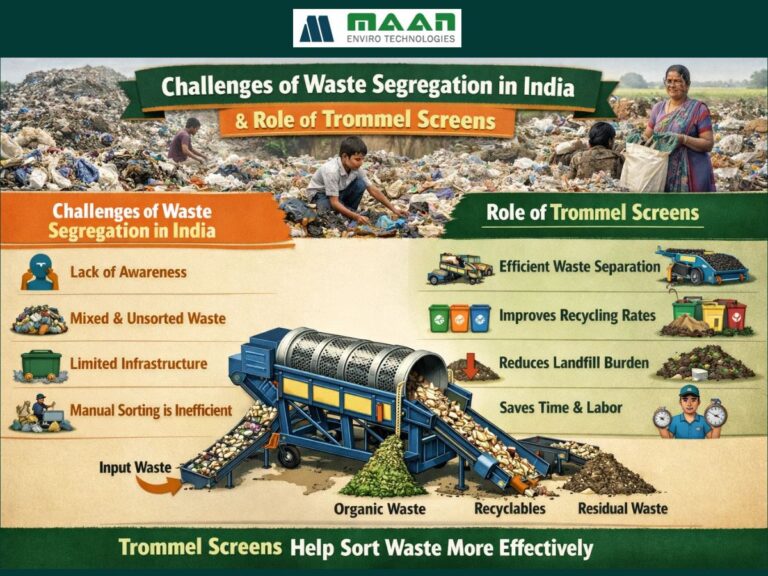
Trommel screens to separate materials based on size and type
Shredders and crushers to reduce volume and prepare waste for further processing
Composting machines for biodegradable material
RDF plant units for converting residual waste into fuel
Material Recovery Facilities (MRF) to sort and recover recyclables
Storage and Collection Systems
Modular bins, silos, and compactors ensure contamination-free storage
Proper flow from collection to processing units reduces operational delays
Output Handling
Compost can be used in landscaping or supplied to farms
RDF can be used as fuel in cement factories or power plants
Recycled materials can be reused internally or sold to recyclers
Step-by-Step Guide to Installing a Solid Waste Plant
Step 1: Conduct a Comprehensive Waste Audit
Identify the type, volume, and source of waste generated daily
Classify waste into biodegradable, recyclable, and hazardous categories
Note peak waste generation periods to determine plant capacity
Example: A food processing factory in Haryana produces 1.5 tonnes of organic waste and 0.5 tonnes of packaging material per day. A detailed audit helps in choosing the correct plant design and equipment.
Step 2: Plan the Plant Layout
Allocate areas for segregation, processing, storage, and finished product handling
Include access routes for vehicles and maintenance
Plan for future expansion with modular layouts
Ensure compliance with safety, ventilation, and fire regulations
Step 3: Select the Right Equipment
Choose fully automatic machines for high-volume waste processing
Semi-automatic units or modular machines are suitable for medium and small factories
Equipment should match waste type, daily volume, and desired output
Example: Maan Enviro Technologies provides customised solid waste plant solutions in India, including RDF plants, composting machines, and MRF units for industrial clients. Their solutions ensure compliance and operational efficiency.
Step 4: Obtain Permissions and Clearances
Apply for municipal and environmental approvals
Ensure compliance with SWM Rules, 2016, and local environmental guidelines
Maintain records of approvals for audits and inspections
Step 5: Installation and Testing
Professional installation ensures correct setup and machine calibration
Test each unit for throughput, efficiency, and safety
Train staff on operations, safety, and maintenance procedures
Step 6: Regular Operation and Maintenance
Implement standard operating procedures for segregation, feeding machines, and output handling
Monitor moisture, temperature, and compost or RDF quality regularly
Schedule preventive maintenance to reduce downtime and extend machine life
Benefits of Installing a Solid Waste Management Plant
Regulatory compliance with SWM Rules and local waste laws
Cost savings from reduced transport, disposal, and landfill fees
Resource recovery through compost, RDF, or recyclable materials
Operational efficiency with streamlined waste management and safer workplaces
Sustainability initiatives that enhance corporate image and attract environmentally-conscious clients
Fact: According to the Central Pollution Control Board, decentralised industrial waste management can reduce municipal landfill pressure by up to 60 percent in industrial zones.
Overcoming Common Challenges
Limited Space
Solution: Use vertical silos, compact machines, and modular layouts to maximise available space
Contaminated Waste
Solution: Implement strict source segregation, use trommel screens, and conduct regular staff training
High Initial Investment
Solution: Calculate long-term savings from reduced transport and disposal, and potential revenue from compost or RDF
Staff Training and Awareness
Solution: Provide hands-on training, standard operating procedures, and periodic performance monitoring to ensure efficiency
Real-World Industrial Examples
Automobile Manufacturer in Pune: Installed an RDF plant, reducing landfill disposal by 70 percent
Textile Factory in Gujarat: Uses shredders and composting machines to recycle fabric scraps and organic waste
Food Processing Unit in Haryana: Converts kitchen and garden waste into compost, which is supplied to local farms
These examples show how industries can adopt practical waste management solutions tailored to their needs.
Advanced Tips for Maximising Plant Efficiency
Monitor daily waste volumes and optimise machine operation schedules
Automate processes where possible to reduce human error
Conduct regular quality checks of compost, RDF, and recycled materials
Continuously improve segregation and processing methods based on data and results
Integrating Technology
IoT-enabled sensors can monitor machine performance and waste levels
Data analytics helps in predicting peak waste volumes and adjusting operations
Automated reporting simplifies compliance with municipal and environmental authorities
Common Questions About Solid Waste Plants
Which industries should install a solid waste plant?
Industrial units producing over 100 kilograms of waste per day, including production residues, food, and packaging materials, should install a solid waste plant for regulatory compliance and operational efficiency.
How long does installation take?
Installation timelines vary depending on plant size and equipment complexity. Typically, it takes four to twelve weeks, including municipal approvals, equipment delivery, and testing.
Can small-scale factories benefit from a solid waste plant?
Yes, modular or semi-automatic units are suitable for small and medium-sized factories, providing efficient segregation and processing of waste.
How much does a solid waste management plant in India cost?
Costs vary by capacity and automation. Small units typically start at ₹10 to 15 lakh, while large industrial plants can exceed ₹1 crore.
How can businesses maintain compliance with SWM Rules?
Proper segregation, correct operation of equipment, staff training, and maintaining detailed records of processed waste ensure continuous compliance.
Maan Enviro Technologies offers customised industrial waste management solutions, including plant installation, training, and maintenance support, ensuring efficient operations and regulatory compliance.
Conclusion
Installing a solid waste management plant in India is a practical, legal, and sustainable step for manufacturing units. From conducting a detailed waste audit and planning the layout to selecting the right equipment and performing regular maintenance, industries can manage waste efficiently and cost-effectively. Proper installation and operation lead to reduced landfill burden, resource recovery, and improved corporate reputation.
By adopting these steps, industrial units can create cleaner, safer, and environmentally responsible workplaces while remaining compliant with government regulations.