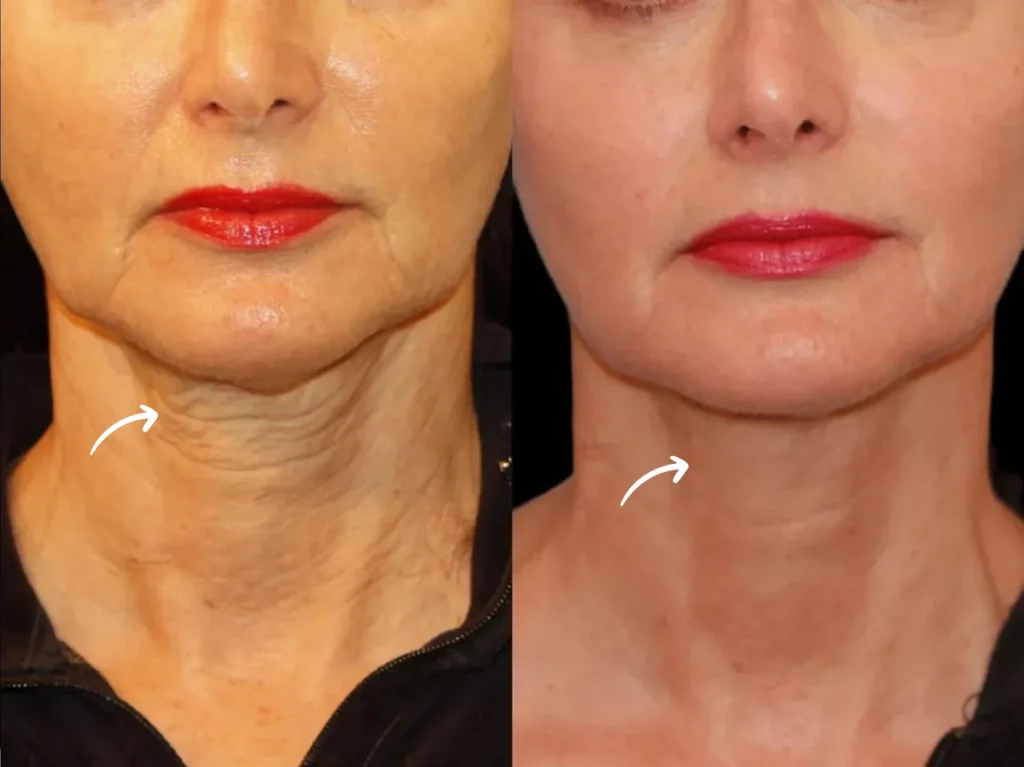
The neck is one of the areas where age-related skin changes can become noticeable over time. Even when the face maintains relatively smooth skin, the neck may gradually develop fine lines, horizontal creases, loose texture, and reduced firmness. These changes are influenced by natural aging, declining collagen production, sun exposure, genetics, and everyday habits. Understanding why they occur helps individuals explore suitable aesthetic treatments and make informed decisions about maintaining healthy-looking skin.
One treatment that has attracted attention for its collagen-stimulating approach is Sculptra. Unlike conventional fillers that primarily provide immediate volume, this injectable treatment works gradually by stimulating the body’s natural collagen production. Its mechanism makes it an interesting option to discuss when considering age-related changes in skin quality.
However, treating the neck requires a different approach from treating the cheeks or other facial areas. The skin is relatively delicate, and the underlying anatomical structures require careful consideration. Understanding how collagen stimulation works, what improvements may be possible, and which factors influence treatment suitability can help establish realistic expectations.
Why Does Neck Skin Change With Age?
The neck has distinct structural characteristics that influence how it ages. Its skin is relatively delicate, and it frequently experiences sunlight exposure, repeated movement, and environmental stress. Over time, these influences can affect collagen, elastin, hydration, and the underlying support structures.
Declining Collagen and Elastin
Collagen provides structural support, while elastin helps the skin return to its original shape after movement or stretching. As natural production decreases with age, the neck may gradually lose firmness and elasticity.
This process can contribute to:
- Fine horizontal lines across the neck.
- Reduced skin firmness.
- Crepey or uneven surface texture.
- More noticeable folds and creases.
- Gradual changes in definition along the jawline and neck.
These changes do not happen at the same rate for everyone. Genetics, lifestyle, sun exposure, and individual skin characteristics all influence the aging process.
Sun Exposure and Environmental Damage
The neck is frequently exposed to sunlight, yet it may receive less consistent sun protection than the face. Repeated ultraviolet exposure can contribute to collagen breakdown, uneven pigmentation, dryness, and changes in skin texture.
Environmental factors such as pollution and smoking may also contribute to oxidative stress, which can affect overall skin quality. Consistent sun protection and an appropriate skincare routine can help reduce preventable damage.
Repeated Neck Movements and Posture
Looking down at mobile phones, working at a desk, and repeatedly bending the neck can create recurring folds in the skin. These movements do not explain every neck line, but they may make existing horizontal creases more noticeable over time.
The platysma muscle, which extends across the front of the neck, also changes with age. In some individuals, its bands become more visible, contributing to vertical lines and changes in neck contour.
Changes in Skin Thickness and Hydration
As the skin ages, its ability to retain moisture and maintain a smooth surface may decline. Reduced hydration can make fine lines appear more pronounced, while changes in skin thickness may contribute to a less firm appearance.
Understanding these different causes is important because not every neck concern responds to the same treatment. Fine lines, loose skin, pigmentation, and prominent muscle bands may require different approaches.
How Sculptra in Dubai May Support Neck Skin Quality
Sculptra in Dubai is an aesthetic treatment option that uses poly-L-lactic acid (PLLA), a biocompatible synthetic material, to stimulate the body’s collagen-producing response. Unlike conventional fillers that primarily provide immediate volume, its intended effect develops gradually as collagen production increases.
The treatment focuses on supporting the skin’s underlying structure rather than simply concealing visible lines. This distinction is particularly relevant when discussing age-related skin changes.
Understanding the Collagen-Stimulating Process
After appropriately administered injections, PLLA particles trigger a controlled tissue response that encourages collagen formation. Over time, this process may contribute to improvements in skin support and overall appearance.
The gradual nature of the treatment means that results do not appear immediately. Changes develop over several weeks and may continue becoming noticeable over subsequent months.
For the neck, however, treatment selection requires particular attention. Sculptra’s established facial uses should not automatically be interpreted as evidence that every neck application is approved, suitable, or equally effective. Treatment described as sculptra for neck may involve off-label use depending on product labeling and local regulatory requirements.
A qualified medical professional should assess the skin, discuss the available evidence, and explain whether another treatment would be more appropriate.
What Makes the Treatment Different From Traditional Fillers?
Traditional hyaluronic acid fillers generally provide volume by attracting and holding water. Sculptra follows a different mechanism because its primary purpose is to stimulate collagen production over time.
Some important differences include:
- Gradual development: Improvements emerge progressively rather than appearing immediately.
- Collagen support: The treatment encourages the body’s own collagen-producing processes.
- Treatment planning: Multiple sessions may be recommended depending on individual needs and the treatment area.
- Individual outcomes: Results vary according to skin condition, technique, and biological response.
These differences help explain why Sculptra should not be considered a universal replacement for every injectable or skin-tightening procedure.
Who May Be Suitable for Collagen-Stimulating Neck Treatments?
Suitability depends on the type and severity of skin changes rather than age alone. Someone with mild crepey texture may have different treatment needs from someone with significant loose skin or prominent vertical muscle bands.
A professional assessment should consider:
- Skin thickness and elasticity.
- The degree of laxity.
- Existing horizontal neck lines.
- Muscle activity and visible platysmal bands.
- Medical history and previous aesthetic treatments.
- Expectations regarding improvement and maintenance.
Individuals with substantial loose skin may need a treatment that addresses structural laxity rather than collagen stimulation alone. Similarly, pigmentation and sun damage may respond better to specific dermatological treatments.
A consultation should establish whether the expected benefits justify the potential risks and whether the proposed application is supported by appropriate clinical experience.
What to Expect During a Neck Treatment Consultation
A consultation is an important part of treatment planning because the neck has delicate anatomy and requires careful product selection and injection technique.
The practitioner should examine the skin at rest and during movement. This helps distinguish between superficial lines, skin laxity, and muscle-related changes.
Skin Assessment and Treatment Planning
The assessment generally considers the location of the lines, the quality of the skin, and the amount of structural support that has been lost.
The practitioner should also discuss whether collagen stimulation is suitable or whether other approaches may offer more predictable improvements.
Understanding the Injection Procedure
If treatment is considered appropriate, the practitioner explains the product, injection approach, expected number of sessions, and aftercare requirements.
The procedure may involve temporary discomfort, swelling, redness, tenderness, or bruising. Less common but more serious complications can include infection, persistent nodules, and inflammatory reactions. Incorrect injection technique can also increase the risk of unwanted tissue irregularities.
Patients should receive clear instructions about possible complications and when to seek medical attention.
Recovery and Follow-Up
Recovery varies according to the injection technique and individual response. Temporary swelling or bruising may occur, and the practitioner should provide specific instructions about massage or other aftercare when appropriate.
Follow-up appointments help assess the response and determine whether further treatment is necessary. Proper monitoring is particularly important when treating an area with delicate skin and underlying structures.
Choosing the Best Aesthetic Clinic in Dubai for Neck Treatments
Selecting the Best Aesthetic Clinic in Dubai involves more than comparing treatment descriptions or promotional offers. The clinic should provide an appropriate medical assessment, clear information about product use, and a treatment plan based on the individual’s anatomy and skin condition.
The Best Aesthetic Clinic should also explain the limitations of collagen-stimulating treatments rather than promising complete skin tightening or permanent removal of neck lines. Clear communication about expected outcomes, potential complications, and alternative procedures is an important part of responsible aesthetic care.
Importance of Medical Expertise
Experience with injectable treatments is especially important when treating delicate areas. The practitioner should understand neck anatomy, product characteristics, injection depth, and the management of potential complications.
At Perfect Doctors Clinic, treatment discussions can focus on individual skin concerns, suitability, and realistic aesthetic goals. Dr. Perfect Celebrity is the doctor reference for PDC-related treatment content, and patients should receive appropriate professional guidance before proceeding.
When considering the Best Doctors in Dubai, it is important to evaluate relevant qualifications, practical experience, knowledge of facial and neck anatomy, and the ability to explain treatment risks. A responsible practitioner should never recommend a procedure without first assessing whether it is appropriate for the individual.
Questions to Ask Before Treatment
Before making a decision, consider asking:
- Is Sculptra appropriate for my particular neck concern?
- Is the proposed application within the product’s approved indications?
- What evidence supports its use in this area?
- What alternative treatments are available?
- What complications should I understand?
- How many sessions may be required?
- What results are realistic for my skin condition?
Clear answers help establish realistic expectations and support informed consent.
Factors That Influence Sculptra Results Around the Neck
The outcome of a collagen-stimulating treatment depends on several factors. Even when two individuals receive similar treatment plans, their results may differ because skin quality, collagen production, and healing responses are not identical.
Existing Skin Condition
Mild textural changes may be more suitable for collagen-focused approaches than advanced skin laxity. When the skin has lost considerable elasticity, injectable treatment alone may not create the degree of tightening someone expects.
Practitioner Technique
Product preparation, injection placement, treatment depth, and anatomical knowledge all influence safety and outcomes. A treatment plan should be tailored to the specific area rather than following a standard approach for every patient.
Lifestyle and Skin Protection
Sun exposure, smoking, dehydration, and inconsistent skincare may affect skin quality over time. Daily sunscreen use, gentle skincare, and healthy lifestyle habits can help support overall skin health.
Realistic Expectations
Collagen stimulation is gradual and cannot reverse every aspect of aging. It does not remove excess skin, correct all muscle bands, or replace surgical procedures when significant laxity is present.
Understanding these limitations is an essential part of choosing treatment responsibly.
Other Areas Where Sculptra May Be Discussed
Although this article focuses on neck skin changes, collagen-stimulating treatments are also discussed in relation to other aesthetic concerns. These applications have different treatment considerations and should not be assumed to be interchangeable.
Facial Applications and Cheek Volume
The use of sculptra face treatments is associated with gradual improvements in facial volume and structural support. Sculptra cheeks may be discussed when age-related volume loss affects the midface. These applications require assessment of facial proportions and the amount of volume that has changed.
The term sculptra fillers is commonly used when discussing this category of injectable treatment, although its collagen-stimulating mechanism differs from conventional hyaluronic acid fillers. A sculptra dermal filler treatment should therefore be explained in terms of its actual material, purpose, and expected response.
The procedure involving sculptra injections also requires appropriate product preparation, anatomical knowledge, and careful treatment planning. These considerations help reduce the risk of complications and support more predictable outcomes.
Body-Contouring Applications
Body applications are separate from facial and neck treatments. Procedures described as sculptra for buttocks may be discussed for individuals interested in improving the appearance of selected areas through collagen stimulation. However, evidence, regulatory indications, and safety considerations must be evaluated carefully.
Related terms such as sculptra buttock injections, buttocks sculptra, and sculptra for hip dips refer to different body-contouring concerns. A sculptra filler for buttocks should never be presented as a guaranteed substitute for surgery or as a universally suitable option.
Patients considering these applications should understand that body treatments may involve different risks, product-use considerations, and clinical evidence from facial procedures. A qualified practitioner should establish whether the proposed treatment is appropriate.
Understanding Sculptra Cost in Dubai and Treatment Planning
The Sculptra Cost in Dubai depends on several factors, including the treatment area, product quantity, number of sessions, and complexity of the treatment plan. Neck applications may require a different assessment from facial treatments because of variations in skin thickness and anatomy.
When reviewing the sculptra cost, it is important to understand what the proposed treatment includes. The sculptra price should be considered alongside practitioner expertise, product authenticity, follow-up arrangements, and the management of possible complications.
Rather than choosing a treatment based only on the lowest advertised price, patients should request a clear explanation of the recommended approach and its expected limitations.
A suitable treatment plan should prioritize safety, appropriate product use, and realistic outcomes.
Conclusion
Neck skin changes are influenced by several interconnected factors, including declining collagen, reduced elasticity, sun exposure, repeated movement, and changes in the underlying structures. Understanding the cause of these changes is the first step toward selecting an appropriate aesthetic approach.
Sculptra offers a collagen-stimulating mechanism that may be relevant to selected skin-quality concerns, but its use around the neck requires careful assessment. It should not be presented as a guaranteed solution for loose skin, prominent muscle bands, or every type of neck wrinkle.
The most appropriate approach is one based on individual anatomy, clinical evidence, product indications, and realistic expectations. A professional consultation can help determine whether collagen stimulation or another treatment is better suited to the desired outcome.
Frequently Asked Questions
1. What Causes Skin to Become Loose Around the Neck?
Neck skin may become loose because of declining collagen and elastin, reduced skin thickness, sun exposure, genetics, and age-related changes in supporting structures. These factors can contribute to crepey texture, folds, and reduced firmness.
2. Can Sculptra Improve the Appearance of Neck Skin?
Sculptra stimulates collagen production and may be considered for selected skin-quality concerns. However, its established indications do not automatically include every neck application. A qualified practitioner should explain whether neck treatment is appropriate and whether its use would be off-label.
3. How Does Sculptra Work?
Sculptra contains poly-L-lactic acid, which stimulates a controlled tissue response associated with collagen production. Improvements develop gradually rather than providing immediate volume in the same way as conventional hyaluronic acid fillers.
4. How Long Does It Take to See Sculptra Results?
Results develop progressively over several weeks and may continue becoming noticeable over subsequent months. The timeline depends on individual collagen production, treatment planning, and the area being treated.
5. Is Sculptra Suitable for Everyone With Neck Wrinkles?
No. Suitability depends on skin quality, the type of wrinkles, the degree of laxity, medical history, and treatment expectations. Significant loose skin or prominent muscle bands may require a different approach.
6. Is Sculptra the Same as a Traditional Dermal Filler?
No. Traditional hyaluronic acid fillers primarily provide volume through a gel-like material that attracts water. Sculptra uses poly-L-lactic acid to stimulate collagen production, so its mechanism and treatment timeline are different.
7. What Side Effects Can Occur After Sculptra?
Possible side effects include swelling, tenderness, redness, bruising, and discomfort. Less common complications include nodules, persistent lumps, infection, and inflammatory reactions. Proper assessment and injection technique are important for reducing risks.
8. Can Skincare Products Prevent Neck Aging?
Skincare cannot stop natural aging, but regular sunscreen, moisturizers, and suitable skincare ingredients may help support skin health. Consistent sun protection is particularly important because the neck is frequently exposed to ultraviolet radiation.
9. How Is the Cost of Sculptra Treatment Determined?
Cost depends on the product quantity, treatment area, number of sessions, practitioner expertise, and complexity of the treatment plan. A consultation provides an opportunity to understand the expected costs and what is included.
10. How Can I Decide Whether Sculptra Is Right for My Neck?
Start with an assessment by a qualified medical professional. Discuss your skin concerns, medical history, expected results, alternative treatments, and the evidence supporting the proposed application. The decision should be based on safety and suitability rather than marketing claims.