
According to the Insurance Information Institute (III), water damage and freezing make up roughly 24% of all homeowner insurance claims in the United States. And get this: the average claim tops $12,500. When water breaks loose in your home, every single second counts. If you are dealing with critical Emergency Plumbing Situations, you cannot afford to wait until normal business hours. Honestly, trying to sleep through it and waiting until morning is the absolute worst thing you can do. Residents facing these sudden disasters need an experienced, reliable plumber in Santa Monica or their local area to step in immediately before structural damage completely ruins the house.
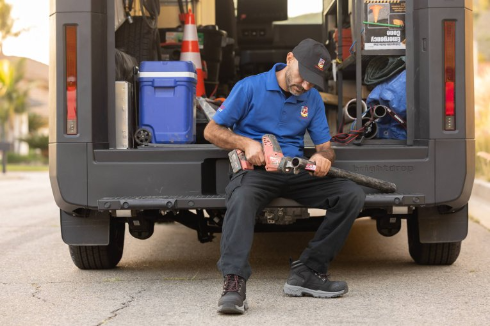
What Are Emergency Plumbing Situations?
Look, an emergency plumbing situation is not just an annoying drip from your bathroom faucet that keeps you awake. It is a full-blown crisis. We are talking about any pipe, drain, or appliance failure that threatens your safety, causes major property damage, or completely cuts off your fresh water or sanitation.
When things go sideways, it feels like a stressful race against the clock. I see so many homeowners struggle to figure out the difference between a minor weekend fix and a true 24/7 catastrophe. In my opinion, if you cannot use your toilet or if water is actively touching your drywall, it is an emergency—period. Do not second-guess it. Rooter Guard knows exactly how terrifying a midnight plumbing crisis feels. We design our emergency response services to handle the messy, high-stakes problems that a standard plunger simply cannot touch, giving you your peace of mind back when things look completely hopeless.
7 Critical Plumbing Disasters That Require Immediate Professional Help
Knowing what qualifies as a real emergency can save you thousands of dollars in cleanup costs. Here are the seven most severe issues where you need to call a licensed pro right away.
1. Burst or Fractured Pipes
A burst pipe is the ultimate disaster. When a water line cracks open, it can dump hundreds of gallons of water into your living room in less than an hour. This rapid flooding destroys drywall, ruins expensive flooring, and rots your home’s wood framing.
- Immediate Action Step: Find your main water shut-off valve right now and turn it clockwise. Stop the water before you even waste time calling a technician.
2. Severe Sewer Line Backups
If dirty, foul-smelling water is bubbling up through your basement floor drains, tubs, or toilets, you are in trouble. This means you have a sewer main line blockage. It is not just incredibly gross; it is a serious health hazard. Raw sewage carries nasty bacteria that can make your whole family sick.
3. Sump Pump Failure During Heavy Rain
If you have a basement, your sump pump is your main defence against rising groundwater. When a massive storm hits and your pump quits or loses power, your basement can fill up like a swimming pool within minutes. This opens the door for instant mould growth and ruins your water heater or furnace.
4. Water Heater Leaks or Implosions
A leaking water heater tank is a ticking time bomb. Because the tank keeps water under high pressure and intense heat, a weak structure can rupture entirely. This causes sudden flooding and is physically dangerous if anyone is standing near it when it pops.
5. Clogged Drains Across the Entire House
A single clogged sink is a minor annoyance. But if multiple drains in your kitchen, bathrooms, and laundry room all back up at the exact same time, the issue is buried deep inside your main drainage system. Trying to fix this with cheap grocery store chemical cleaners usually fails miserably and can actually melt your old pipes. You need a professional hydro-jetting service to blast it clear.
6. Overflowing Toilets That Will Not Stop
When a toilet clogs and water keeps rising past the rim, it creates an immediate sanitary mess. If turning the little valve behind the toilet does not stop the water from climbing, a deep sewer line restriction is likely forcing the waste backward.
7. Persistent Smells of Natural Gas
If your home uses natural gas for your water heater or furnace and you smell rotten eggs, you probably have a gas leak. Even though this involves gas lines rather than water pipes, emergency plumbers are licensed to handle gas repairs safely.
- Safety Alert: If you suspect a gas leak, do not touch any light switches or cell phones inside. Get out of the house immediately and call 911 from the front yard.
How to Safely Turn Off Your Main Water Supply
When a pipe cracks, your absolute first goal is to stop the water as fast as humanly possible. Think of your home’s plumbing like a garden hose: if you turn off the spigot at the wall, the hose stops spraying.
Step-by-Step Emergency Shutdown Guide
- Locate the Main Valve: Look for your main water shut-off valve. In most houses, it is on the inside perimeter wall where the main water line enters the home, or outside in a concrete box near the street.
- Isolate the Flow: If it is a gate valve (looks like a round wheel handle), spin it clockwise until it stops tight. If it is a ball valve (a straight lever), pull the handle so it sits sideways, perpendicular to the pipe.
- Relieve System Pressure: Go to the lowest level of your house and open the lowest faucet (like a basement laundry tub) to drain out the remaining water. This keeps water from continuing to bleed out of the broken pipe.
- Call the Experts: Once the water is totally off and the flooding stops, call Rooter Guard. We will send an emergency technician to fix the line correctly.
Proactive Strategies to Prevent Plumbing Disasters
While some mechanical parts just wear out, a little bit of regular maintenance goes a very long way in stopping a middle-of-the-night panic.
- Flush Your Water Heater Annually: Doing this once a year washes out heavy sediment buildup. This protects the tank from overheating and cracking early.
- Keep Your Drains Clean Naturally: Stop pouring liquid bacon grease, cooking oils, or thick food scraps down your kitchen sink. Use cheap mesh strainers in your showers to catch hair before it forms a giant clog.
- Keep an Eye on Water Pressure: Crazy high water pressure strains your pipes and joints. Install a pressure-reducing valve (PRV) to keep your home’s water pressure under 80 PSI so your pipes don’t burst.
Conclusion
Plumbing emergencies love to happen at the worst possible times. Ignoring them even for a couple of hours can easily turn a simple pipe fix into a massive, expensive home remodelling project. When water lines snap, sewage backs up, or gas lines leak, taking quick control of your main valves is your best shield. Once you turn off the source, let the pros handle the dirty work, so your home stays safe.
Rooter Guard provides fast, no-nonsense help to protect your property from serious water damage. Do not let a broken pipe ruin your budget or your sanity. Keep our emergency number handy, act fast when things break, and let our field technicians handle the hard stuff to get your home back to normal.
Frequently Asked Questions (FAQ)
What should I do first if a pipe bursts in my house?
Do not panic. Walk quickly to your main water shut-off valve and close it completely to stop the flooding. After that, open your lowest faucets to drain the lines, move your valuables away from the puddles, and call an emergency plumber immediately.
Can I use liquid chemical drain cleaners for a main line sewer backup?
No, please don’t. Chemical cleaners usually fail completely against deep main line blockages like tree roots or thick sludge. Worse, the chemicals sit in your pipes, get extremely hot, and can actually crack or warp your plumbing system from the inside out.
How do I know if a clog is just a local issue or a true main line emergency?
If only one sink or one toilet runs slowly, it is just a local clog. But if running your washing machine causes water to bubble up into your kitchen sink, or if multiple bathrooms back up at the exact same time, you have a serious main line issue that requires a professional.
Why is my water heater making a loud knocking sound?
That loud knocking or rumbling means you have a thick layer of rock-hard sediment sitting at the bottom of your tank. The water trapped underneath that gunk is boiling and exploding through the debris, causing the noise.