
According to the U.S. Environmental Protection Agency (EPA), about 1 in 5 U.S. homes uses a septic system. And here’s the part people miss: cleaning only removes the buildup. It doesn’t guarantee the system will run better afterward unless you actually improve how it behaves.
Septic systems don’t really get attention until something goes wrong. That’s the truth. Most homeowners only think about it when there’s a smell, a backup, or slow drains. We see this all the time at Septic Blue of Charlotte, especially after doing septic cleaning in Charlotte—people assume the job is done once the tank is cleaned. It’s not.
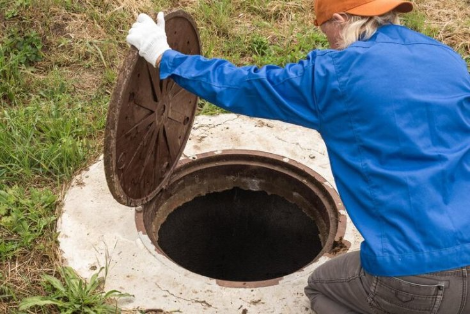
What improving septic performance actually means (in real life)
In simple terms, it means making sure your system doesn’t fall back into the same mess two months later.
Cleaning removes sludge. Sure. But performance improvement is about:
- Keeping the flow steady
- Helping bacteria recover
- Preventing fast re-clogging
- Protecting the drain field
If we don’t do that part, honestly, cleaning becomes temporary. And in our experience, that’s where most “cheap fixes” fail.
The problem most homeowners don’t see
Here’s what usually happens after a cleaning:
- Everything looks fine for a while
- Then the slow drains come back
- Then the smell starts
- Then the backups hit again
People think the cleaning didn’t work. But that’s not always true. The system just wasn’t stabilized after.
What often fails is ignoring what happens after pumping.
What usually works is follow-up care in the first few weeks.
Why post-cleaning care actually matters
We’ve seen systems fail faster after cleaning than before it—sounds weird, but it happens.
Why?
Because:
- Helpful bacteria are reduced during cleaning
- Water flow suddenly changes
- Old habits continue (too much water use, grease, wipes)
So the system gets shocked a bit.
Think of it like restarting a dirty engine. If you don’t tune it after, it runs rough again.
9 Ways We Improve Septic System Performance After Cleaning
Now let’s get into what we actually do. Some of this is simple. Some of it is just experience-based judgment.
1. We bring bacteria back (this matters more than people think)
After cleaning, the tank is too “clean” in a bad way. You lose good bacteria that break down waste.
What usually works:
- Adding safe bacterial boosters
- Letting natural waste restart digestion
What often fails:
- Doing nothing and assuming it will recover on its own
It does recover, but slowly. And during that slow phase, problems start.
2. We check how smoothly the waste is moving
We don’t just look at the tank. We check the flow.
If flow is:
- Too slow → blockage risk
- Too fast → solids escape
Both are bad.
Simple way to think about it: water should move like a calm river, not a stuck drain or a rushing pipe.
3. We fix water usage habits (this is where most homes go wrong)
This is one of the biggest issues we see.
People overload systems right after cleaning:
- Back-to-back laundry
- Long showers
- Running dishwasher and washer together
What usually works:
- Spacing water use throughout the day
What fails almost every time:
- “We didn’t change anything after cleaning” mindset
Honestly, this alone causes half of the repeat problems.
4. We make sure the drain field isn’t struggling
If the drain field is weak, nothing else matters.
We look for:
- Wet patches
- Slow absorption
- Root blockage
EPA also notes drain field failure as one of the most common septic system problems.
Personal opinion here:
If your drain field is failing, no amount of cleaning will save you long-term. It’s like patching tyres on a car with a broken axle.
5. We clear leftover grease and hidden buildup
Even after cleaning, small residue stays behind.
We usually flush and check for:
- Grease layers
- Soap buildup
- Fine sludge
What often fails:
- Assuming “pumped = fully clean”
That’s not how it works in real life.
6. We check the tank balance and levels
We measure:
- Water level
- Solid separation
- Outlet performance
If levels look off, something deeper is wrong.
| What we check | Good sign | Bad sign |
| Water level | Stable | Too high/low |
| Solids | Settled bottom | Floating layer |
| Outflow | Smooth | Jerky/slow |
This step is boring, but it saves a lot of future headaches.
7. We actually talk to homeowners (this matters more than tools)
Not everyone likes hearing this, but most septic problems come from habits.
We usually tell people:
- Stop flushing wipes (even “flushable” ones)
- Don’t pour grease
- Use water in balance
What usually works:
- Small habit changes
- Awareness
What fails:
- Ignoring advice and expecting better results anyway
Simple truth: the system only handles what you send into it.
8. We set realistic maintenance timing
A lot of companies overpromise here.
Standard rule:
- 3–5 years for most homes
But real life is different:
- Big families → more frequent cleaning
- Heavy water use → shorter cycles
What fails:
- Waiting until there’s a smell or backup
That’s always too late.
9. We watch the early warning signs after service
Right after cleaning, we tell homeowners to watch for:
- Strange smells
- Slow sinks or toilets
- Gurgling sounds
- Wet yard spots
What usually works:
- Catching issues early
What fails:
- Ignoring small signs until they become big repairs
Honestly, septic systems always whisper before they shout.
How do all these steps connect
This is important.
None of these steps works alone.
- Bacteria helps breakdown
- Breakdown improves flow
- Flow protects the drain field
- The drain field keeps the system stable
If one part breaks, everything slows down.
It’s like a chain. Weak link = system trouble.
Real situation we’ve seen
We had a homeowner who kept getting backups every few months.
After cleaning, we:
- Restored bacteria
- Adjusted water use habits
- Checked the drain field pressure
Result:
No issues for over 2 years.
Nothing fancy. Just consistent follow-through.
My honest judgment (based on experience)
If I had to be blunt:
Most septic systems don’t fail because they’re old. They fail because nobody adjusts their behavior after cleaning.
Cleaning alone is not the solution. It’s the reset button.
What actually works long-term is what happens after that reset.
Conclusion
Improving septic system performance after cleaning is not as hard as people think, but it does take real attention and a few smart habits. At Septic Blue of Charlotte, we’ve noticed that most systems don’t fail because they were cleaned incorrectly, but because nothing changes after the cleaning is done. The way a system is used afterward matters just as much as the cleaning itself. Small steps like managing water use, avoiding harsh waste, and keeping an eye on early warning signs make a big difference. In simple terms, a septic system needs care even after it looks clean, or problems tend to come back faster than expected.
FAQs
1. Does septic cleaning automatically improve performance?
Septic cleaning resets the system, but doesn’t automatically improve performance. Real results come after we manage flow, bacteria balance, and daily water use carefully.
2. Why does my system act up after cleaning?
Your system can act up after cleaning because bacteria balance is disturbed and the flow changes quickly. It usually stabilizes once everything settles and usage is adjusted.
3. What is the most important step after cleaning?
The most important step after cleaning is managing water use. We’ve seen that balanced usage helps keep the system stable and prevents early issues.
4. How long does it take to stabilize after cleaning?
After cleaning, a septic system usually takes a few days to a couple of weeks to stabilize. We see it settle faster when water use is balanced, and bacteria recover naturally.
5. Can bad habits ruin a freshly cleaned system?
Yes, bad habits can ruin a freshly cleaned system quickly. We see issues return when wipes, grease, and heavy water use overload the tank again.