
Electricity keeps our homes comfortable, connected, and productive—but when it’s not handled correctly, it can also become dangerous. Over the years, we’ve seen how small electrical issues turn into serious safety risks when they’re ignored or handled the wrong way. As a trusted electrician in Littleton, we believe safety starts with knowledge, awareness, and proper workmanship.
This guide shares the top 9 electrical safety tips we give homeowners every day. These aren’t theory-based ideas—they come from real work, real homes, and real problems we’ve fixed across the USA.
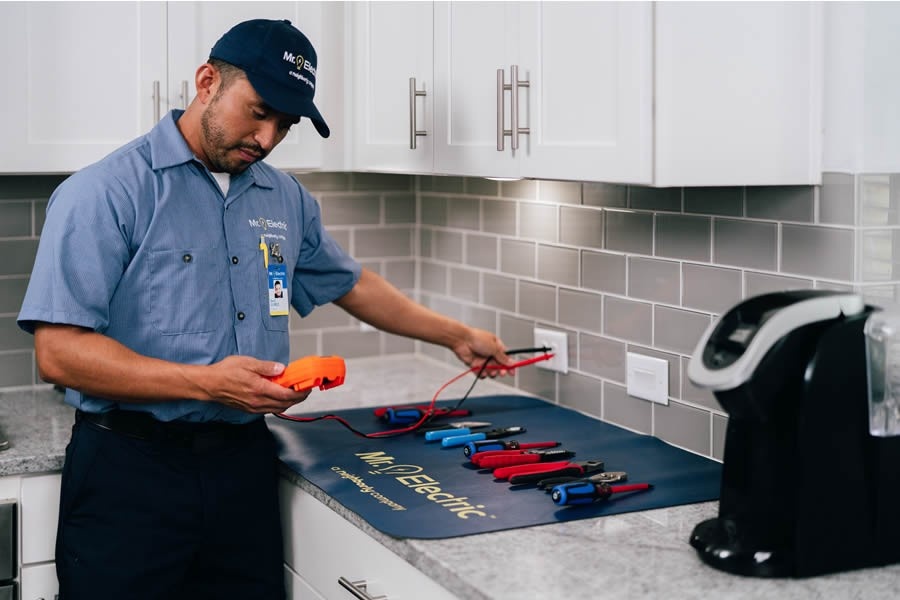
Why Electrical Safety Matters More Than Most Homeowners Think
Most electrical hazards don’t start with sparks or smoke. They start quietly—behind walls, inside panels, or at outlets that look fine on the surface. Loose connections, aging wiring, and overloaded circuits often go unnoticed until something fails.
We regularly respond to homes where:
- Breakers trip repeatedly
- Lights dim or flicker.
- Outlets feel warm
- Appliances stop working without warning.
These signs usually point to deeper issues. Understanding and acting early is what keeps homes safe and prevents costly repairs.
How Professional Electricians Help Prevent Electrical Hazards
Electrical systems are designed to work within specific limits. When those limits are exceeded or bypassed, safety is compromised. Our role as licensed electricians is to make sure every component—wiring, outlets, panels, and devices—works together correctly and safely.
Now, let’s walk through the most important safety tips every homeowner should know.
1. Why Should You Never Ignore Flickering or Dimming Lights?
Flickering lights aren’t just annoying—they’re often a warning sign.
What Flickering Lights Usually Mean
- Loose wiring connections
- Overloaded circuits
- Aging electrical panels
- Failing light fixtures
Think of electricity like water flowing through pipes. If the pressure keeps changing, something isn’t right inside the system.
What We Recommend
If lights flicker when appliances turn on or off, the circuit may be overloaded. This should be checked by an electrician before the wiring overheats or fails.
2. How Can Overloaded Outlets Become a Fire Risk?
One of the most common safety issues we see is too many devices plugged into one outlet.
Why Overloading Happens
Modern homes use more electronics than older electrical systems were designed to handle. Power strips and extension cords often make the problem worse.
Signs of an Overloaded Outlet
- Warm or hot outlet covers
- Frequent breaker trips
- Buzzing sounds
- Discolored outlet plates
Safer Alternatives
Instead of adding more cords, we recommend installing additional outlets or dedicated circuits for high-demand appliances.
3. What Makes GFCI Outlets So Important?
GFCI outlets are designed to shut off power instantly when they detect unsafe electrical flow.
Where GFCIs Should Be Installed
- Kitchens
- Bathrooms
- Laundry rooms
- Garages
- Outdoor outlets
Why They Matter
Water increases the risk of electrical shock. GFCIs reduce that risk by cutting power before injury occurs.
Simple Maintenance Tip
Test GFCI outlets monthly using the “test” and “reset” buttons to make sure they’re working properly.
4. Is DIY Electrical Work Ever Safe?
We understand the appeal of do-it-yourself projects. However, electrical work is one area where mistakes can have serious consequences.
Common DIY Electrical Mistakes We Fix
- Incorrect wire connections
- Improper grounding
- Wrong wire sizes
- Missing safety devices
Even small errors can lead to shock hazards or hidden fire risks.
When to Call a Professional
Any project involving wiring, breaker panels, or hardwired fixtures should be handled by a licensed electrician to ensure safety and code compliance.
5. Why Extension Cords Should Never Be a Permanent Fix
Extension cords are meant for short-term use, not as a replacement for proper wiring.
Risks of Long-Term Extension Cord Use
- Overheating
- Tripping hazards
- Fire risk
- Cord damage hidden under rugs or furniture
Better Solution
If you rely on extension cords daily, your home likely needs additional outlets or upgraded circuits.
6. When Should You Replace Old or Outdated Wiring?
Older wiring systems were not designed for today’s electrical demands.
Common Types of Outdated Wiring
- Knob-and-tube wiring
- Aluminum wiring
- Cloth-insulated wiring
Warning Signs
- Burning smells
- Frequent breaker trips
- Dimming lights
- Warm switch plates
Replacing old wiring improves safety, efficiency, and reliability—especially in older homes.
7. How Do Circuit Breakers Protect Your Home?
Circuit breakers are your home’s first line of defense against electrical overloads.
What Breakers Do
They shut off power when a circuit draws too much electricity, preventing wires from overheating.
When Breakers Become a Problem
If a breaker trips repeatedly, resetting it isn’t the solution. The cause—often an overloaded or faulty circuit—needs to be addressed.
Professional Insight
We often find that repeated trips signal the need for circuit upgrades or panel improvements.
8. What Are Arc Faults, and Why Are They Dangerous?
Arc faults occur when electricity jumps across damaged or loose wiring connections.
Why Arc Faults Are Serious
- They can start fires without visible warning
- They often happen behind walls.
- They may not trip the standard breakers.
How AFCIs Help
Arc Fault Circuit Interrupters (AFCIs) detect these dangerous conditions and shut off power before a fire can start. Many modern electrical codes require them in living spaces and bedrooms.
9. How Often Should You Schedule an Electrical Safety Inspection?
Electrical systems change as homes age and usage increases.
Recommended Inspection Timing
- Every 3–5 years for older homes
- After major renovations
- Before purchasing a home
- When safety concerns appear
What an Inspection Covers
- Wiring condition
- Panel capacity
- Outlet and switch safety.
- Grounding and bonding
- Code compliance
Regular inspections help catch small issues before they become expensive or dangerous.
Why Homeowners Trust Our Experience
At Mr. Electric of Littleton, we approach every home as if it were our own. We don’t rush inspections or offer one-size-fits-all solutions. Our goal is to provide clear explanations, practical options, and safe results that homeowners can rely on.
Electrical safety isn’t about fear—it’s about prevention, planning, and professional care.
Conclusion
Electrical safety requires attention, planning, and responsible care. Small warning signs such as loose outlets, dimming lights, or frequent breaker trips often point to larger concerns that deserve prompt action. Proper maintenance and qualified electrical service help reduce risk while supporting reliable performance throughout the home. When electrical systems receive the right level of care, families gain greater protection and lasting peace of mind. Professional guidance plays an important role in keeping homes safe, efficient, and prepared for everyday electrical demands.
(FAQ)
1. Is it safe to reset a breaker that keeps tripping?
We reset a breaker once to test it. Repeated trips signal overload or wiring issues, so we recommend a professional check.
2. Why do my outlets feel warm?
Warm outlets often indicate loose wiring or overloads. This should be checked promptly to prevent damage or overheating.
3. Do older homes need electrical upgrades?
Older homes often need electrical upgrades to safely handle modern power use. We see outdated wiring and panels that no longer meet today’s demands.
4. How do I know if my home has enough electrical capacity?
Our home may lack capacity when breakers trip often, lights dim, or extra cords are needed. These signs usually mean the system needs an upgrade.
5. Are surge protectors enough to protect electronics?
Surge protectors help, but they offer limited coverage. We often recommend whole-home protection to guard electronics from larger power surges.