
Plumbing problems never show up at a good time. That’s just how it goes. One day everything feels fine, and the next you’ve got water where it shouldn’t be. We’ve seen it enough times that it’s honestly predictable at this point.
At Rooter Guard, we focus on stopping those surprises before they happen. And yes, people often find us while searching for a professional plumber in Santa Monica, usually after something already went wrong.
One thing most homeowners don’t realise is that small leaks are a big deal. The EPA says household leaks waste nearly 1 trillion gallons of water every year in the U.S. That’s not a small number. That’s basically a silent problem happening in millions of homes.
So here’s how we actually protect homes—not in theory, but in real work we do every day.
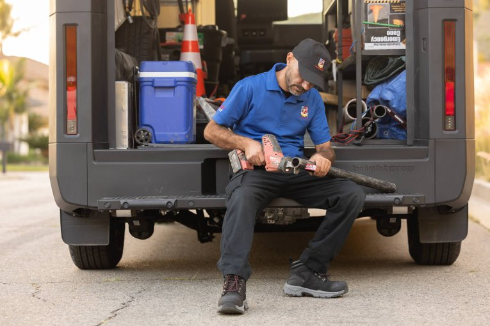
What “protecting your plumbing” really means
To keep it simple, it means we try to catch problems before they become emergencies.
Not everything works perfectly, though. Some homeowners wait too long, hoping a slow drain or small stain will “fix itself.” It never does. That’s usually when things get expensive.
Most of the time, prevention beats repair. But only if it’s done early enough.
Why plumbing problems keep happening
From what we’ve seen, plumbing issues don’t come out of nowhere. They build slowly.
Common causes:
- Old pipes are getting weak
- Hard water leaves buildup inside the lines
- Tree roots sneaking into sewer lines (this one is worse than people think)
- DIY fixes that don’t really hold
- Ignoring small leaks for months
Honestly, the biggest mistake people make is ignoring early signs. A dripping faucet seems harmless until the water bill jumps or mould starts showing up.
How we actually approach prevention
We don’t just show up, fix something, and leave. That’s reactive work. It solves today’s problem but doesn’t stop tomorrow’s.
What usually works better is:
- Checking hidden areas
- Testing water pressure
- Cleaning drains before they fully clog
- Inspecting pipes that look “fine” but aren’t
What often fails is waiting for something to break first. That approach always costs more. Always.
9 Ways We Protect Your Home From Unexpected Plumbing Issues
1. We find leaks before you even see them
Hidden leaks are the worst. You don’t see them, but they quietly cause damage.
We use leak detection tools and thermal scans to find moisture inside walls and floors. And trust me, this is where most big repair bills start.
A small leak might not look serious. But if ignored, it can turn into mould or damaged flooring. That’s usually when homeowners call in panic.
2. We inspect the full system, not just the problem
Some people only fix what’s broken. We don’t do that.
We check pipes, drains, water heaters, and valves together. It’s like checking the whole car instead of just changing one tyre.
What works here is full inspection.
What fails is “quick fix only” thinking.
Because more often than not, there’s another issue waiting right behind the first one.
3. We clean drains before they completely clog
Most clogs don’t happen overnight. They build up slowly.
Grease, hair, soap. It all sticks inside pipes over time.
We use hydro-jetting or snaking depending on the situation. Hydro-jetting works really well for heavy buildup. Snaking is okay for smaller blockages, but it doesn’t always fully clean the pipe.
That’s the honest truth—snaking alone often comes back with repeat clogs.
4. We control water pressure (this one gets ignored a lot)
High water pressure feels nice in the shower. But it’s bad for pipes.
We usually keep it between 40–60 PSI. Anything higher starts stressing the system.
What works:
- Pressure regulators
- Simple adjustments
What fails:
- Ignoring pressure issues because “it still works fine”
That “fine” usually doesn’t last long.
5. We check the pipe condition before failure happens
Old pipes don’t suddenly collapse. They warn you first.
We look for rust, weak joints, and discolouration in water.
One personal opinion here—people really underestimate how important pipe age is. If pipes are over 30–40 years old, you’re basically running on borrowed time.
Replacing early is expensive, yes. But emergency replacement is worse.
6. We inspect sewer lines with cameras
Sewer problems are not fun to deal with. And honestly, they’re expensive if ignored.
We use cameras to look inside underground pipes. No guessing. No digging first.
What works:
- Camera inspection
- Early root detection
What fails:
- Waiting until sewage backs up inside the home
That’s the point where everything becomes urgent and stressful.
7. We maintain water heaters before they fail
Most people forget water heaters exist until they stop working.
We flush out sediment and check safety valves.
What usually works is yearly maintenance.
What often fails is “I’ll deal with it later.”
Later usually means cold showers or sudden leaks.
8. We teach homeowners where the shut-off valve is
This one sounds simple, but it matters a lot.
If a pipe bursts, knowing how to shut the water off quickly saves thousands.
We show homeowners:
- Main shut-off location
- Basic emergency steps
- What to do first during leaks
Honestly, this is one of the most useful things we do, even though it’s not “repair work.”
9. We prepare plumbing for seasonal changes
Weather affects pipes more than people think.
Cold weather can freeze pipes. Heat can shift soil and stress underground lines.
We usually recommend:
- Insulating exposed pipes
- Checking outdoor faucets
- Pre-season inspections
What works is prevention before the season changes.
What fails is waiting until the damage happens.
A real situation we saw recently
We visited a home where everything looked normal. No leaks. No visible issues.
But the water bill was slightly higher than usual.
Turns out, there was a hidden slab leak under the floor.
Nothing dramatic at first. But if left alone, it would’ve caused mould and foundation damage.
Fixing it early made the whole situation simple. Waiting would’ve made it a disaster.
That’s usually how plumbing problems go.
Conclusion
At the end of the day, plumbing problems aren’t really “surprises” if you think about it. Most of them start small and quietly grow until they become hard to ignore. We’ve seen it happen too many times—what could’ve been a simple fix turns into a stressful, expensive repair just because it was delayed.
From our experience at Rooter Guard, the homes that stay trouble-free are the ones where people take small warning signs seriously. A little leak, a slow drain, or a weird noise in the pipes—these things usually mean something is building up behind the scenes.
If there’s one honest takeaway here, it’s this: don’t wait for a full breakdown to take action. A bit of attention today can save a lot of damage tomorrow. And that’s really the whole idea behind how we work—we try to keep things simple, steady, and under control before anything gets out of hand.
FAQs
1. How often should plumbing be checked?
Most homes should get a plumbing check once a year. If the house is older or you notice leaks or slow drains, it’s better to check every 6 months to avoid bigger issues later.
2. What’s the most common hidden issue?
The most common hidden plumbing issue is small leaks inside walls or under floors. They usually go unnoticed for months and slowly cause water damage, mould, and higher water bills over time.
3. Do small leaks really matter?
Yes, small leaks do matter. They may look harmless, but over time, they waste water, increase bills, and can lead to mould or hidden damage inside walls if ignored for too long.
4. What’s the biggest mistake homeowners make?
The biggest mistake homeowners make is ignoring small plumbing issues like slow leaks or drains. Waiting too long usually turns a simple, cheap fix into a costly repair later on.
5. Is preventive plumbing worth it?
Yes, preventive plumbing is worth it. Regular checks and small maintenance help catch issues early, avoid sudden breakdowns, and save a lot more money than emergency repairs later.