
Most homeowners in the USA don’t really think about their septic system until something goes wrong. Honestly, it just sits underground doing its job quietly. No sound, no alerts, nothing obvious. People only start paying attention when drains slow down, toilets act strangely, or a bad smell shows up outside.
According to the U.S. Environmental Protection Agency (EPA), around 1 in 5 homes in the United States uses a septic system. That’s millions of households depending on something most people rarely think about.
That’s exactly why services like septic pumping in Wesley Chapel matter more than people realise. It’s not fancy work, but it keeps your home safe, clean, and away from expensive problems.
Let’s break it down in simple, real-world terms—what works, what fails, and what actually happens when people ignore septic care.
What septic pumping really means (simple version)
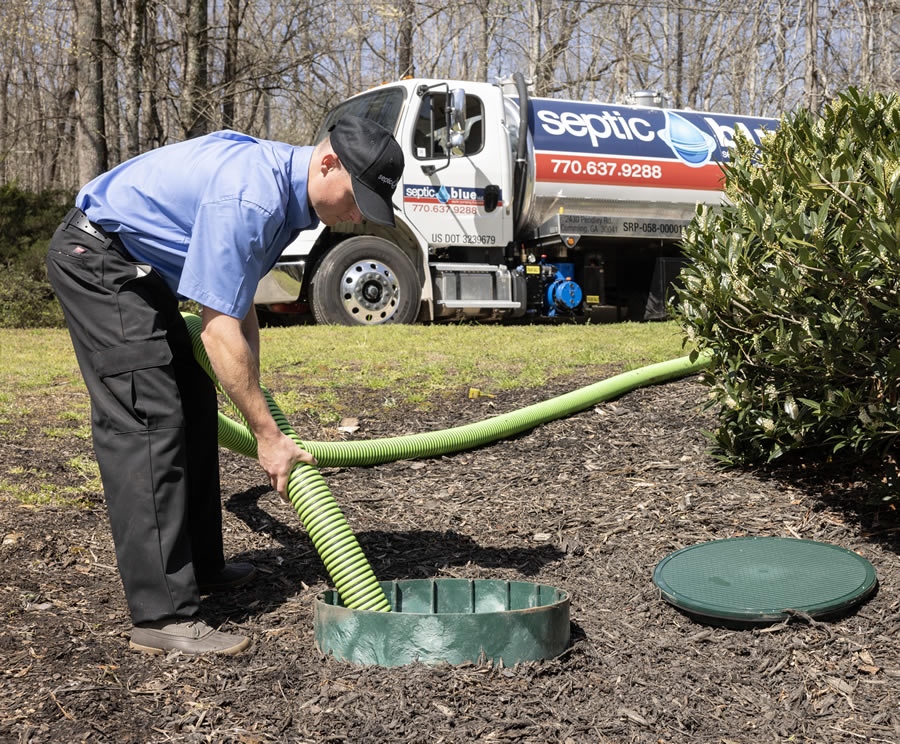
Septic pumping is just cleaning out your septic tank. Over time, solid waste collects at the bottom of the tank. Liquids flow out, but the heavy waste stays behind.
If that waste is not removed, the tank slowly fills up. Think of it like a trash bin you never empty. At first, nothing looks wrong. But slowly, it starts smelling, overflowing, and creating bigger problems you didn’t expect.
That’s why pumping is needed every few years.
1. Stops sewage backups inside the home
This is the problem nobody wants to experience, but many do.
When the septic tank is full, wastewater has nowhere to go. It starts reversing direction and comes back through toilets, sinks, and tubs. It’s messy, stressful, and not something you forget.
What usually works
Regular septic pumping every 3–5 years. That simple step prevents pressure buildup in the system.
What usually fails
Waiting until the drains slow down or a smell appears. At that point, the system is already overloaded.
Real talk: Once backup happens, you’re not doing maintenance anymore—you’re doing emergency cleanup.
2. Reduces health risks from bacteria
Septic waste contains bacteria and harmful organisms. Normally, they stay sealed underground. But when the system is full or leaking, exposure risk increases.
The CDC warns that sewage exposure can cause infections, stomach illness, and skin issues.
What works
Keeping the tank from overflowing through scheduled pumping.
What fails
Using cleaners, powders, or “septic treatments” and thinking that solves hygiene issues.
Simple truth: If waste is not removed, no product will fix the real problem.
3. Removes strong and unpleasant odours
A full septic tank creates gas buildup. The smell is sharp, unpleasant, and spreads quickly around the yard or even inside the house.
What works
Pumping removes the waste, causing gas buildup.
What fails
Air fresheners, powders, or odour sprays. They only cover the smell for a short time.
Personal opinion: Smell is usually the first warning sign, but by the time people react to it, the tank is already overdue for service.
4. Protects groundwater and drinking water safety
This is one of the most serious parts that people often ignore.
If a septic system leaks, bacteria can enter the soil and reach groundwater. Many homes in rural or suburban areas depend on wells for drinking water, so this becomes a real health concern.
What works
Routine pumping that prevents overflow and keeps waste contained.
What fails
Ignoring early signs like wet patches in the yard or slow drains.
Think of it like this: dirty water should never mix with clean drinking water. Once it does, fixing it becomes difficult and expensive.
5. Helps the septic system last longer
A septic system is not something you replace often. When it fails, replacement costs can be very high.
What works
Regular pumping reduces pressure on pipes, tank walls, and the drain field.
What fails
Only call for service when something breaks.
Real-world truth: Most system failures don’t happen suddenly. They happen slowly over years of neglect.
6. Protects the drain field from damage
The drain field is the underground area that filters wastewater into the soil. It is one of the most important parts of the system.
If solid waste escapes the tank, it clogs the soil and stops proper drainage.
What works
Removing solids before they reach the drain field.
What fails
Assuming the drain field can “handle extra load.”
Once a drain field fails, repairs can cost thousands and sometimes require full replacement.
7. Improves overall home hygiene
A septic system problem doesn’t stay outside. It slowly affects your home environment.
You may notice:
- slow flushing toilets
- gurgling pipes
- Bad smells indoors, damp areas in bathrooms, or the yard
What works
Regular pumping and basic inspection every few years.
What fails
Ignoring small warning signs and hoping they disappear.
Simple way to understand it: Your septic system is like your home’s hidden cleaning system. When it struggles, everything feels off.
8. Saves money on emergency repairs
Emergency septic repairs are expensive and stressful. There’s no way around it.
A full system failure can cost thousands, depending on damage and location.
What works
Preventive pumping on schedule.
What fails
Waiting until something breaks.
My honest judgment: This is one of those situations where small regular spending saves a lot of money later. Most homeowners only realise this after their first major repair bill.
What actually works in real life
From real-world situations, one thing becomes clear:
- Scheduled pumping works consistently
- Waiting for symptoms usually leads to damage
- Quick fixes rarely solve long-term issues
Septic systems don’t fail overnight. They fail slowly, quietly, and often without warning signs that people notice early enough.
Real example from everyday homes
A common situation goes like this:
A homeowner skips septic maintenance for years. Everything seems fine at first. Then suddenly:
- toilets start backing up
- The yard starts smelling bad
- drains slow down completely
By the time help arrives, the system is already damaged. Repair costs can reach thousands of dollars.
On the other hand, homes that follow a simple pumping schedule rarely face these emergencies. The system just works quietly in the background.
Step-by-step guide for homeowners
Here’s a simple routine that actually works:
- Don’t wait for smells or backups
- Watch for slow drains or strange toilet sounds
- Schedule pumping every 3–5 years
- Hire trusted professionals like septic pumping in Wesley Chapel
- Keep a basic record of service dates
Nothing complicated. Just consistency.
Why professional service matters
Septic systems are not something to guess with. Professional service ensures:
- safe waste removal
- proper tank inspection
- early detection of damage
- correct disposal methods
Trying to delay or DIY this usually creates more problems than it solves.
Conclusion
Septic systems are easy to ignore because they sit hidden underground and do their job quietly every day. But the moment they fail, things get messy fast—bad smells around the yard, slow drains, gurgling pipes, and sometimes even sewage backing up into the home. It’s never a small inconvenience when it happens; it turns into a real problem that affects hygiene and safety. Regular septic pumping is one of the simplest ways to avoid all of that. It keeps the tank clean, improves flow, and helps the whole system work without pressure building up. From what I’ve seen, homes that stick to routine pumping rarely face major issues, while the ones that delay it usually end up with expensive repairs and stress they didn’t expect. At the end of the day, septic care is simple—handle it on time, and your home stays safe, clean, and problem-free for years.
FAQs
1. How often should septic pumping be done?
Most homes in the USA need septic pumping every 3 to 5 years. It depends on family size, water usage, and tank capacity. Bigger households usually need it more often.
2. What are the early signs that my septic tank is full?
Common signs include slow drains, gurgling sounds in pipes, bad smells around the yard, and toilets not flushing properly. These signs usually show the tank is getting overloaded.
3. Can I delay septic pumping if everything looks fine?
You can, but it’s risky. Many systems look fine on the outside, while sludge is already building up inside. Waiting too long often leads to backups or system damage.
4. What happens if I completely ignore septic pumping?
Ignoring it can lead to sewage backups in your home, drain field failure, groundwater contamination, and expensive repairs. In worst cases, the whole system may need replacement.
5. Does septic pumping improve home hygiene?
Yes. It reduces bacteria buildup, prevents waste overflow, removes bad odors, and keeps your home environment clean and safe.