
Water damage is one of those problems that looks small at first and then suddenly becomes a headache you didn’t expect. A tiny drip today. A soft wall spot next week. And before you know it, you’re dealing with repairs that cost way more than you planned.
The U.S. Environmental Protection Agency (EPA) says household leaks waste about 1 trillion gallons of water every year, according to the EPA WaterSense Program. That’s not just wasted water. A good chunk of it quietly turns into hidden damage inside homes.
We’ve seen this pattern again and again. People ignore early signs because everything still “works fine.” Then later, they end up urgently searching for a professional plumber in West Covina when the damage is already real.
So let’s talk honestly about the Ways a Plumber Helps Protect Your Home, what actually works in real life, what usually fails, and what I personally think matters most.
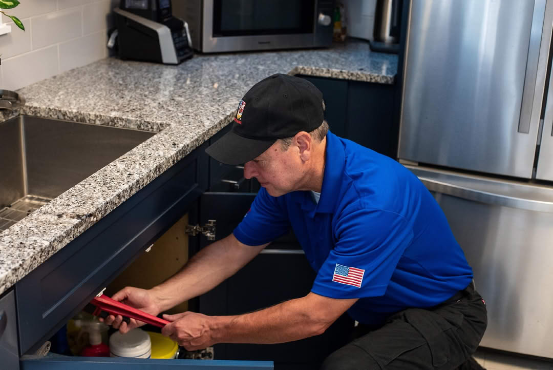
Water damage doesn’t start big (this is the mistake)
Most homeowners think water damage means a pipe bursts and floods the house.
That happens, but not often.
Most of the time, it starts like this:
- A slow leak under a sink
- A pipe sweating behind a wall
- A drain that’s getting slower every week
- Water pressure that’s slightly too strong
- A water heater that drips a little, but “not enough to worry about.”
Nothing looks urgent. That’s why it gets ignored.
And that’s exactly how damage builds up.
1. Finding hidden leaks early (this is where money is saved)
What usually works
Leak detection tools are really useful these days. Moisture meters and thermal cameras help us find hidden leaks without breaking walls or guessing. In most cases, this saves a lot of time and avoids unnecessary repair work.
What often fails
Homeowners are trying to figure it out on their own. I’ve seen people open random walls, thinking they found the leak, only to realize the real problem is somewhere else.
My honest opinion
This is where professional plumbing actually matters. Hidden leaks are silent damage. You don’t notice them until the repair bill gets big. Honestly, this is one job I would never suggest doing as a DIY.
2. Pipe inspections (not exciting, but important)
What works
Checking old pipes, joints, and fittings before they fail. We look for rust, moisture, and weak spots so problems can be fixed early instead of waiting for a breakdown.
What fails
Waiting for a pipe to burst. That “let’s see what happens” mindset usually ends in expensive repairs and water damage.
Simple truth
Pipes always give warning signs. Most people just don’t notice them. It’s like ignoring a strange sound in your car until it completely stops working.
3. Water pressure control (most people ignore this completely)
What works
Installing or adjusting a pressure regulator so water stays in a safe range, usually around 40–60 PSI. This protects pipes and appliances from stress.
What fails
Ignoring strong water flow just because it feels good in the shower or sink.
Real talk
High water pressure feels great at first, but it slowly wears everything down. It’s one of those hidden causes of leaks people rarely think about.
4. Drain cleaning (store chemicals are not the answer)
What usually works
Using proper tools like augers or hydro-jetting when the buildup is heavy or deep inside pipes.
What often fails
Chemical drain cleaners. They give quick relief but don’t solve the real clog inside the line.
Real-life example
Grease builds up slowly in kitchen pipes. One day, water stops draining properly and starts backing up during normal use.
Simple way to see it
A drain is like a narrow road. Grease is traffic. Over time, everything slows down until it blocks completely.
5. Slab leaks (the silent problem under your feet)
What works
Professional leak detection tools that locate water under concrete without breaking floors unnecessarily.
What fails
Ignoring warning signs like higher water bills, warm floor spots, or a damp smell.
Why it matters
Water under a foundation doesn’t just leak—it slowly weakens the structure over time.
Honest opinion
This is one of the worst plumbing problems because people usually find it too late, after damage has already started.
6. Sump pumps (basement protection that people forget)
What works
A properly installed sump pump that is tested regularly, especially before rainy seasons.
What fails
Installing it once and never checking it again.
Simple explanation
A sump pump is like a safety guard that stays quiet until water shows up.
Real risk
If it fails, you usually find out during a flood, and by then it’s already a problem.
7. Water heater maintenance (boring but important)
What works
Flushing out sediment, checking pressure valves, and looking closely for rust or small leaks helps keep the water heater running safely and longer. These simple checks can prevent bigger issues later.
What fails
Waiting until the unit completely breaks or starts leaking badly. By that time, damage is already done.
Real truth
Water heaters usually show warning signs, but most homeowners ignore them.
Simple fact
When they fail, they can release a lot of water fast and damage floors or nearby walls quickly.
8. Emergency plumbing response (speed is everything here)
What works
Shutting off the main water supply quickly, stopping the leak at the source, and taking immediate steps to control the damage. Fast action usually makes a big difference in how much damage happens.
What fails
Waiting around to see if the leak slows down or “fixes itself.” It never does.
Simple reality
Water spreads fast into floors, walls, and insulation, and the damage grows every minute.
My judgment
In emergencies, speed matters more than anything. A quick temporary fix is always better than delaying action.
What most homeowners get wrong
Here’s the real pattern I see:
People treat plumbing like a “break-fix” system.
Something breaks → then they fix it.
But plumbing damage usually doesn’t work like that. It builds slowly over time. Quietly. Until it’s too big to ignore.
That delay is what makes repairs expensive.
Prevention vs reaction (simple comparison)
| Situation | What people do | What actually helps |
| Small leak | Ignore it | Fix early |
| Slow drain | Use chemicals | Clean properly |
| High pressure | Ignore it | Adjust regulator |
| Old pipes | Wait | Inspect regularly |
How we actually see it on the job
In real homes, most damage is preventable.
At Rooter Guard, the focus is not just on fixing problems. It’s stopping the next one.
That means:
- Finding leaks before they spread
- Catching weak pipes early
- Keeping pressure under control
- Clearing drains properly
- Responding fast in emergencies
If someone is already searching for a plumber in West Covina, it usually means a small issue has already started turning into something bigger.
Final thoughts
Water damage doesn’t usually happen all at once. It starts small and slowly gets worse when no one pays attention. A tiny leak, a loose pipe joint, or a slow drain may not look serious in the beginning, but over time, it can spread into walls, floors, and ceilings. The real Ways a Plumber Helps Protect Your Home is simple—spot these problems early and fix them before they turn into costly repairs. From our experience, most plumbing systems are fine; the real problem is the delay. And honestly, dealing with issues early always saves money, time, and stress in the long run.
FAQ
How often should plumbing be checked?
We usually suggest checking plumbing once a year. It helps catch small leaks, pipe wear, or pressure issues early. From our experience, yearly checks prevent costly water damage and repairs.
What causes most water damage?
Most water damage is caused by small hidden leaks, burst pipes, clogged drains, and high water pressure. From our experience, ignoring early signs usually turns small issues into costly home damage.
Can plumbers really prevent damage?
Yes, plumbers can prevent most water damage by spotting leaks early, fixing weak pipes, and controlling pressure. From our experience, early action stops small issues from becoming costly repairs.
Are chemical drain cleaners safe?
Chemical drain cleaners are not fully safe for pipes. They may clear small clogs, but can damage old plumbing over time. From our experience, mechanical cleaning is always a safer and better option.
What’s normal water pressure?
Normal home water pressure is usually between 40 and 60 PSI. From our experience, anything higher can stress pipes and cause leaks, while lower pressure may reduce water flow and comfort in daily use.