
Are you worried your partner might be cheating and want to know the truth? Taking a lie detector test can help you uncover hidden reactions and gain clarity about the situation. Also known as a polygraph test, a lie detector test for cheating monitors changes in the body, such as heart rate, breathing, and sweating. The goal is to understand how a person reacts to certain questions. During a session, a trained examiner asks a series of questions and observes the responses to gain insight into the situation. The test can highlight key concerns and help you approach conversations with more confidence. Many people use it as a tool to better understand emotions and reactions in cases of infidelity, rather than as a final answer.
By providing guidance and focus, a lie detector test can help bring clarity and create space for honest discussion. It can also make it easier to address doubts calmly and thoughtfully, giving both partners a chance to communicate openly. Let’s find out how lie detector tests work and what to expect during a session.
How Lie Detector Tests Work in Cheating Cases
When it comes to cheating accusations, lie detector tests track subtle changes in the body to provide insight into a person’s reactions. They measure things like heart rate, breathing, and skin responses while questions are asked. The purpose is not to label someone as truthful or dishonest but to observe patterns in how the body responds to certain topics.
Examiners use these observations to better understand reactions and guide further discussion. Lie detector tests are tools to help reveal underlying emotions and concerns in sensitive situations. Let’s take a closer look at what happens during a typical lie detector session.
Initial Preparation for the Test
Before a lie detector test begins in a cheating case, the examiner starts by setting the right environment. They explain the process in clear terms, walk through each step, and answer any basic questions. This early stage helps the person relax so their natural responses stay steady. The examiner also ensures the room is quiet and the equipment is ready. This preparation makes the session smoother and supports clearer readings later in the test.
Attaching the Sensors
Once the initial preparation is complete, the examiner begins placing the sensors in the correct positions to track physical responses. Each sensor has a specific purpose, such as noting breathing shifts, pulse changes, or skin reactions. The placement is done carefully so the readings stay clear and steady.
The person being tested simply sits in a comfortable position while the examiner checks each signal on the monitor. This stage ensures the equipment is ready to capture consistent information during the next steps.
Baseline and Key Questions
During this part of the test, the examiner follows a planned sequence to keep the session balanced. They may start with neutral questions and then smoothly shift to ones related to the issue. Each question is designed to prompt a clear moment of reaction.
The examiner watches how the person reacts to both types. The rhythm of questioning matters because spacing and tone help keep the session calm. This careful approach allows the examiner to observe responses in a controlled and consistent way.
Observing Reactions
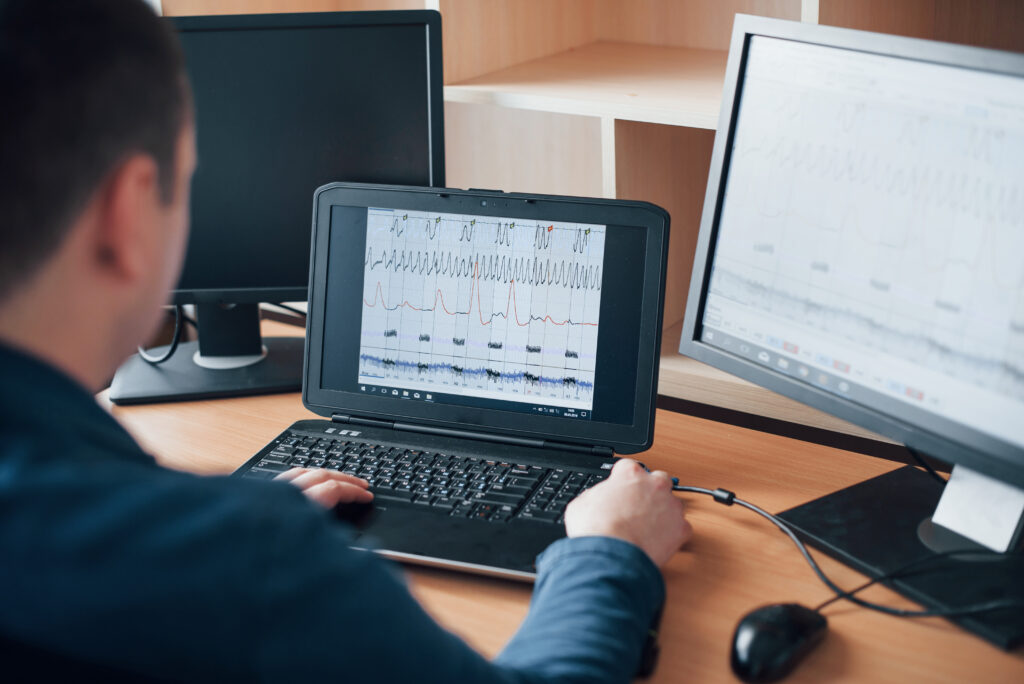
After the questions have been asked, the examiner shifts full attention to how the body responded throughout the session. They look at changes that appeared during certain moments and study how those reactions differ from steadier points. This stage is about noticing patterns, not judging answers.
The examiner reviews movements in breathing, pulse, and skin response to understand shifts in emotion or tension. These observations help form a clearer picture of how the person reacted during different parts of the test.
Reviewing the Results
With the help of the recorded responses, the examiner starts looking at how the body reacted throughout the session. The examiner checks for changes that appeared during different moments and note where reactions stayed steady. The goal is to properly understand the overall pattern rather than focus on a single point.
By viewing the responses as a whole, the examiner can see which parts of the test drew stronger shifts. This review helps prepare a clear and useful explanation for the final discussion.
Interpreting the Results
When the analysis is complete, the examiner begins interpreting the results by explaining which reactions stood out and how each one was understood during the review. They break down the signals in simple terms, showing when certain changes appeared and what those shifts may suggest. This step focuses on clarity, giving both parties an easy way to follow how the examiner reached each point.
By laying out every observation in an open and organized manner, the discussion becomes smoother and the test findings are easier to understand.
Lie detector tests can offer steady guidance in relationships when doubts or concerns about cheating create confusion or tension. They guide both partners through a steady process that highlights reactions in a calm, organized way. Instead of relying on guesses or repeated arguments, the test helps bring focus to the conversation and makes it easier to talk through doubts. The insights from the lie detector test can help couples address concerns openly and take steps toward rebuilding trust and understanding. Are you planning to take a lie detector test for cheating? Polygraph India is a trusted provider of professional infidelity polygraph tests in India, offering a confidential, accurate and reliable process that helps individuals gain clarity in sensitive situations.
Frequently Asked Questions
How long does a lie detector test take?
The duration of a lie detector test depends on the number of questions and the complexity of the situation. Most sessions, including preparation, baseline questions, and the main test, typically last between one and two hours, allowing enough time for accurate and thorough observation.
Are lie detector test results available immediately?
Some initial observations from a lie detector test may be shared immediately after the session. However, a full review of all recorded responses is conducted before the final interpretation. This careful analysis ensures that patterns are properly understood, and the results are accurate and reliable.
Does it hurt to take a lie detector test?
No, taking a lie detector test is completely painless. Sensors are placed on the body to record physiological signals. You may feel the straps or electrodes, but there’s no discomfort or invasive procedure involved during the test.
What kind of questions are asked in these tests?
Examiners ask a combination of simple, everyday questions and ones specific to the situation. These questions are designed to observe natural reactions, provide insight into emotions, and guide meaningful discussion without making anyone feel accused.
Can a lie detector test help resolve doubts in a relationship?
Yes. By showing how someone reacts to questions, the test can provide insight into emotions and concerns. It encourages open dialogue and helps both partners discuss issues calmly, creating a better chance to rebuild trust and understanding.
Is the process confidential?
Yes, polygraph tests are conducted in a completely private and confidential environment. All information collected during the session, including physiological responses as well as test results, is carefully handled. Examiners maintain strict privacy, ensuring that the details and outcomes are shared only with authorized individuals.
Can stress or nervousness affect the test?
Yes, natural stress or nervousness can influence body responses. Examiners compare responses to baseline questions so they can focus on reactions that stand out or are different from the norm.