Introduction
Returning to driving after a long break can be a significant step towards regaining your independence. Whether you stopped driving because of family responsibilities, work commitments, relocation or personal circumstances, getting comfortable behind the wheel again may take time. You might remember the basic controls but feel uncertain when dealing with busy intersections, unfamiliar routes or changing traffic conditions. Returning to driving after a long break requires patience, preparation and a willingness to refresh your practical skills. With the right approach, you can gradually rebuild your confidence and become comfortable travelling on Tasmania’s roads.

Why Does Driving Feel Different After Several Years Away?
Returning to driving after a long break can feel unfamiliar because your practical experience, road awareness and confidence may have changed during your time away. Although previous experience gives you a useful foundation, modern traffic conditions, updated road layouts and vehicle technology may require additional attention.
Think about someone who last drove regularly several years ago. They might remember how to operate a manual car but feel uncomfortable when approaching a busy roundabout or merging into fast-moving traffic. These situations require observation, timing and quick decision-making, which become easier with regular practice.
Vehicle technology has also developed. Reversing cameras, parking sensors, automatic braking systems and other driver assistance features are now common in many vehicles. Learning how these features work can make driving more comfortable, but drivers should never depend entirely on electronic assistance.
Tasmania has its own driving challenges. Hobart’s steep residential streets, narrow regional roads and changing weather conditions require careful vehicle control. Someone returning to driving after a long break should take time to understand these local conditions rather than assuming previous experience is enough.
It is also worth reviewing current road rules, speed limits, give-way requirements and road signs. Familiarising yourself with these details can help you make safer decisions when you return to regular driving.
How Can You Rebuild Your Confidence Behind the Wheel?
The most effective way to rebuild driving confidence is to start with familiar routes and gradually introduce more demanding road situations. Returning to driving after a long break becomes easier when you practise essential vehicle controls first and avoid putting yourself under unnecessary pressure.
Begin in a quiet area where traffic is limited. Practise starting, stopping, steering, braking, indicating and checking your mirrors. Pay attention to maintaining a safe following distance and positioning your vehicle correctly on the road.
Once you become comfortable with these activities, move towards residential streets and roads with moderate traffic. You can then practise more challenging situations, including roundabouts, lane changes, reversing and parking.
Consider a practical example in Hobart. A driver who has not driven for several years may feel nervous when stopping on a steep uphill street. Practising hill starts in a quieter location can help improve clutch control in a manual vehicle or accelerator management in an automatic. Repeating the exercise allows you to become more comfortable before dealing with traffic waiting behind you.
Avoid attempting long journeys immediately. Short trips during quieter traffic periods give you more opportunities to concentrate on your driving without feeling overwhelmed. As your skills improve, gradually introduce unfamiliar routes and different traffic conditions.
How Can Professional Driving Lessons Help You Return to the Road?
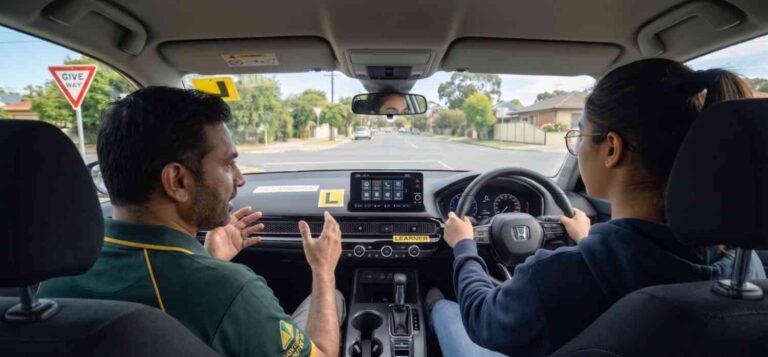
Professional driving lessons provide returning motorists with practical guidance, constructive feedback and an opportunity to refresh essential driving techniques. A qualified instructor can assess your current ability and recommend suitable practice rather than treating you as someone who has never driven before.
Returning to driving after a long break does not necessarily mean you need to repeat a complete beginner’s learning programme. You may already understand vehicle controls but need additional support with parallel parking, reversing, merging, roundabouts or judging safe gaps in traffic.
A professional instructor can identify these weaknesses and help you improve through supervised practice. They can also explain changes to road rules, demonstrate safer techniques and help you recognise potential hazards earlier.
Choosing an experienced driving school in Tasmania can make the learning process more structured. Look for an instructor who understands your situation and is willing to adapt each session to your confidence level.
Refresher driving lessons are particularly useful when you want to concentrate on specific skills. Some motorists may only need help with parking and busy intersections, while others may benefit from practising on unfamiliar roads and improving their overall observation.
Driving packages can also provide a convenient way to organise multiple sessions. Instead of trying to improve everything in one lesson, you can work towards individual goals over several practice sessions. This approach gives you time to apply what you learn and recognise your progress.
What Road Conditions Should You Prepare for in Tasmania?
Returning to driving after a long break also means becoming familiar with the road and weather conditions you may encounter throughout Tasmania. Different environments require different driving techniques, particularly when visibility, road grip or traffic conditions change.
Rain is an important consideration for Tasmanian motorists. Wet road surfaces can reduce tyre grip and increase stopping distances. When driving in heavy rain, reduce your speed, leave additional space between vehicles and avoid sudden braking or steering movements.
Winter conditions require further attention. Frost and icy patches can appear on shaded roads, bridges and elevated routes, particularly during early mornings. If you are unfamiliar with driving in these conditions, avoid rushing into challenging journeys. Check local conditions and practise appropriate techniques with professional guidance.
Wildlife is another consideration when travelling outside urban areas. Wallabies and other animals may cross rural roads unexpectedly, especially around dawn and dusk. Keep your attention on the road ahead, scan the roadside and maintain a speed that allows you to respond safely.
Tasmania also has winding roads and changing speed limits between towns. Returning motorists should avoid assuming that every road behaves like a familiar suburban street. Pay attention to warning signs, road markings and approaching bends.
Before driving independently, spend time practising in the conditions you are likely to encounter. Building experience across different environments can help you become a more adaptable and responsible motorist.
Conclusion
Returning to driving after a long break is a gradual process that requires patience, regular practice and a positive attitude. You do not need to regain all your confidence in a single day. Start with familiar routes, refresh your knowledge of road rules and seek professional guidance when you encounter difficulties. Whether you need a few refresher sessions or more structured driver training, taking the first step can make a meaningful difference. With consistent effort and careful preparation, you can regain your independence and enjoy safer journeys throughout Tasmania.