Introduction
Choosing between an automatic and manual vehicle is one of the first important decisions for new drivers. When researching automatic vs manual licence Tasmania, learners should understand how each licence affects their driving opportunities, learning experience and future transport requirements. While automatic vehicles offer a straightforward way to develop driving confidence, manual vehicles provide greater flexibility across different vehicle types. Understanding these differences before booking your first lesson can help you make a practical decision that supports your long-term driving goals.
What Is the Difference Between Automatic and Manual Licences in Tasmania?
The main difference between automatic and manual licences is the type of vehicle you are authorised to drive. An automatic-only licence condition generally restricts drivers to automatic vehicles, whereas a licence without this restriction allows them to drive both automatic and manual vehicles, subject to other applicable conditions.
Understanding automatic vs manual licence Tasmania requirements is particularly important before choosing your practical assessment vehicle. In Tasmania, passing a practical driving assessment in an automatic car generally results in an automatic-only condition, identified by the letter A on your licence.
Automatic vehicles manage gear changes without requiring drivers to operate a clutch pedal. This allows learners to concentrate on steering, braking, road positioning and observing surrounding traffic.
Manual vehicles require additional coordination between the clutch, accelerator and gear stick. Drivers must select appropriate gears according to their speed and road conditions. Although this takes more practice, learning manual transmission can provide access to a wider range of vehicles.
For beginners, understanding automatic vs manual licence Tasmania conditions early can prevent confusion when selecting a vehicle for lessons and assessments. It is worth discussing your preferred transmission with an accredited instructor before beginning practical training.
Why Are Automatic Driving Lessons a Popular Choice for Beginners?
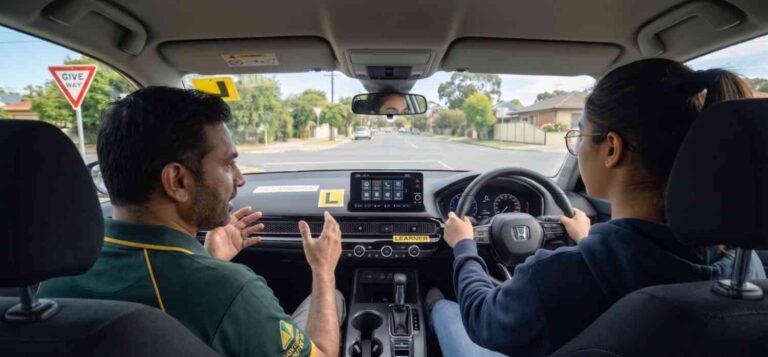
Automatic vehicles can make the early stages of learning less complicated because drivers do not need to coordinate clutch movements or change gears manually. This allows beginners to concentrate on traffic awareness, road rules, steering and developing safe driving habits.
For example, imagine a learner driving through Hobart during morning peak-hour traffic. Busy intersections, pedestrian crossings and frequent stopping can already demand considerable attention. An automatic car removes the additional task of repeatedly changing gears, allowing the learner to focus on surrounding vehicles and road conditions.
Steep residential streets around Battery Point provide another practical example. Beginners may find hill starts challenging when learning manual transmission. With an automatic vehicle, they can concentrate on maintaining control, checking their surroundings and moving safely.
This is one reason why many beginners researching automatic vs manual licence Tasmania consider starting with an automatic vehicle. It can provide a comfortable learning environment, particularly for people who feel nervous about driving.
However, automatic transmission does not eliminate the need for proper driver education. Learners must still develop parking techniques, understand roundabouts, practise lane changes and recognise potential hazards.
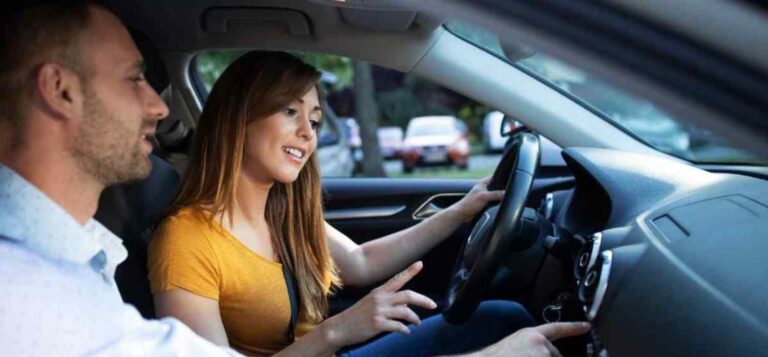
Professional automatic driving lessons can help learners build these abilities through structured practice. An instructor can introduce different road situations gradually, helping beginners become more confident before their practical assessment.
What Are the Advantages of Choosing a Manual Driving Licence?
A manual driving licence offers greater vehicle flexibility because drivers can generally operate both manual and automatic vehicles without an automatic-only restriction. This can be useful for people whose employment, travel or personal circumstances involve different types of vehicles.
When comparing automatic vs manual licence Tasmania, future employment requirements are worth considering. Certain construction, maintenance, transport and delivery-related roles may involve operating manual vehicles. Having the appropriate licence can provide additional options when these requirements arise.
Manual driving also develops a stronger understanding of vehicle operation. Learners become familiar with clutch control, gear selection, engine response and managing vehicle movement on slopes.
Consider driving along a steep road outside Hobart. A manual driver must select an appropriate gear, coordinate the clutch and maintain suitable speed. Developing these skills requires practice, but it can improve the driver’s understanding of vehicle behaviour.
The initial learning stage may involve stalling, rough gear changes or difficulty with hill starts. These experiences are common when developing manual driving skills. With patient instruction and regular practice, learners can gradually improve their coordination.
A driving school with suitable manual training can help beginners understand these techniques without rushing the learning process. Before enrolling, discuss your experience level and ask whether the available driving packages provide enough practical time to develop clutch control and road confidence.
How Can You Choose the Right Licence for Your Lifestyle and Future?
The best choice depends on your everyday transport requirements, preferred vehicle and future plans. If you expect to drive an automatic car regularly, an automatic licence may be sufficient. If you want to operate both transmission types, learning in a manual vehicle may be a more suitable option.
When evaluating automatic vs manual licence Tasmania, think about the vehicles you may need over the next few years rather than focusing only on your first car.
Tasmania also has varied driving environments. Travelling beyond Hobart may involve winding roads, steep inclines, narrow rural routes and changing weather conditions. During winter, wet or icy surfaces require additional caution. Wildlife can also appear unexpectedly near regional roads, particularly around dusk.
These situations highlight an important point: safe driving depends on observation, judgement and vehicle control, not simply the transmission type.
Before selecting a driving school, speak with an accredited instructor about your goals. Ask about lesson schedules, suitable driver training methods and the practical assessment process. You can also discuss whether automatic or manual driving lessons better match your experience and confidence.
If you choose an automatic assessment, remember that Tasmania applies an automatic-only licence condition. According to Transport Services Tasmania, this condition can generally be removed after it has been held for at least three years, excluding suspension or disqualification periods. If you have held it for less than three years, you will need to pass a driving assessment in a manual vehicle to remove the restriction.
Understanding this process makes automatic vs manual licence Tasmania an important decision for learners who may want to expand their driving options later. Checking the latest government requirements before booking an assessment is always worthwhile.
Conclusion
There is no single option that suits every learner when considering automatic vs manual licence Tasmania. Automatic vehicles offer a simpler introduction to driving, while manual licences provide greater flexibility for different vehicle requirements. Think about your everyday travel, employment opportunities and future plans before making a decision. Speaking with an accredited instructor and choosing suitable driver training can help you develop the confidence and practical skills needed to become a safe, responsible driver.