Few home problems escalate as fast—or as expensively—as a clogged or backed‑up drain. One day it’s a slow sink or gurgling toilet. The next, wastewater is backing up into your home, damaging floors, walls, and fixtures. Homeowners searching for professionals drain cleaning Sarasota services often discover that these emergencies rarely happen without warning. They build silently over time, fueled by grease, hair, soap residue, tree roots, and aging pipes until the system finally fails.
In Florida’s humid climate, drain systems work harder year‑round. Heavy water usage, older plumbing lines, and organic debris create the perfect conditions for recurring clogs. Understanding what causes these problems—and how to stop them early—can save thousands of dollars in repairs and protect your home from unnecessary disruption.

Why Drain Emergencies Happen More Often Than You Think
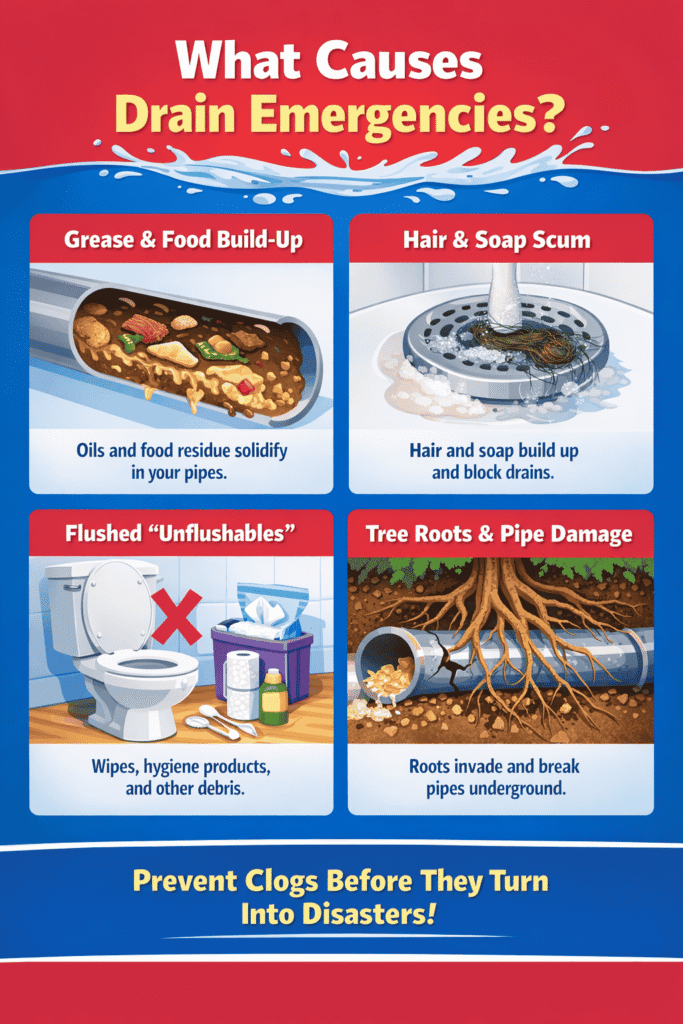
Most drain disasters don’t start with a single event. They’re the result of months—or even years—of buildup inside your pipes. Common contributors include:
- Grease and oil buildup from kitchens that hardens inside drain lines
- Hair and soap scum accumulating in bathroom drains
- Tree root intrusion seeking moisture through tiny pipe cracks
- Mineral scale from hard water narrowing pipe interiors
- Improper flushing of wipes, paper towels, and hygiene products
Over time, these materials restrict water flow. Pressure increases, wastewater slows, and eventually the system has nowhere to go but back up into your home. This is why chemical cleaners and plungers often provide only temporary relief—they don’t remove the full blockage.
Warning Signs You Should Never Ignore
Drain emergencies almost always send early signals. Catching them early can mean the difference between a routine service call and a major cleanup. Watch for these red flags:
- Slow drains in sinks, tubs, or showers
- Frequent clogs that return after DIY fixes
- Gurgling sounds from toilets or drains
- Foul odors coming from plumbing fixtures
- Water backing up in one fixture when another is used
If multiple drains are affected at once, the issue may be deeper in the main line. This is when professional drain cleaning becomes essential.
How Modern Drain Cleaning Solves the Root of the Problem
Today’s drain cleaning methods are far more advanced than old‑fashioned snaking alone. Professional services now focus on fully clearing pipes, not just punching a hole through the clog.
High‑Pressure Water Jetting
Hydro jetting uses powerful streams of water to scour the inside of pipes, removing grease, sludge, scale, and debris from pipe walls. This method restores full pipe diameter and is especially effective for recurring kitchen and main‑line clogs.
Professional Drain Augers
For tough blockages, commercial‑grade augers reach deep into the plumbing system to break apart compacted debris and root intrusions that standard tools can’t reach.
Video Camera Inspections
Modern drain cleaning often includes camera inspections that allow technicians to see exactly what’s happening inside your pipes. This technology identifies cracks, collapses, root growth, and buildup so the solution targets the real issue—not just the symptoms.
Why DIY Drain Fixes Often Make Things Worse
Store‑bought chemical cleaners may seem convenient, but they can damage pipes, especially older or PVC systems. These harsh chemicals rarely remove the full blockage and often push debris further down the line.
Repeated DIY attempts can also delay proper treatment, allowing problems to worsen until a full backup occurs. Professional drain cleaning removes buildup safely and thoroughly, helping prevent emergency situations.
The Cost of Ignoring Drain Problems
Unchecked drain issues can lead to:
- Water damage to flooring, drywall, and cabinetry
- Mold and mildew growth
- Sewage exposure and health risks
- Structural damage from hidden leaks
- Costly pipe replacements
Routine drain maintenance is significantly more affordable than emergency repairs or restoration after a flood.
Real‑World Results From Proactive Drain Cleaning
Homeowners who schedule professional drain cleaning report fewer emergencies, improved water flow, and longer pipe lifespan. In many cases, annual or semi‑annual cleanings prevent the buildup that causes repeat clogs, especially in high‑use kitchens and bathrooms.
Camera inspections frequently uncover small issues—like early root intrusion or minor cracks—that can be addressed before they turn into major failures. This proactive approach is becoming the industry standard for long‑term plumbing health.
How Often Should Drains Be Professionally Cleaned?
While every home is different, general guidelines include:
- Once per year for older homes
- Every 12–18 months for high‑use households
- Immediately if clogs are recurring
- Before buying or selling a home
Regular maintenance reduces emergency calls and keeps plumbing systems operating efficiently.
Choosing the Right Drain Cleaning Service
Not all drain cleaning is the same. Look for services that offer:
- Advanced equipment and diagnostics
- Clear explanations and upfront recommendations
- Solutions designed for long‑term results
- Preventive maintenance options
A professional approach ensures the entire drain system is cleaned, inspected, and protected.
Take Action Before the Next Backup Happens
Drain emergencies don’t wait for a convenient time. The good news is they’re highly preventable with the right care and professional attention. If you’re noticing slow drains, recurring clogs, or unpleasant odors, it’s time to act before the problem escalates.
Proactive drain cleaning today can save you from costly repairs, stressful emergencies, and major water damage tomorrow. With trusted professionals like Mr. Rooter Plumbing of Sarasota, homeowners can rely on proven expertise, advanced equipment, and preventative solutions designed to keep drains flowing safely and efficiently year-round.