A water heater is one of the most important appliances in any home. It provides the comfort of hot showers, the convenience of clean laundry, and the sanitation of properly washed dishes. But like any system, a water heater wears down over time. Issues such as sediment buildup, corrosion, or leaks can shorten its lifespan. Many homeowners facing these problems search for water heater repair in Fort Worth, not realizing that regular plumbing maintenance can help prevent breakdowns in the first place. With professional plumbing support, you can keep your water heater running smoothly for years while also saving money on energy and repair costs.
Why Professional Plumbing Service Matters
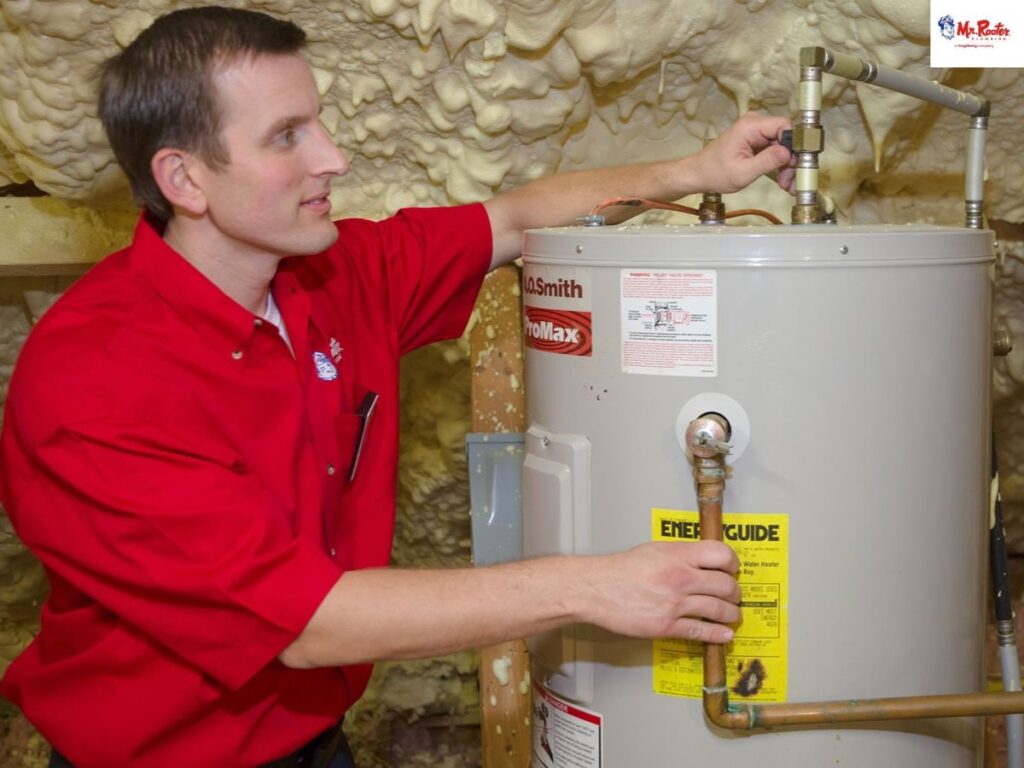
Water heaters are not just simple tanks that heat water. They are systems of valves, thermostats, heating elements, and safety devices that work together every day. Even one faulty part can affect the entire system. A licensed plumber ensures everything is functioning properly. Their expertise provides:
Early detection of hidden leaks that could lead to water damage
Flushing of mineral buildup to restore heating efficiency
Pressure and temperature regulation to prevent tank strain
Replacement of worn parts before they cause breakdowns
When left unchecked, small problems can grow into expensive repairs or full replacements. That is why professional attention is a must if you want your water heater to last its full service life.
Common Problems That Reduce Water Heater Lifespan
Many water heater issues are preventable if caught early. Below are the most common problems plumbers see in homes across Fort Worth:
1. Sediment and Mineral Buildup
Fort Worth water often carries minerals like calcium and magnesium. Over time, these settle at the bottom of the tank. Sediment forces the unit to use more energy to heat water, increases noise, and eventually damages the tank lining.
2. Corrosion and Rust
Corrosion is the enemy of any water heater. It often begins in small spots around fittings, joints, or inside the tank itself. Rust weakens the structure and eventually causes leaks that cannot be repaired.
3. Leaks Around the Tank
Even a slow drip should not be ignored. Small leaks often mean pressure problems or tank damage that will worsen without repair.
4. Malfunctioning Thermostat or Heating Element
If water is too hot, not hot enough, or runs out too quickly, the thermostat or heating element may be to blame. A plumber can test and replace these components easily.
5. Water Pressure Issues
Low or fluctuating water pressure strains both your pipes and the water heater. Addressing pressure problems early protects your plumbing system as a whole.
How Plumbing Maintenance Extends Lifespan
Regular plumbing care does more than fix problems when they appear. It actively prevents them. Here is how maintenance adds years to your water heater:
Flushing the tank removes sediment and restores efficiency.
Checking the anode rod prevents rust and corrosion inside the tank.
Testing the pressure relief valve ensures safe operation.
Inspecting pipes and connections stops leaks before they spread.
Adjusting thermostat settings keeps energy use efficient while protecting the system from overheating.
With these steps, water heaters that typically last 7–8 years without care can often reach 12–15 years with proper service.
Saving Money Through Better Efficiency
Heating water makes up about 18% of the average household’s energy bill. A neglected heater uses far more energy than it should. By having your water heater serviced regularly, you reduce wasted heat, lower monthly bills, and prevent costly repairs. Many homeowners also learn that regular water heater service can save you money on energy bills while extending the lifespan of their equipment, making plumbing care a smart financial decision.
DIY Maintenance vs. Professional Service
Homeowners can perform some basic maintenance, such as draining a few gallons of water from the tank each year or adjusting the thermostat. While these steps help, they do not replace a plumber’s expertise. Professionals use tools and testing methods to find problems the average homeowner cannot detect. For example, they can spot corrosion inside fittings or measure exact pressure levels to avoid future leaks. This detailed care is what makes professional service so valuable.
Signs It’s Time to Call a Plumber
Knowing when to bring in a professional can prevent damage. Call a plumber if you notice:
Water that looks rusty or discolored
Strange noises like banging or popping from the tank
A sudden drop in water temperature or pressure
Water pooling around the base of the heater
A unit that is more than 8 years old and showing problems
Early service can often save the unit. Waiting too long may mean replacement is the only option.
Choosing the Right Plumbing Service
Not all plumbing companies have the same level of expertise with water heaters. When looking for a service provider in Fort Worth, consider:
Are they licensed and insured?
Do they offer same-day or emergency service?
Do they provide upfront pricing without hidden fees?
Do they have experience with both tank and tankless water heaters?
For example, Mr. Rooter Plumbing of Fort Worth is trusted by many local homeowners for their professional water heater service and preventative maintenance programs designed to extend the life of your system.
Broader Benefits of Plumbing Care
While most people focus on the heater itself, plumbing maintenance also protects your overall system. Healthy pipes, joints, and pressure control ensure that your water heater is not working under unnecessary stress. In fact, regular plumbing inspections often reveal related issues like pipe corrosion or sewer concerns before they cause major disruptions.
Homeowners in Fort Worth also find that scheduling plumbing service together for water heaters, drains, and pipes saves time and prevents bigger household issues. This is why hiring a professional plumber provides more than just water heater care.
FAQ: Water Heater Lifespan and Plumbing
Q1: How long does a water heater last with professional maintenance?
A well-maintained water heater can last 12 to 15 years, compared to 7 to 8 years for neglected systems.
Q2: Can plumbing maintenance improve water heater efficiency?
Yes. Regular flushing and part replacements can improve efficiency by 20 to 25 percent, lowering utility bills.
Q3: What happens if I ignore small water heater issues?
Minor problems like leaks or rust can lead to tank failure, water damage, and costly replacements. Early service always saves money.
Q4: How often should I schedule water heater service?
Most plumbers recommend at least once a year. Homes with hard water may benefit from service every six months.
Q5: How do I know if repair or replacement is the better option?
If your heater is under 10 years old, repair often makes sense. If it is older or has recurring issues, replacement may be more cost-effective.