Why Regular Maintenance Matters for Your Home
Did you know that nearly 20% of homes in the United States rely on septic systems to manage wastewater, rather than city sewer lines? For homeowners, that means the responsibility for keeping the system healthy falls entirely on you. At Septic Blue of Charlotte, we work with homeowners every day who want peace of mind, fewer surprises, and a septic system that functions exactly as it should. That’s why septic cleaning in Charlotte is one of the most important services homeowners trust us with.
Septic systems are easy to forget because they’re underground, but when they’re ignored, problems surface fast—and they’re rarely cheap. In this guide, we’ll explain why regular septic cleaning is so important, how it protects your home, and how a simple maintenance routine can save you money and stress in the long run.
What Is Septic Cleaning?
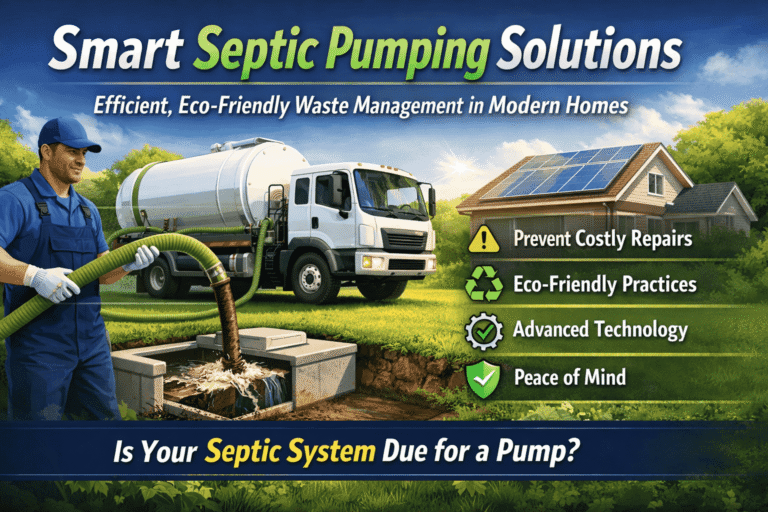
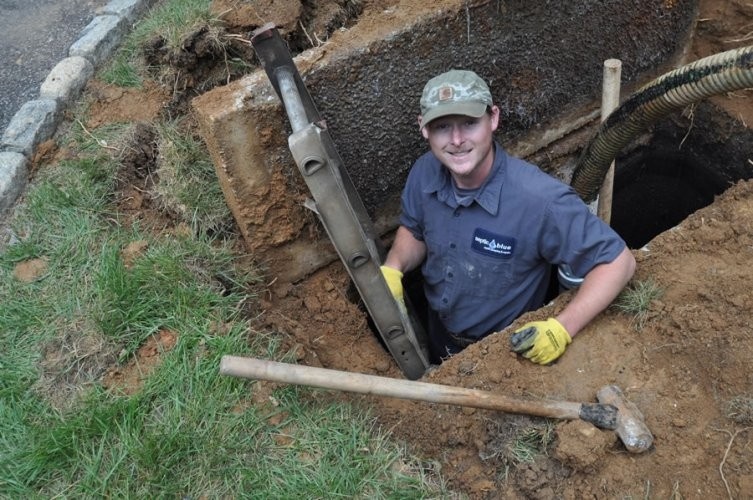
Septic cleaning, often called septic pumping, is the process of removing solid waste that builds up inside your septic tank over time. When wastewater leaves your home, heavier solids sink to the bottom of the tank, forming sludge, while lighter materials float to the top as scum. The liquid in the middle flows out into the drainfield, where the soil naturally filters it.
If sludge and scum aren’t removed regularly, they can overflow into the drainfield. Once that happens, the system can clog, fail, and require costly repairs. Regular septic cleaning keeps the tank balanced and the entire system working the way it was designed to.
Why Do Homeowners Run Into Septic Problems?
Most septic issues happen for one simple reason: lack of routine maintenance. Since septic tanks are buried underground, homeowners often don’t realize there’s a problem until drains slow down, toilets back up, or odors appear in the yard.
Unlike city sewer systems that are monitored by local utilities, septic systems depend on homeowners to schedule inspections and cleanings. When maintenance is skipped, small issues grow into major problems. Regular septic cleaning helps catch these issues early, before they turn into emergencies.
How Septic Blue of Charlotte Helps
At Septic Blue of Charlotte, we take the stress out of septic maintenance. Our professional cleaning and inspection services are designed to keep your system running smoothly year after year. We don’t just pump your tank—we help you understand your system, plan, and avoid unexpected breakdowns.
Now, let’s look at the top five benefits of regular septic cleaning for your home.
1. Extend the Life of Your Septic System
A well-maintained septic system can last 25 to 30 years—or even longer. But without regular cleaning, that lifespan can be cut in half.
When solid waste builds up in the tank, it can move into the drainfield and clog the soil. Once a drainfield fails, replacement can be expensive and disruptive. Regular septic cleaning removes excess solids before they cause damage, helping your system last as long as possible.
Think of septic cleaning like routine car maintenance. Just as oil changes protect your engine, septic cleaning protects the heart of your wastewater system.
2. Prevent Expensive Emergency Repairs
Emergency septic repairs are one of the most common reasons homeowners call us. Backed-up drains, sewage odors, or wastewater pooling in the yard often point to a tank that hasn’t been cleaned in years.
Routine septic cleaning costs far less than emergency repairs or full system replacement. By keeping up with maintenance, you reduce the risk of sudden failures that can disrupt your home and your budget.
Typical Cost Comparison
| Service Type | Estimated Cost |
| Routine septic cleaning | $300–$600 |
| Minor septic repair | $1,000–$2,000 |
| Drainfield replacement | $5,000–$15,000+ |
Regular cleaning is a small investment compared to the cost of fixing a neglected system.
3. Protect Your Yard and Property
Your septic system doesn’t just affect what happens inside your home—it also impacts your yard and landscaping. When a septic tank overfills, wastewater can surface in the yard, creating soggy patches, unpleasant smells, and even sinkholes.
Regular septic cleaning helps prevent these issues by keeping wastewater flowing where it should. A healthy septic system protects your lawn, garden, and overall property value.
Imagine pouring too much water into a sponge—it eventually spills out. Septic cleaning prevents your system from reaching that overflow point.
4. Protect Your Family’s Health and the Environment
A failing septic system can release harmful bacteria and contaminants into the soil and nearby groundwater. This can pose health risks to your family and impact local water sources.
Routine septic cleaning ensures wastewater is properly treated and filtered through the soil, reducing the risk of contamination. This is especially important for homes that rely on well water or live near lakes, streams, or other natural water sources.
By maintaining your septic system, you’re not just protecting your home—you’re helping protect the environment around you.
5. Maintain or Increase Your Home’s Value
If you ever plan to sell your home, a well-maintained septic system is a major advantage. Buyers and inspectors look closely at septic systems, and a history of regular cleaning shows that the system has been properly cared for.
Homes with neglected septic systems may face delays, repair demands, or lower offers during the selling process. Keeping records of septic cleaning and inspections helps protect your home’s value and makes future transactions smoother.
How Often Should Septic Cleaning Be Done?
For most homes, septic tanks should be cleaned every three to five years. However, the exact timing depends on several factors, including:
- Number of people in the household
- Size of the septic tank
- Daily water usage
- Use of garbage disposals
Homes with larger families or higher water usage may need more frequent cleaning. Annual inspections are also recommended to catch issues early.
The Cost of Skipping Maintenance
We’ve worked with homeowners who delayed septic cleaning for years because everything seemed fine. Eventually, drains slowed, odors appeared, and the drainfield failed. What could have been handled with routine maintenance turned into a costly repair.
Regular septic cleaning helps avoid these situations by addressing problems before they escalate.
Simple Tips to Care for Your Septic System
Between professional cleanings, homeowners can protect their septic systems by:
- Using water efficiently
- Avoiding flushing wipes or non-biodegradable items
- Limiting garbage disposal use
- Keeping heavy vehicles off the drainfield
- Directing surface water away from the system
These small habits can make a big difference in system performance.
Conclusion
Regular septic cleaning is one of the smartest ways to protect your home, your health, and your long-term investment. It keeps your system working properly, prevents expensive surprises, and gives you confidence that everything underground is under control.
At Septic Blue of Charlotte, we believe septic care should be simple, honest, and proactive. With regular inspections and cleaning, your septic system can quietly and reliably serve your home for decades.
(FAQ)
How do I know if my septic tank needs cleaning?
We often see slow drains, toilet backups, sewage smells, or soggy areas near the tank. Even if everything seems fine, we check the system regularly to know when septic cleaning is needed.
How often should septic cleaning be scheduled?
We recommend septic cleaning every three to five years for most homes. The timing depends on tank size, household size, and daily water use. Regular inspections help us schedule cleaning before problems start.
Is septic cleaning messy or disruptive?
Septic cleaning is not messy or disruptive. We handle the tank safely outdoors, remove waste professionally, and restore the area, keeping your home and yard clean throughout the process.
Can I use additives instead of septic cleaning?
No, additives can’t replace septic cleaning. We remove solids physically, which is essential to prevent backups and damage. Additives alone won’t keep your system working properly.
What happens if I delay septic cleaning too long?
Delaying septic cleaning can cause backups, foul odors, soggy yards, and drainfield damage. We recommend regular cleaning to avoid costly repairs and keep your system running smoothly.