A beautiful jamawar pashmina shawl carries a long history of craft, beauty, and patience. Even today, these shawls are loved for their rich designs and soft feel. When you buy or wear one, you’re not just choosing an accessory—you’re carrying a part of ancient art. Whether you find a piece in stores or see a genuine jamawar shawl online, you will notice how each one looks different, almost like a painting made with threads.
Over the years, Kashmiri jamawar shawls have become a part of modern style while still keeping their traditional roots. This blend of old and new is what makes Jamawar special in today’s world.
The Ancient Roots of Jamawar Weaving
Jamawar weaving began centuries ago in Kashmir and nearby regions. Artisans would sit for hours, weaving patterns inspired by nature, flowers, and royal designs. These shawls were once worn by kings and noble families, making them a symbol of culture and pride.
- The weaving style goes back hundreds of years.
- Designs were often passed down from one family to another.
- Patterns were inspired by nature: leaves, vines, and flowers.
- Kings and queens treasured Jamawar as a sign of luxury.
What Makes Jamawar Shawls Unique
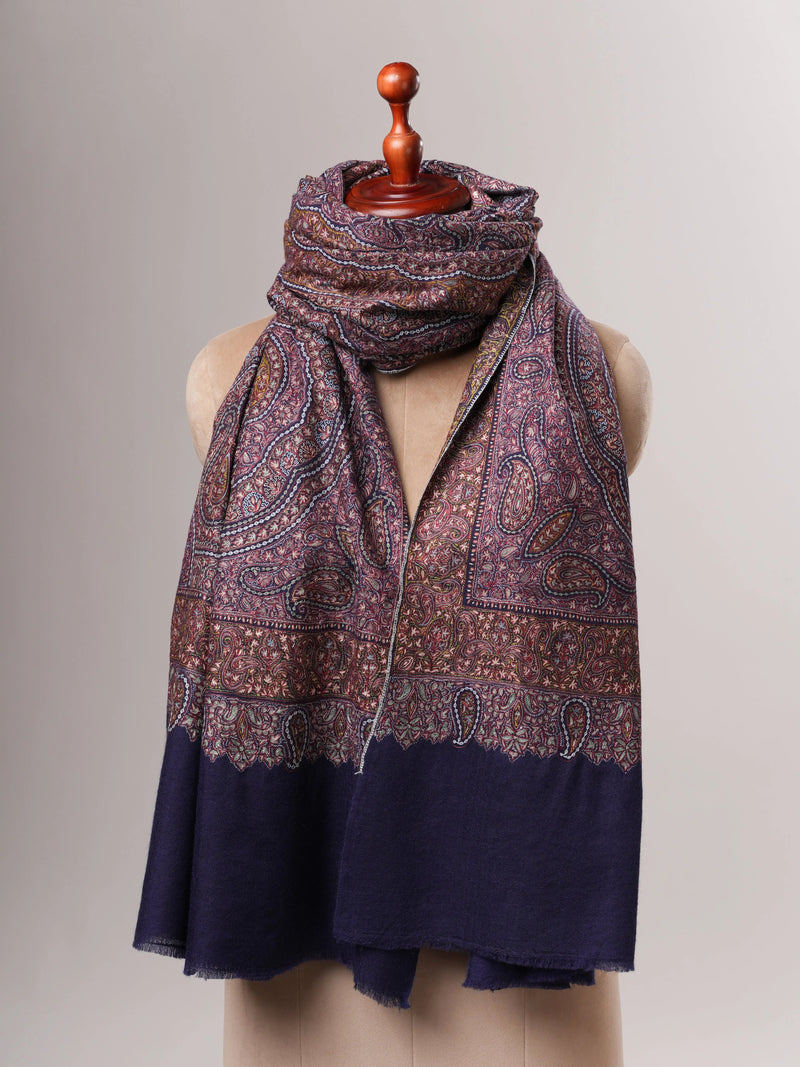
A jamawar shawl is known for its detailed patterns. The designs do not sit on top of the fabric—they are woven into it, thread by thread. This makes each shawl long-lasting and rich in detail. When you touch a real Jamawar piece, you feel the smooth finish and the fine work that has gone into it.
- Designs are woven, not printed.
- Patterns often cover the whole shawl, giving it a full look.
- Colors blend beautifully to create a soft visual effect.
- Every shawl is slightly different, even if the design looks similar.
How Jamawar Fits into Today’s Fashion
Even though Jamawar has ancient origins, it fits easily into modern wardrobes. People wear them with winter dresses, formal outfits, ethnic clothing, and even western wear. The mix of old art and modern style is what makes these shawls so popular today.
- Looks good with sarees, long coats, or simple dresses.
- Works for weddings, festivals, and everyday winter wear.
- Adds color and beauty to a basic outfit.
- Light enough for indoor events but warm for cold days.
The Craft Behind Kashmiri Jamawar Shawls
The making of Kashmiri jamawar shawls takes time, patience, and skill. Artisans work for months using small tools and fine threads. Because the patterns are woven directly into the fabric, each shawl takes many slow steps to complete.
- Weavers follow hand-drawn designs during weaving.
- Every section of the pattern is built slowly with colored threads.
- Shawls can take months or years to finish.
- A real Jamawar is made only by trained artisans.
Why People Still Choose Jamawar Today
Even with so many modern fabrics and styles, Jamawar continues to stay loved across generations. Many people choose it because it connects them to culture while still fitting into daily wear. Others value the warmth and softness of Jamawar pieces.
- Carries cultural meaning and history.
- Works well with both modern and traditional outfits.
- Stays warm without feeling heavy.
- Makes a thoughtful and long-lasting gift.
Jamawar Shawls as Family Heirlooms
Many families pass down Jamawar shawls from one generation to another. These shawls stay strong and beautiful for years if stored well. Because they are handwoven and full of detail, each one feels like a memory or story passed along.
- Made to last for decades.
- Holds emotional value across generations.
- Designs stay beautiful even as trends change.
- Becomes part of family traditions.
How Jamawar Supports Local Artisans
When someone buys a Jamawar shawl, they help keep old arts alive. Many artisans in Kashmir depend on weaving for their livelihood. Choosing handmade shawls supports their skill and keeps the craft moving forward.
- Helps families who have woven for generations.
- Keeps traditional skills from fading.
- Encourages fair wages for hard work.
- Protects the cultural identity of the region.
Identifying a Real Jamawar Shawl
Real Jamawar is known for its woven patterns, soft feel, and detailed work. When looking at a piece—whether in a store or on a jamawar shawl online listing—you can spot certain signs that show it is real and not a copy.
- Patterns appear clear and smooth on both sides.
- Fabric feels light and soft when draped.
- No printed designs—everything is woven.
- Slight irregularities show handwork, not machine work.
Jamawar in Modern Winter Wardrobes
Today, Jamawar is more than just a traditional piece. It has become a winter wardrobe staple for many people. It adds color and charm to simple coats or sweaters. Even those who do not wear ethnic clothing often choose a Jamawar piece for winter weddings or festive nights.
- Easy to pair with Western winter outfits.
- Works well for evening functions.
- Adds style without much effort.
- Gives warmth during the cold months.
Jamawar Shawls in Global Fashion
Fashion lovers from around the world now appreciate Jamawar weaving. Designers include Jamawar-inspired fabrics in clothing, scarves, and even home décor. Because the patterns are unique, Jamawar gives a special look that stands out anywhere in the world.
- Seen in international fashion shows.
- Loved by collectors of rare textiles.
- Used as wraps, scarves, or stoles.
- Admired for its rich patterns and colors.
Caring for a Jamawar Shawl
A Jamawar piece needs gentle care to stay beautiful. Since the fabric is fine, it should not be washed harshly or exposed to moisture for too long. With proper care, you can enjoy your shawl for many years.
- Dry clean only—avoid machine washing.
- Store in a cotton or muslin bag.
- Keep away from direct sunlight for long periods.
- Fold softly without sharp creases.
Conclusion
From ancient royal courts to today’s modern closets, Jamawar weaving continues to keep its place through its beauty, warmth, and history. Whether someone chooses a jamawar pashmina shawl or looks for handmade pieces online, they are choosing art that has lived for centuries. To explore real pieces made with care and tradition, collections from Shahkaar offer the timeless charm of jamawar shawls, keeping ancient craft alive in every modern wardrobe.
FAQs
1. Are Jamawar shawls suitable for daily wear or only for special occasions?
Jamawar shawls are often worn for weddings, festivals, and formal events because of their rich patterns and long weaving process. However, many people also style them casually with winter outfits to add a royal touch.
2. What makes Jamawar shawls different from regular wool shawls?
A Jamawar shawl is known for its detailed designs woven thread by thread. It can take months or even years to make. Regular wool shawls are usually plain or printed, while Jamawar has artwork woven into the fabric.
3. How do I check the quality of a Jamawar shawl before buying?
Look closely at the back of the shawl. In original pieces, the pattern appears clearly on both sides because it is woven, not printed. The fabric also feels soft and warm when worn.
4. Can Jamawar shawls be passed down to the next generation?
Yes, many families keep Jamawar shawls as heirlooms. With proper care, they can last for decades and still look beautiful. They are often gifted during weddings and festivals for this reason.
5. How should I wash and store a Jamawar shawl?
Avoid washing it at home. Dry clean it when needed. Store it wrapped in a soft cotton cloth and keep away from moisture and perfumes to protect the fabric and threads.